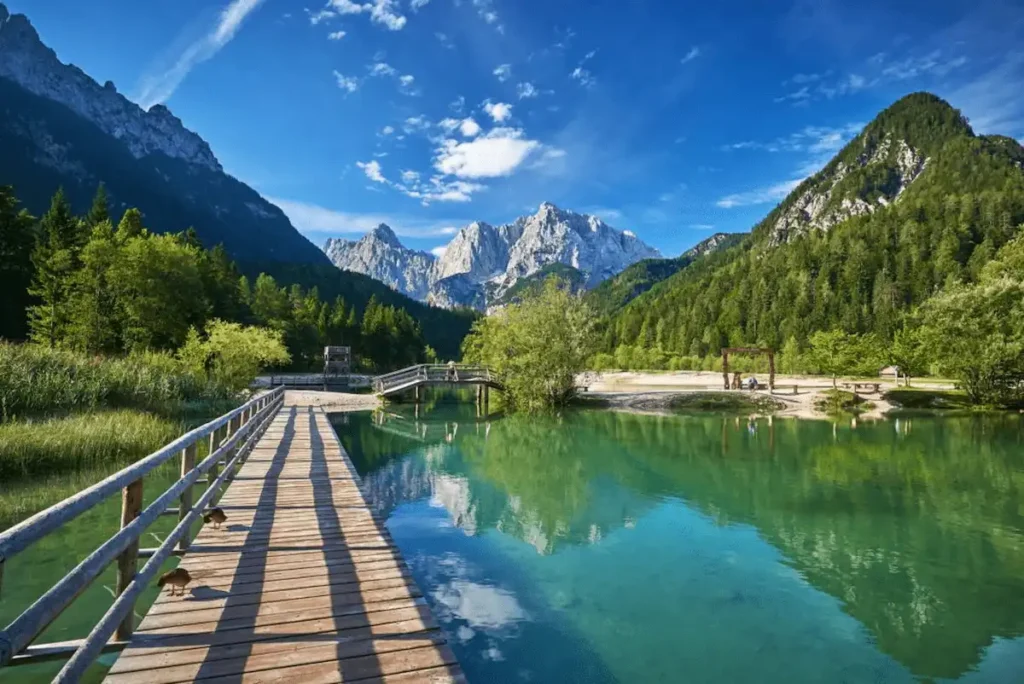
Choosing the best time to visit Slovenia isn’t about finding a single perfect month; it’s about aligning your travel philosophy with the country’s distinct, dramatic seasonal shifts. Because Slovenia is compressed between the high-alpine Julian peaks, the rolling wine hills of the Karst, and the sparkling Adriatic coast, the landscape transforms completely every few months.
As a local, I see tourists fall into the same traps every year—flocking to the exact same crowded lakeside paths in the blistering heat of August or missing out on the spectacular, quiet shoulder seasons when the countryside truly breathes. Whether you are planning around the high-value 3, 5, or 7 Day Itineraries, this master guide breaks down Slovenia season by season and month by month. You will discover where to go, what to eat, which cultural festivals to catch, and how to select the absolute best regional stays to match the weather.
Spring (April to June): The Photographer’s & Hiker’s Paradise
Spring is arguably the most beautiful time to experience Slovenia. This is the transitional sweet spot where the high mountain snows melt to feed thundering waterfalls, the valley orchards burst into vibrant blossoms, and the tourist crowds are virtually nonexistent.
Monthly Breakdown
- April (Low Season): The landscape wakes up with explosions of white snowdrops and wild cherry blossoms. The weather is crisp and unpredictable (15°C averages), making it an incredibly affordable month to score premium accommodations without booking months in advance.
- May (Shoulder Season): Weather is practically flawless for outdoor adventure, ranging between 15°C and 25°C. Rivers like the Soča are at their absolute peak flow, showing off their otherworldly turquoise hues.
- June (Early Peak): The sun shines for 7 to 8 hours a day, the lakes warm up for swimming, and school holidays haven’t fully clogged the highways. Prices begin to creep up, but the energy in the country is electric.
Where to Go & What to Do
Spring is the prime time to explore the historic capital and the alpine valleys. Spend early mornings hiking up to the Ojstrica or Mala Osojnica viewpoints to watch the morning mist burn off the water around Lake Bled. It is also the finest window for cycling through the rolling green hills of the Goriška Brda and Vipava Valley wine regions before the summer heat makes physical exertion exhausting.
- Top Spring Festivals: Don’t miss the famous Čipkarski festival (Lace Festival) in Idrija in June, celebrating centuries of delicate, hand-woven bobbin lace artistry. In the capital, Friday afternoons from March onward host Odprta Kuhna (Open Kitchen), an open-air food market where the country’s top chefs cook street-side.
- What to Eat: Spring menus shift heavily toward fresh, wild ingredients. Ask for dishes featuring wild asparagus (divji šparglji), ramsons (wild garlic), and fresh trout caught straight from the alpine streams.
Best Stays for Spring
Because spring mornings are crisp and the evenings are cool, it is the perfect time to base yourself in boutique city properties or luxurious green valleys:
- Ljubljana Heritage: Immerse yourself in old-world charm at the Antiq Palace or the meticulously restored April1550 Boutique Hotel, both tucked into historic pedestrian lanes. For absolute luxury right on the riverbank, lock in Zlata Ladjica Boutique Hotel or the exceptional Hotel Heritage.
- Ljubljana Modern Grandeur: If you prefer contemporary skyline views, opt for the towering InterContinental Ljubljana, the historic Grand Hotel Union Eurostars, or the sleek, central Occidental Ljubljana.
- Eco Retreats: Experience the alpine awakening at Boutique Hotel Vila Planinka in Jezersko, where sustainability meets raw luxury, or relax near the capital at Eko Terme Snovik.
Summer (July to August): Peak Energy & Alpine Escapes
Summer is Slovenia’s absolute high-tourist season. It is the hottest, sunniest time of the year, with temperatures routinely soaring past 30°C. While it is the most expensive time to visit, it is also when the entire country embraces an outdoor, festival-driven lifestyle.
Monthly Breakdown
- July (High Season): Absolute peak weather for high-altitude mountaineering. The alpine air is cool, the coastal waters are beautifully warm, and accommodation prices hit their annual maximums.
- August (Peak Crowd Season): The busiest month of the year. Central landmarks are packed, and parking spots near natural attractions require an early morning strategy.
Local Crowd Evasion Tip: To avoid the suffocating summer crowds and steep prices at Lake Bled, skip the standard tourist routes and head to the rugged, pristine waters of Lake Bohinj or follow the hidden loops from our 5 Day Itinerary, swimming in the secret natural pools along the Idrijca River at Bela.
Where to Go & What to Do
Summer belongs to the high peaks of Triglav National Park and the historic Adriatic coast. It is the only season where you can comfortably swim in the deep alpine lakes, raft down the rushing Soča River rapids, or tackle the multi-day mountain hut-to-hut trails.
- Top Summer Festivals: Head to the coast to experience the authentic Mediterranean lifestyle, or venture into the mountains for the Most na Soči Week, featuring water sports, local night markets, and live music on the riverbanks. In Velenje, the lakefront plazas come alive with massive open-air summer concerts.
- What to Eat: Cool down with a traditional platter of local cheeses, air-dried Kraški pršut (Karst Prosciutto), and a crisp glass of white Malvazija wine on a riverside terrace.
Best Stays for Summer
Summer is the ultimate season to embrace luxury glamping, coastal boutique properties, or working farm retreats:
- Luxury Glamping & Eco Resorts: Sleep in style at the world-renowned Garden Village Bled for more information or head into the vineyards to experience Theodosius Forest Village in the Vipava Valley. For a sweet twist, check out the unique Chocolate Village by the River in Maribor.
- Slovenian Coastal Towns: Dive into our master breakdown of the four distinct coastal gems. Stay in car-free, romantic Piran for historic Venetian alleys, head to Portorož for sandy beaches and luxury resort hotels, choose Izola for an authentic local fishing marina vibe, or explore Koper for raw medieval history. Use verified coastal posts to find the top boutique stays for each unique town.
- Elite Luxury Villas: For ultimate privacy with your own pool and gourmet setups, book a stay at Vila Robida & SPA in Črni Kal, or secure the gorgeous Casa Oasa nestled in the hills near Koper.
- Authentic Farm Stays: Connect with local traditions at Tourist Farm Mulej in Bled or the beautiful riverside Tourist Farm Zelinc near Cerkno at Idrijca river.
Autumn (September to October): Wine Harvests & Golden Leaves
Autumn is the local insider’s favorite season. As the intense summer heat breaks, the landscape transitions into a staggering display of deep gold, crimson, and copper hues that easily rival New England.
Monthly Breakdown
- September (The Perfect Shoulder Month): Daytime temperatures hover beautifully around 20°C. The heavy summer crowds evaporate overnight, and the alpine lakes remain warm enough for a final, refreshing swim. Prices drop significantly.
- October (Low Season Transition): The foliage hits its breathtaking peak mid-to-late month. It is the absolute prime time to drive, hike, or bike the iconic Vršič Pass, watching the larch forests turn neon gold against the limestone walls.
Where to Go & What to Do
Autumn belongs completely to the wine regions: Vipava Valley, Goriška Brda, and Dolenjska. This is the season of the grape harvest, where the vineyards are buzzing with activity and local cellars throw open their doors.
- Top Autumn Festivals: November 11th brings St. Martin’s Day (Martinovanje), a massive, week-long nationwide festival celebrating the exact moment grape juice officially turns into new wine.
- What to Eat: This is the heaviest, richest culinary season. Indulge in traditional Bograč (a thick, three-meat cauldron goulash originating from Prekmurje), savory Idrijski žlikrofi (delicate, hat-shaped potato dumplings served with a rich mutton sauce), or roast duck served with mlinci (baked flatbread tatters soaked in roasting juices).
Best Stays for Autumn
There is nothing quite like sleeping inside a historic castle or a private vineyard estate as the autumn mist rolls over the valleys:
- The Vineyard Stays & Wine Hotels: Wake up surrounded by golden vines at the historic Winery Žorž or the boutique Petrič Winery in Vipava. In Goriška Brda, lock in the majestic Gredič or the family-run Posestvo Ščurek. For an unforgettable coastal valley experience, stay at the Wine Paradise Glamping in Marezige near Izola, or enjoy historic luxury at Vila Podvin in Radovljica.
- Grand Castle Stays: Experience real medieval majesty at Grad Otočec (a stunning water castle on a river island in Dolenjska), the remote Vinica Castle in Bela Krajina, the elegant Grad Strmol in Gorenjska, or the historic Mokrice Castle tucked into the rolling hills of Posavje.
- Country Farm Stays: Cozy up by the fire at Domačija Šeruga near Novo Mesto for an elite, slow-food countryside experience.
Winter (November to March): Alpine Fairytales & Thermal Escapes
Winter turns Slovenia into a quiet, snow-covered fairytale land. Outside of the ski resorts, this is the absolute lowest season for prices, meaning you can enjoy luxury wellness properties and historic centers for a fraction of the summer rates.
Monthly Breakdown
- November & December (The Festive Glow): November is dark and rainy, but December completely transforms the country into “Happy December.” The historic centers are draped in elaborate light displays, and open-air fires warm up the Christmas markets.
- January & February (Peak Ski Season): The coldest, crispest months of the year. The mountains are buried under heavy snowpacks, and the country’s world-class ski infrastructure runs at maximum capacity.
- March (Winter-to-Spring Transition): The lowland snow begins to melt, the first wildflowers peek through the earth, and rainfall hits its annual minimum, making it a quiet, beautiful time for crowd-free valley hiking.
Where to Go & What to Do
Winter is the season for world-class skiing and deep thermal relaxation. It is also the perfect time to visit the rare phenomenon of the disappearing Karst lakes (like Lake Cerknica), which fill up with water over the winter and freeze over completely, turning into massive, natural open-air ice-skating rinks.
- Top Winter Festivals: Experience the ancient, pagan carnival celebrations of Pustovanje in Cerknica, where massive, traditional masks and puppets parade through the streets to scare away the winter cold.
- What to Eat: Warm up after a day on the slopes with a piping hot slice of Prekmurska gibanica (a rich, layered pastry cake stuffed with poppy seeds, walnuts, apples, and cottage cheese).
Best Stays for Winter
When the winter cold sets in, focus your planning entirely around premium ski lodges, iconic lakeside winter hotels, or world-renowned thermal spa resorts:
- Lakeside Winter Icons: Watch the snow fall over the lake from the legendary Grand Hotel Toplice or the historic Vila Bled. For high-quality, comfortable family setups, check out Hotel Kompas or Garni Hotel Savica. Alternatively, soak in the historic, winter-warmed rooms of Hotel Triglav Bled.
- Top Ski Resorts & Alpine Lodges: Access the best slopes with our dedicated ski guides:
- Kranjska Gora: Book cozy mountain chalets and premier alpine hotels right at the base of the Julian peaks.
- Vogel (Bohinj): Stay in high-altitude apartments and snow-draped chalets looking out over Lake Bohinj.
- Mariborsko Pohorje: Secure excellent ski hotels right on the longest night-skiing slope in Europe.
- Hotels Krvavec & Ski Lodges Rogla: Choose from the best high-altitude ski hotels and traditional wood lodges tucked straight into the pine forests.
- Cerkno: Base yourself in premium local stays near the country’s most modern, family-friendly ski property.
- World-Class Thermal Spa Resorts: Escape the cold completely inside the immense wellness centers of Rogaška Slatina (famous for its magnesium-rich mineral water), the futuristic, award-winning wellness architecture of Terme Olimia, the massive thermal water parks of Terme 3000, or the historic, Roman-style stone baths of Rimske Terme. Browse our dedicated spa posts to cross-compare the unique medical and relaxation properties of each resort!
Summary: Which Season Fits Your Travel Style?
| Season | Best For | Weather Profile | Crowd Levels | Price Profile |
|---|---|---|---|---|
| Spring (Apr–Jun) | Waterfalls, cherry blossoms, photography, crowd-free hiking | Crisp to warm (15°C–25°C) | Low to Moderate | Very Budget-Friendly |
| Summer (Jul–Aug) | High-alpine peaks, lake swimming, rafting, coastal nightlife | Hot & sunny (30°C+) | Peak Crowds | Highest Annual Rates |
| Autumn (Sep–Oct) | Wine harvest, golden foliage, photography, local food | Cool & comfortable (~20°C) | Moderate to Low | Great Shoulder Values |
| Winter (Nov–Mar) | Skiing, Christmas markets, frozen lakes, thermal spa resorts | Cold & snowy (0°C averages) | Peak in Ski Hubs only | Lowest Base Rates |
FAQ: Best Time to Visit Slovenia
What is the absolute best time to visit Slovenia?
The best time to visit Slovenia is May, June, September, and early October. These months offer ideal temperatures, lower tourist crowds, better hotel prices, and excellent conditions for hiking, city exploration, wine tasting, and road trips.
Is summer the best season for visiting Slovenia?
Summer is excellent for swimming, rafting, mountain hiking, and Slovenia’s coast, but it is also the busiest and most expensive season. July and August bring heavy crowds to Lake Bled, Bohinj, and coastal towns.
When is Slovenia cheapest to visit?
The cheapest months to visit Slovenia are November, March, and April. Outside ski hubs and major holidays, accommodation prices drop significantly while major attractions remain accessible.
What is the best month to visit Lake Bled?
September is often considered the best month for Lake Bled. The water is still warm enough for swimming, crowds are much smaller than summer, and the weather remains sunny and pleasant.
Is Slovenia worth visiting in winter?
Yes. Winter transforms Slovenia into a snowy alpine destination with ski resorts, Christmas markets, thermal spas, frozen lakes, and lower luxury hotel rates outside peak ski zones.
When should I visit Slovenia for wine regions?
September and October are ideal for Slovenia’s wine regions like Vipava Valley and Goriška Brda, when harvest season creates stunning vineyard scenery and local wineries host tastings and festivals.
How many days do you need in Slovenia?
A 3-day itinerary covers Ljubljana, Lake Bled, and Postojna Cave. Five days allow hidden gems like Vipava and Idrija, while 7 days provide a full Slovenia loop including mountains, coast, caves, and wine country.
Locking In Your Perfect Slovenian Season
Slovenia is truly a spectacular 365-day destination, but the trick is matching your vacation goals to the right seasonal shift. If you want blazing sun, swimming in warm coastal waters, and high-altitude mountain hiking, brave the crowds and book your stay for July or August. However, if you prefer quiet trails, lower room rates, and stunning photography landscapes, follow the locals’ lead and book your trip during the magnificent shoulder windows of May, June, or September.
No matter which month you choose as your best time to visit Slovenia, make sure to pack a solid pair of walking shoes, keep an open mind for regional culinary surprises like žlikrofi or gibanica, and prepare to experience one of Europe’s greenest gems.
For more curated itineraries and travel insights, visit Your Luxury Guide. For official travel information and destination updates, visit Slovenia tourism.