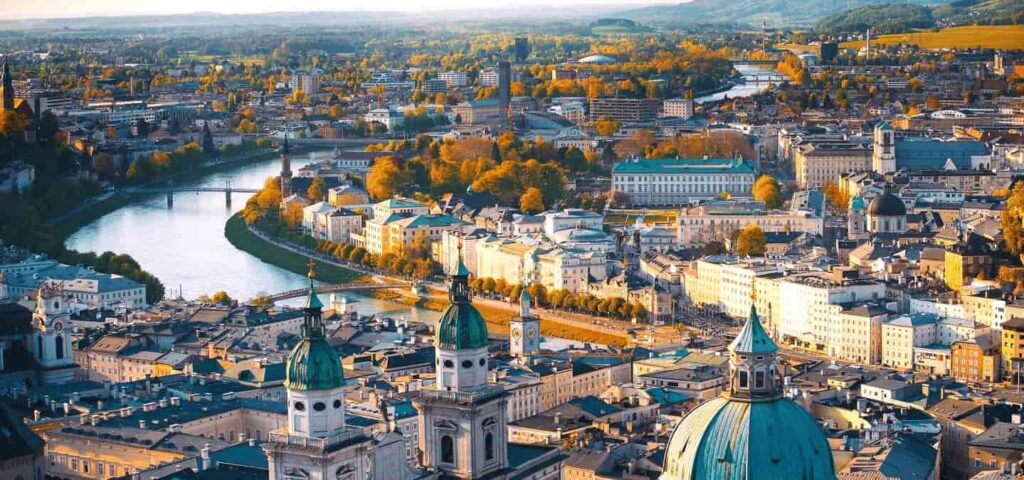
Austria’s luxury hospitality divides into two distinct worlds—Vienna vs Tyrol luxury hotels represent fundamentally different approaches to indulgence. Vienna‘s Ringstrasse palaces whisper Habsburg history through marble corridors and ballroom ceilings, while Tyrol‘s alpine lodges wrap you in timber warmth against snow-dusted peaks. I’ve watched sunrise from both a Ringstrasse suite overlooking the Opera House and a Kitzbühel chalet perched above cloud-line—each spectacular, neither interchangeable.
This comparison reveals which Austrian luxury experience matches your travel priorities, from cultural immersion to ski-in access, helping you choose between imperial grandeur and mountain serenity.
Austria’s luxury landscape spans everything from UNESCO World Heritage city centers to exclusive alpine villages—discover our comprehensive Best luxury hotels in Austria guide for the complete picture of Austrian hospitality excellence.
🎭 The Tale of Two Austrian Luxuries: Culture vs Mountains
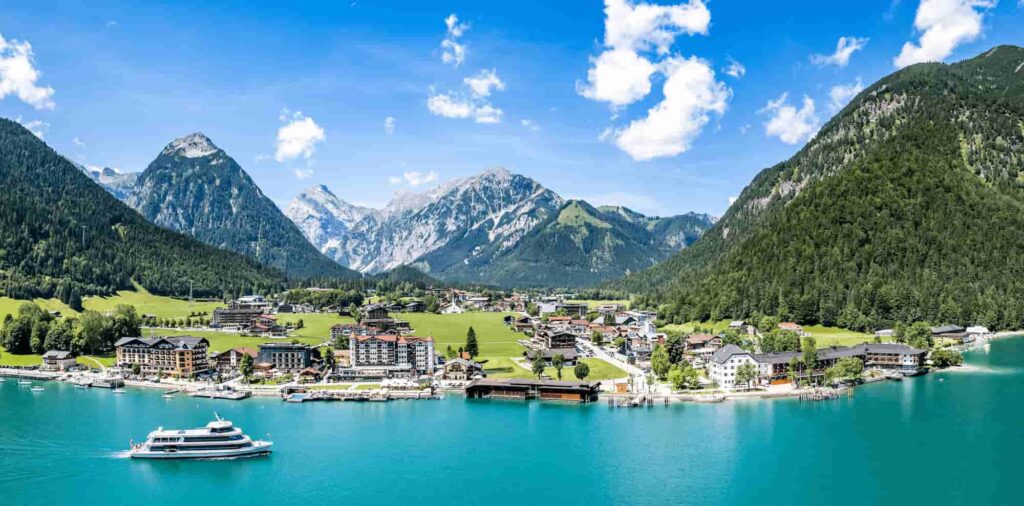
Vienna vs Tyrol luxury hotels represent Austria’s split personality—imperial heritage versus alpine adventure, urban sophistication versus mountain serenity. Vienna concentrates its luxury within the Ringstrasse’s gilded orbit, where 5-star hotels occupy former palaces and embassies, placing guests within walking distance of the Vienna State Opera, Hofburg Palace, and Kunsthistorisches Museum. The city’s luxury rhythm follows cultural seasons—opera premieres in September, Christmas markets in December, spring horse shows at the Spanish Riding School—with hotels orchestrating private tours, backstage access, and pre-performance champagne rituals.
Tyrol scatters its luxury across alpine valleys, from Kitzbühel’s legendary Hahnenkamm downhill to Zillertal’s glacier terrain, where accommodations prioritize ski-in convenience, mountain-view wellness sanctuaries, and après-ski traditions passed down through generations.
The regional contrast defines everything: Vienna’s luxury lives in historical detail and metropolitan energy, while Tyrol’s unfolds through seasonal rhythms and nature’s proximity. Both deliver impeccable Austrian service standards, yet the experience feels worlds apart—one measures memories in cultural moments, the other in vertical meters conquered.
🏛️ Vienna: Imperial Elegance Meets Urban Sophistication
Vienna’s luxury hotels occupy repurposed palaces along the Ringstrasse, where 19th-century architecture houses contemporary five-star service. The Innere Stadt (Old Town) concentrates most prestigious addresses within walking distance of the Opera House, St. Stephen’s Cathedral, and Hofburg Palace. River-facing properties along the Danube Canal offer modern alternatives with waterfront terraces and panoramic skylines.
Vienna excels at cultural luxury—your hotel doubles as a gateway to world-class museums, concert halls, and coffeehouses. Evening entertainment happens steps from your doorstep, whether Staatsoper performances or late-night wine bars in historic cellars.
For travelers prioritizing art, music, and architectural heritage, Vienna delivers concentrated cultural immersion. December’s Christmas markets and September’s opera season bookend peak luxury travel periods, when advance reservations become essential. Our Best luxury Hotels in Vienna guide details the top imperial-era properties where Habsburg history meets modern comfort.
Summer brings rooftop pool season—Vienna’s warm months (June-August) transform penthouse terraces into urban oases with Ringstrasse views. The Luxury River View Hotels in Vienna Danube Canal post explores waterfront alternatives away from tourist-heavy Old Town, while couples seeking intimate escapes should consult our Adults-only Rooftop Spa Suites Vienna old Town guide for properties blending privacy with central location.
Vienna’s luxury scene rewards extended stays—three nights barely scratches the surface of museum collections, coffeehouse culture, and palace interiors that demand slow appreciation rather than rushed checkboxes.
⛷️ Tyrol: Alpine Majesty and Mountain Traditions
Tyrol’s luxury accommodations scatter across iconic ski villages like Kitzbühel, St. Anton, and Seefeld, each with distinct character but shared alpine DNA. Kitzbühel offers polished glamour with designer boutiques and Michelin dining, St. Anton delivers hardcore ski terrain with authentic mountain culture, while Seefeld attracts wellness-focused guests seeking spa treatments against Karwendel mountain backdrops.
Unlike Vienna’s concentrated geography, Tyrol spreads luxury across valleys and peaks—choosing your base determines your experience. Ski-in/ski-out access defines winter stays, where morning powder runs happen before breakfast and afternoon ski returns deposit you at your hotel’s spa entrance. Summer transforms these properties into hiking headquarters, with alpine meadow trails replacing ski slopes and mountain biking adding adrenaline.
The region excels at active luxury—days built around outdoor adventure followed by evenings in timber-clad wellness areas. Tyrolean hotels emphasize connection to landscape through floor-to-ceiling alpine views, pine-scented saunas, and menus featuring local game and mountain cheese. Our Best Luxury Hotels in Tyrol overview maps the region’s diverse accommodations from historic chalets to modern design properties.
Winter dominates Tyrol’s luxury calendar (December-March), when snow-sure conditions and Christmas market charm pull international guests. The Luxury Ski-in Ski-out Hotels Tyrol guide focuses on properties where slope access matters most, while our Adults only luxury accommodations Kitzbuhel post targets couples seeking sophisticated après-ski without family-resort atmosphere.
Tyrol rewards repeat visits across seasons—winter’s ski culture gives way to summer’s alpine hiking and autumn’s mountain hut traditions, each revealing different facets of Austrian mountain life that deserve dedicated trips rather than combined itineraries.
📊 Vienna vs Tyrol Luxury Hotels: Key Comparisons
| Factor | Vienna | Tyrol | Best For |
|---|---|---|---|
| Architecture | Imperial palaces, Art Nouveau facades, Ringstrasse grandeur | Alpine chalets, timber craftsmanship, modern mountain design | Vienna for history lovers, Tyrol for nature connection |
| Location Style | Compact walkable city center, river views, opera district | Mountain villages, ski-in access, valley or peak positions | Vienna for urban exploration, Tyrol for alpine immersion |
| Wellness Focus | Rooftop pools, urban spas, historic thermal baths nearby | Alpine wellness villages, snow saunas, mountain-view treatments | Vienna for city spa escapes, Tyrol for nature-based wellness |
| Dining Scene | Michelin fine dining, coffeehouse culture, wine taverns | Alpine gourmet, mountain huts, local game and cheese focus | Vienna for culinary variety, Tyrol for regional authenticity |
| Activities | Museums, opera, palace tours, Danube river cruises | Skiing, hiking, mountain biking, alpine experiences | Vienna for culture, Tyrol for outdoor adventure |
| Peak Season | September-December (opera, Christmas markets) | December-March (ski), June-August (hiking) | Vienna for winter culture, Tyrol for winter sports |
| Atmosphere | Sophisticated urban energy, evening entertainment | Mountain tranquility, après-ski conviviality | Vienna for vibrant evenings, Tyrol for peaceful retreats |
| Ideal Stay Length | 3-5 nights (cultural immersion) | 5-7 nights (seasonal activities) | Vienna for city breaks, Tyrol for extended alpine stays |
Which Austrian Luxury Destination Suits You?
Choose Vienna if you prioritize:
- Concentrated cultural attractions within walking distance
- Imperial architecture and Habsburg history
- Urban sophistication with evening entertainment
- Museum collections and classical music performances
- Compact geography requiring less transit time
- Winter Christmas markets and opera season
- Coffeehouse culture and culinary variety
Vienna rewards travelers who view luxury hotels as home bases between cultural explorations rather than destinations themselves. The city’s appeal lies in stepping outside your palace hotel into centuries of European history, where museum-hopping and opera attendance define daily rhythms. Guests who thrive on variety—switching between art galleries, concert halls, and wine taverns—find Vienna’s density intoxicating rather than overwhelming.
Choose Tyrol if you prioritize:
- Outdoor adventure and alpine landscapes
- Ski-in/ski-out access or mountain hiking
- Nature-based wellness and mountain views
- Regional culinary traditions and local authenticity
- Multi-day stays in single locations
- Seasonal mountain experiences (powder or wildflowers)
- Peaceful retreats away from urban energy
Tyrol attracts guests who view their hotel as the destination—properties where you’re content spending mornings on the slopes, afternoons in the spa, and evenings watching alpenglow from your balcony without needing external entertainment. The alpine rhythm follows natural cycles and weather patterns rather than cultural calendars, appealing to travelers seeking immersion in single experiences rather than variety.
Consider combining both for comprehensive Austrian luxury—Vienna’s cultural intensity balanced by Tyrol’s mountain serenity creates a complete picture of Austrian hospitality. A week-long trip might split 3 nights Vienna (museums, opera, architecture) with 4 nights Tyrol (skiing or hiking, wellness, alpine dining), each destination showcasing distinct aspects of Austrian character.
❓FAQ: Vienna vs Tyrol Luxury Hotels
Which destination offers better value for luxury accommodations?
Vienna generally delivers more competitive luxury rates due to higher hotel density and year-round demand patterns. Tyrol’s seasonal pricing peaks sharply during winter ski season and summer hiking months, while Vienna maintains steadier rates with slight increases during September opera openings and December Christmas markets. Off-season Tyrol (April-May, October-November) can match Vienna’s value during shoulder periods, but peak winter weeks in Kitzbühel or St. Anton command premium pricing that Vienna’s hotels rarely reach.
Can I experience both destinations in a single Austria trip?
Absolutely—Vienna and Kitzbühel sit just 4.5 hours apart by train, making combined itineraries practical for week-long visits. Most travelers split stays 3-4 nights per destination, allowing cultural immersion in Vienna before alpine relaxation in Tyrol. Direct ÖBB rail connections run multiple times daily, offering scenic transit through Austrian countryside that becomes part of the journey rather than wasted travel time. Winter visitors should book trains advance during ski season for guaranteed seating.
Which destination works better for couples seeking romantic escapes?
Both excel at romance through different lenses—Vienna offers operatic evenings, candlelit wine cellars, and palace hotel ambiance, while Tyrol delivers private mountain sunsets, couples’ spa treatments, and alpine chalet intimacy. Winter favors Tyrol for snowy romance and cozy fireside evenings, while Vienna’s spring and autumn shoulder seasons provide fewer crowds for romantic city walks. Couples should match destination to preferred romance style: urban sophistication versus mountain seclusion.
How do wellness facilities compare between Vienna and Tyrol properties?
Tyrol’s wellness culture runs deeper, with hotels dedicating entire floors to spa villages featuring multiple saunas, snow rooms, and alpine-view relaxation areas. Vienna’s rooftop facilities emphasize urban luxury with skyline pools and compact treatment spaces, impressive for city properties but smaller in scale than Tyrolean wellness resorts. Serious spa enthusiasts find Tyrol more satisfying for extended wellness programs, while Vienna’s spas work well for quick rejuvenation between cultural activities.
Which destination offers more dining variety?
Vienna dominates culinary diversity with everything from Michelin-starred modern Austrian cuisine to traditional Beisl taverns, Asian fusion, and international options reflecting the city’s cosmopolitan character. Tyrol focuses intensely on regional alpine cuisine—exceptional within its specialty but less varied for guests seeking different flavors nightly. Vienna satisfies adventurous eaters who crave variety, while Tyrol appeals to guests happy exploring regional traditions through local game, mountain cheese, and Austrian wine.
Final Verdict: Imperial City or Alpine Village?
Austria’s luxury hospitality reveals its character through two distinct expressions—Vienna’s imperial elegance preserves centuries of Habsburg refinement, while Tyrol’s alpine tradition connects guests directly to mountain landscapes and seasonal rhythms. Neither destination compromises on service or sophistication, but each delivers luxury through completely different environments and experiences that appeal to different traveler priorities.
For deeper exploration comparing Vienna with Austria’s other luxury destination, read our Vienna vs Salzburg Luxury Hotels analysis. Our comprehensive Best Luxury Hotels in Austria guide contextualizes how these two destinations fit within Austria’s broader luxury landscape.
For more curated itineraries and luxury-focused travel insights, visit Your Luxury Guide. For official travel information and destination updates, visit Austria tourism-info.
Book accommodations well ahead of peak seasons—Vienna’s September opera openings and Tyrol’s January ski weeks—and prepare for Austrian hospitality to redefine your luxury travel expectations across both unforgettable destinations.
Your Luxury Guide — Where Exceptional Travel Begins.