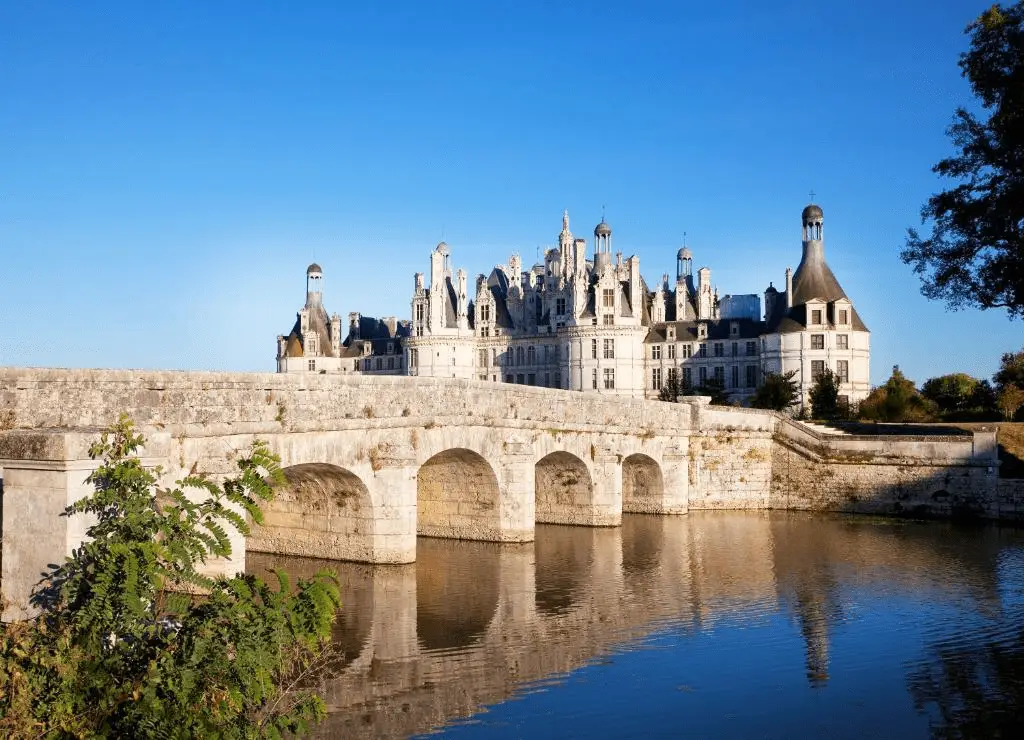
Relais de Chambord occupies the only accommodations within the walled domain of Château de Chambord—France’s largest Renaissance castle and the architectural obsession of King François I. Built in 1867 as the estate’s official guesthouse, this property functions as the private lodge for the 5,440-hectare royal hunting forest. Guests access what the French monarchy reserved for itself: unmediated proximity to the château, exclusive forest trails, and the territorial authority of staying within a UNESCO World Heritage fortress after the day visitors depart.
Relais de Chambord, a Small Luxury Hotels of the World ★★★★
When François I commissioned Château de Chambord in 1519, he created a structure of such scale—440 rooms, 365 fireplaces, 84 staircases—that subsequent French kings struggled to furnish it. The château remained a royal hunting retreat rather than a palace, its purpose tied directly to the surrounding forest where the monarchy exercised territorial dominance over game and land. Relais de Chambord continues this function. As the estate’s official guesthouse since 1867, the property grants guests the same privilege the crown reserved: residence within the château’s private domain, behind walls that still separate the estate from public access.
The architectural advantage is immediate. Where external hotels require vehicular approach and parking negotiations, Relais de Chambord sits 150 meters from the château’s north façade. The forest trails François I carved for royal hunts remain exclusive to estate residents. The property’s 55 rooms and suites function as modern interpretation of the hunting lodge model—parquet floors, period detailing, and forest views that frame the estate’s 5,440 hectares of protected woodland. Suites convert historic proportions into contemporary utility: the Deluxe Suites (42m²) maintain ceiling heights and window scales that reflect the château’s Renaissance grammar, while Superior Rooms (32m²) distill the same formal language into more compact footprints.
The territorial logic extends to access patterns. Public tours conclude at 6 PM. Estate guests remain. The experience shifts from shared monument to private residence—the château’s illuminated façade becomes evening context rather than daytime spectacle. Breakfast at Le Grand Saint-Michel operates within this temporal authority: morning service on the terrace positions the château as backdrop to the meal rather than destination requiring approach. The estate’s forest trails open exclusively to hotel guests after closure, converting royal hunting grounds into private walking territory.
The property doesn’t approximate proximity to Chambord; it delivers residence within it. The differential isn’t subjective. It’s cadastral: you’re either inside the walled domain or you’re not. Relais de Chambord secures the former, with documented lineage to the estate’s original service infrastructure—the guesthouse that housed hunting parties when the château was active royal territory rather than historic monument.
Check Availability & Rates →This is the only private residence permitted within the 13,000-acre royal walled park, placing you inside the sovereign perimeter of François I. You occupy the direct line of sight to the 365 chimneys of the world’s most ambitious hunting lodge, a vantage point that was historically reserved for the King’s inner circle.
FAQ: Relais de Chambord
Is Relais de Chambord inside Château de Chambord itself?
Relais de Chambord is located within the château’s walled private domain, 150 meters from the north façade. While not inside the château structure, it functions as the estate’s official guesthouse—the only accommodations within the 5,440-hectare royal grounds that remain closed to public vehicle access.
What makes staying at Relais de Chambord different from nearby hotels?
Relais de Chambord provides exclusive access to the château’s private estate after public closure at 6 PM. Guests walk freely through gardens and forest trails reserved for the French monarchy during active hunting seasons. The property delivers territorial proximity—residence within the walled domain rather than external approach to it.
Can you see Château de Chambord from Relais de Chambord rooms?
Select rooms and suites at Relais de Chambord offer direct château views. The property’s 150-meter proximity means the Renaissance façade functions as architectural context to your stay. Superior Rooms with Forest View prioritize the estate’s woodland rather than the château structure.
Is breakfast included at Relais de Chambord?
Breakfast policies vary by booking rate. Verify inclusions during reservation. Le Grand Saint-Michel serves morning service with terrace seating that positions the château as backdrop—the spatial arrangement François I intended when he designed Chambord as a hunting retreat rather than residential palace.
The Royal Guesthouse Authority
The Loire Valley contains 42 châteaux open to tourism. Only one permits overnight stays within its historic walls. Relais de Chambord occupies this singular position through documented lineage: the estate’s purpose-built guesthouse, serving the same territorial function since 1867 that it performed when Chambord was active royal property. The advantage isn’t aesthetic proximity—it’s cadastral sovereignty. Continue your exploration of French royal estates at Château Saint-Martin & Spa or experience Chantilly’s heritage at InterContinental Chantilly Château Mont Royal.
For more curated itineraries and luxury-focused travel insights, visit Your Luxury Guide. For official travel information and destination updates, visit France tourism-info.
Your Luxury Guide — Where Exceptional Travel Begins.