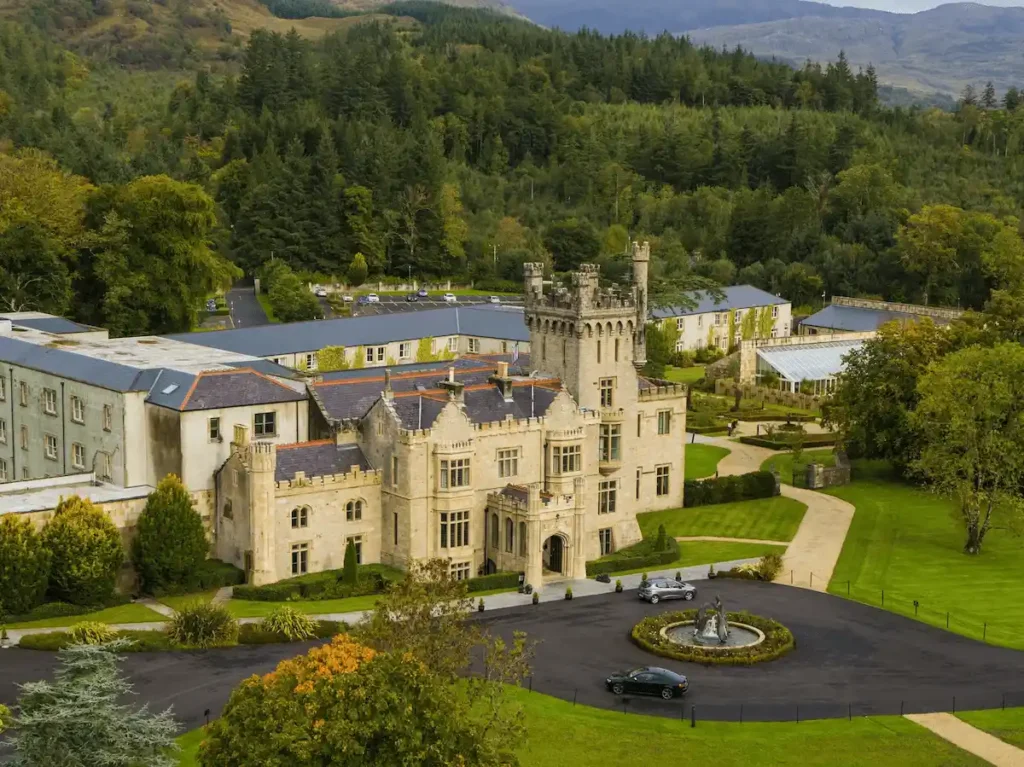
The 19th-century Tudor-Baronial limestone architecture of Lough Eske Castle showcasing its meticulously restored central tower, ornate crenelated battlements, and original defensive stonework.

Lough Eske Castle Ireland: Where O’Donnell Authority Commands the Lake

Lough Eske Castle stands as Donegal’s supreme territorial seat—a 1474 O’Donnell stronghold rebuilt into Ireland’s most commanding lakeside estate. This is not decorative heritage. The original fortress controlled the region’s water access and mountain passes for centuries. Today’s best castle hotels in Ireland preserve that geographic dominance, but few occupy the strategic lakeside position that […]

Lough Eske Castle Ireland: Where O’Donnell Authority Commands the Lake Read More »
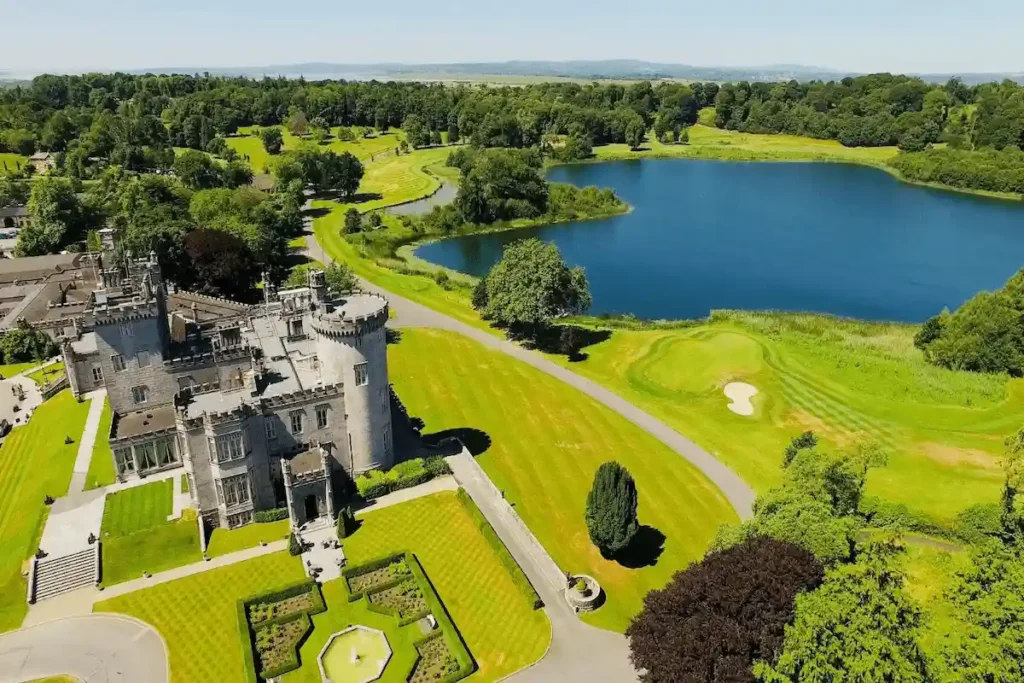
The 19th-century Neo-Gothic limestone facade of Dromoland Castle featuring its dramatic crenelated battlements and original baronial stonework mirrored in the 24-acre Lough Dromoland lake view.

Dromoland Castle: The O’Brien Dynasty’s Ancestral Fortress in County Clare

For over four centuries, Dromoland Castle served as the fortified seat of the O’Brien clan—direct descendants of Brian Boru, the High King who unified Ireland in 1002. The castle’s 16th-century origins, expanded into a Gothic Revival masterpiece in the 1820s, represent unbroken territorial authority. Today’s guest occupies the same stone halls where Irish nobility negotiated

Dromoland Castle: The O’Brien Dynasty’s Ancestral Fortress in County Clare Read More »

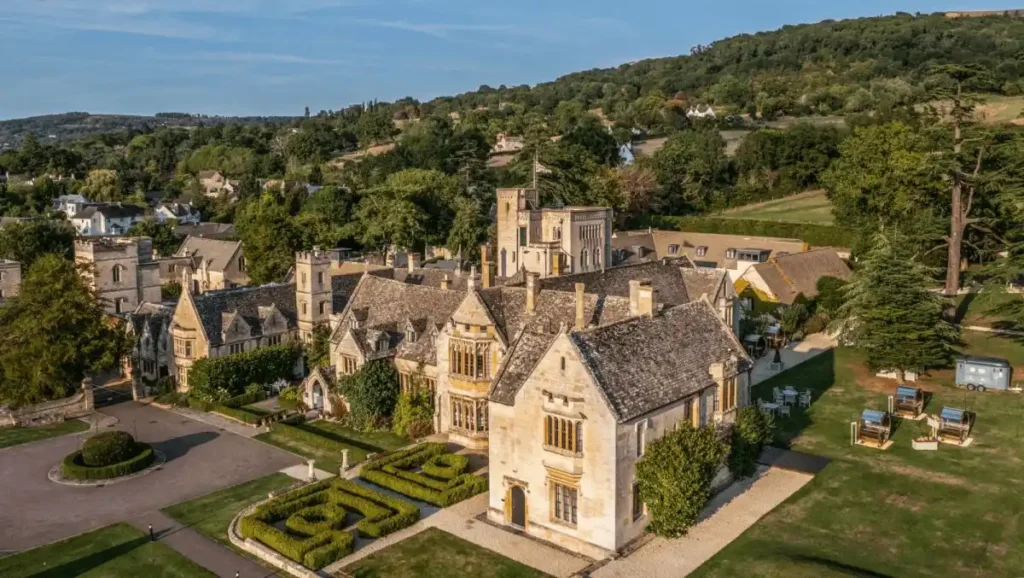
The 15th-century Cotswold stone masonry of Ellenborough Park, showing the historic manor facade and its architectural connection to the surrounding estate.

Ellenborough Park: Five Centuries of Cotswold Command

For over 500 years, the Ellenborough Park has functioned as a seat of territorial authority in the Cotswolds, its stone wings anchoring 90 acres of documented parkland since the 15th century. The manor’s verified lineage—from Tudor foundation through Victorian expansion—establishes a stay defined not by standard luxury, but by inhabiting a property where generations of

Ellenborough Park: Five Centuries of Cotswold Command Read More »

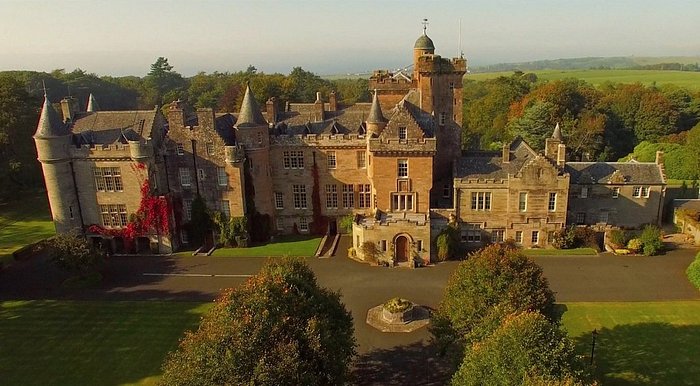
The 19th-century sandstone Scottish Baronial facade of Glenapp Castle, featuring David Bryce’s signature turrets and crenellations overlooking the Irish Sea.

Glenapp Castle: Scotland’s 19th-Century Baronial Command Reborn as Elite Estate Hotel

Glenapp Castle stands as Scotland’s definitive baronial fortress reimagined for sovereign-grade hospitality. Built in 1870 as the Innes-Ker family’s territorial seat, this 36-acre Ayrshire estate commanded coastal dominance through Victorian-era engineering—17-foot stone walls, turret observation points, and strategic positioning above the Firth of Clyde. Today’s 17 suites occupy the chambers where Scottish landed gentry exercised

Glenapp Castle: Scotland’s 19th-Century Baronial Command Reborn as Elite Estate Hotel Read More »

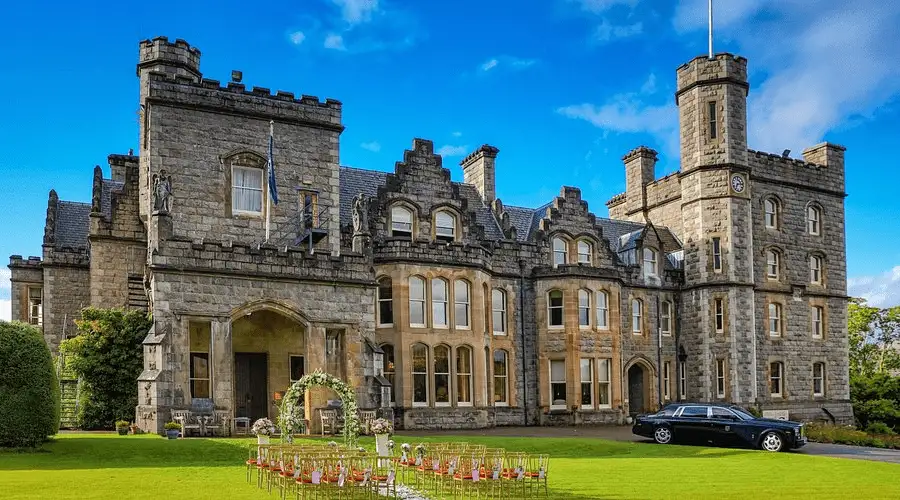
The 19th-century Scottish Baronial facade of Inverlochy Castle Hotel, featuring dove-grey stone turrets at the foot of Ben Nevis.

Inverlochy Castle Hotel: Queen Victoria’s Highland Sovereign Seat

Inverlochy Castle Hotel stands as the definitive Highland power seat where Queen Victoria declared she “never saw a lovelier or more romantic spot.” Built in 1863 by the first Lord Abinger during the apex of Scottish Baronial revival, this estate commands 500 acres beneath Ben Nevis—Britain’s highest territorial marker. The castle synthesizes Grand Tour architectural

Inverlochy Castle Hotel: Queen Victoria’s Highland Sovereign Seat Read More »

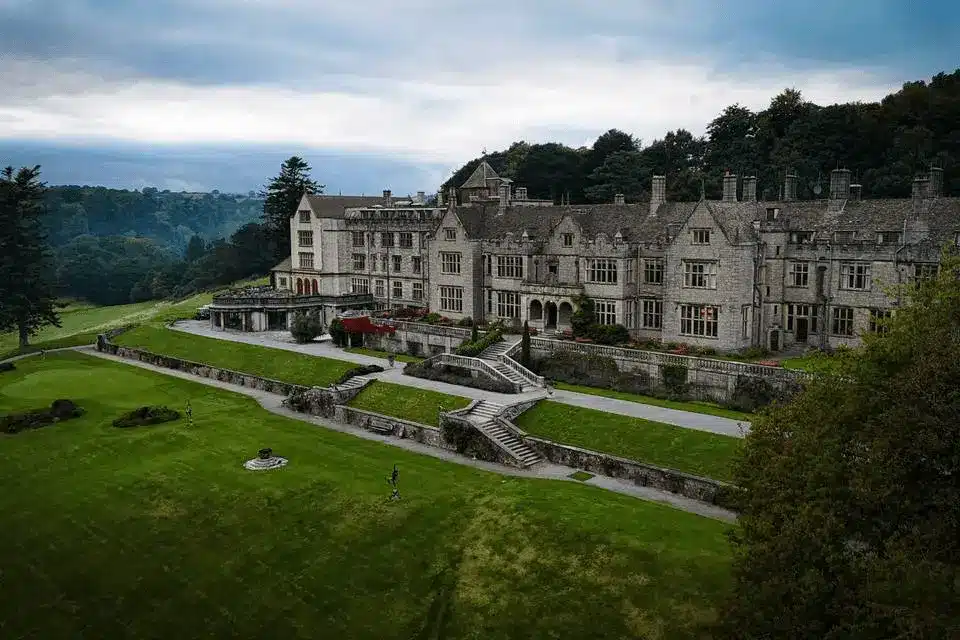
Aerial perspective of the Neo-Elizabethan stone facade of Bovey Castle overlooking the championship golf course and the private 275-acre Dartmoor estate.

Bovey Castle: Historic Manor Estate & Championship Golf Resort in Dartmoor

Bovey Castle commands 275 acres of Dartmoor wilderness as the former seat of Viscount Hambleden. Built in 1906 as a private manor for one of Britain’s industrial dynasties, the estate functions today as a full-service sporting retreat where guests occupy the same halls where Edwardian elite orchestrated their territorial dominance. The property’s championship golf course

Bovey Castle: Historic Manor Estate & Championship Golf Resort in Dartmoor Read More »

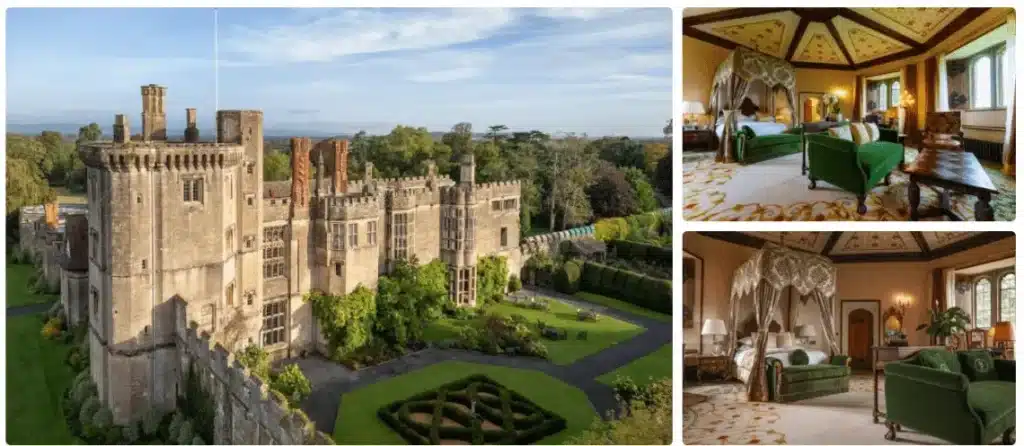
Exterior view of the fortified Tudor masonry and crenelated towers of Thornbury Castle alongside the Duke’s bedchamber featuring original 16th-century architectural details.

Thornbury Castle: Tudor Royal Palace & England’s Only Hotel Where Henry VIII Slept

Thornbury Castle stands as England’s only castle hotel where Henry VIII actually resided—a documented 1535 royal visit that transformed this fortress into the ultimate seat of Tudor authority. Built in 1511 by Edward Stafford, 3rd Duke of Buckingham, this is not a country house reimagined as luxury; this is a fortified Tudor palace where Renaissance

Thornbury Castle: Tudor Royal Palace & England’s Only Hotel Where Henry VIII Slept Read More »

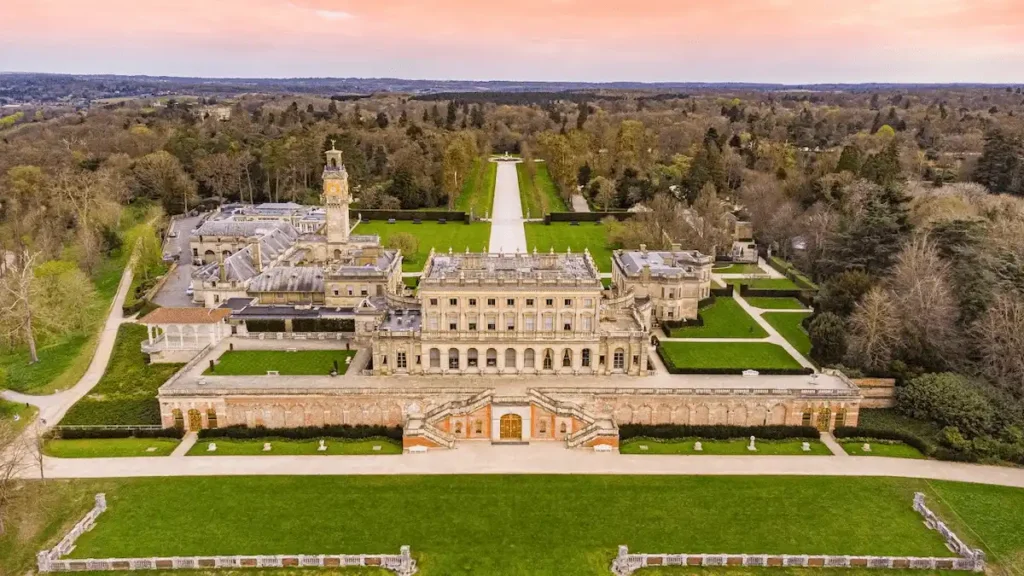
Symmetrical aerial view of the Italianate stone facade and expansive parterre gardens of Cliveden House, representing centuries of elite social and political authority.

Cliveden House: The Thames Valley Estate Where British Power Was Negotiated

Cliveden House stands 200 feet above the Thames, commanding 376 acres that have hosted three centuries of British authority—from dukes to prime ministers to the Astor political dynasty. The estate’s physical scale mirrors its historical influence: formal gardens designed by royal landscapers, State Rooms where Churchill debated policy, and bedchambers where the course of nations

Cliveden House: The Thames Valley Estate Where British Power Was Negotiated Read More »

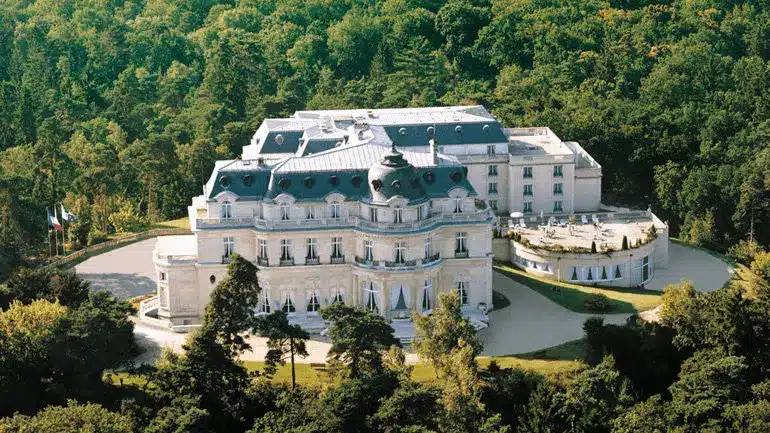
Aerial view of the Neoclassical stone facade and manicured grounds of InterContinental Chantilly Château Mont Royal, positioned as a private forest estate within the Chantilly region.

InterContinental Chantilly Château Mont Royal: The Sovereign Estate of Chantilly Forest

The InterContinental Chantilly Château Mont Royal occupies 19 hectares of territorial authority within Chantilly Forest, a landscape where French monarchs exercised absolute dominion for three centuries. Built in 1910 as a private hunting estate when Louis XV claimed these woods for royal sport, the château’s stone towers and Neo-Renaissance salons encode the physical architecture of

InterContinental Chantilly Château Mont Royal: The Sovereign Estate of Chantilly Forest Read More »

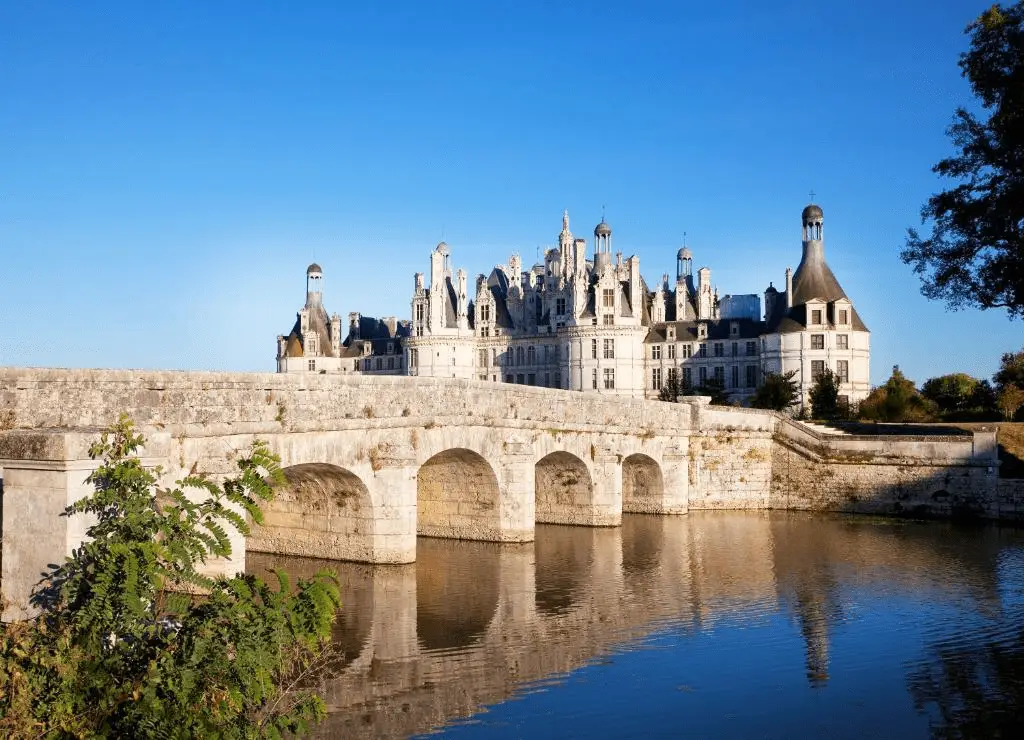
Exterior stone facade of Relais de Chambord overlooking the historic stone bridge and moated grounds of the Château de Chambord estate.

Relais de Chambord – The Royal Estate Hotel Inside Château de Chambord’s Private Grounds

Relais de Chambord occupies the only accommodations within the walled domain of Château de Chambord—France’s largest Renaissance castle and the architectural obsession of King François I. Built in 1867 as the estate’s official guesthouse, this property functions as the private lodge for the 5,440-hectare royal hunting forest. Guests access what the French monarchy reserved for

Relais de Chambord – The Royal Estate Hotel Inside Château de Chambord’s Private Grounds Read More »