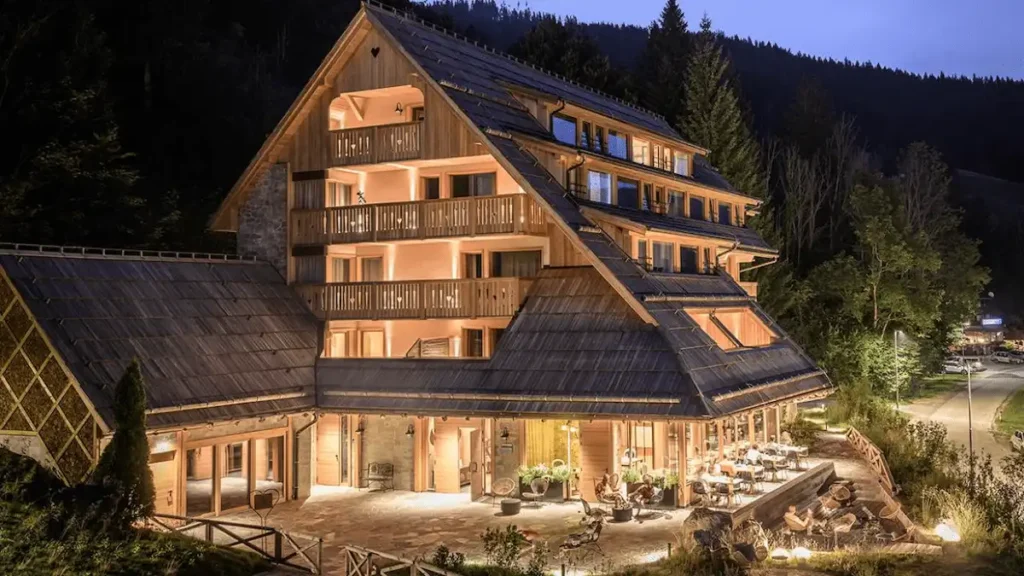
The illuminated timber facade of Vila Planinka at twilight, a 5-star boutique hotel in the Jezersko Alps featuring organic architecture, natural energy points, and a zero-electronics digital detox concept.

Vila Planinka Jezersko: Where Glacier Air Meets Century-Old Healing Ground

Vila Planinka stands in Jezersko Valley, a location recognized for over 100 years as a climatic health resort where natural cooling currents from Skuta Glacier maintain perpetual oxygen-rich air. This 2019 property, built entirely from local Siberian larch and spruce without chemical treatments, occupies four documented geomagnetic energy points that locals have used for natural […]

Vila Planinka Jezersko: Where Glacier Air Meets Century-Old Healing Ground Read More »
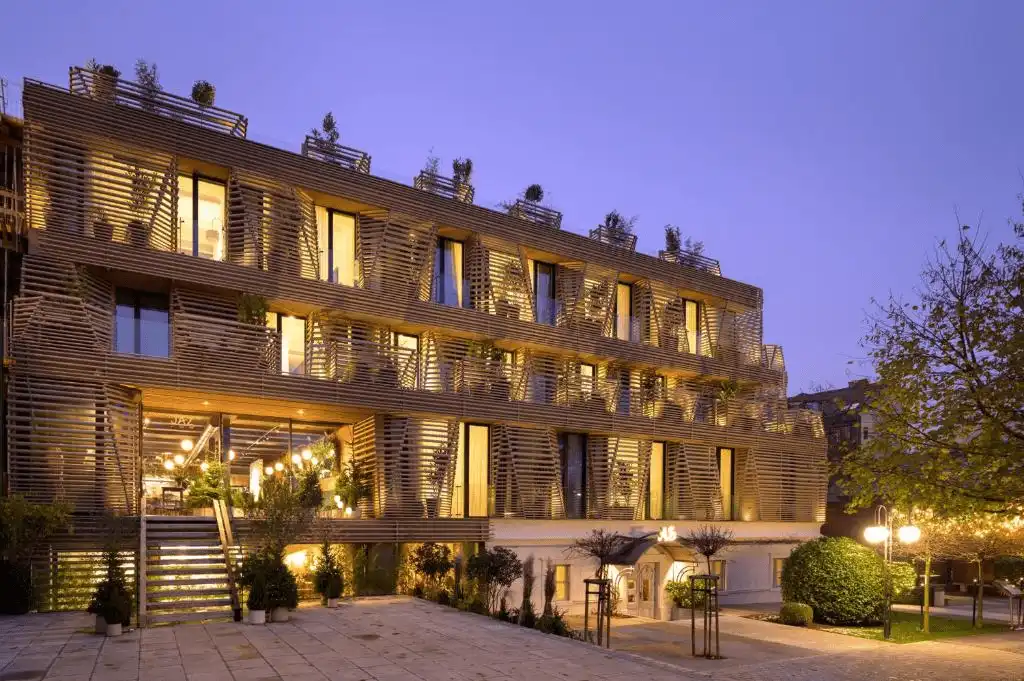
The contemporary timber-slat exterior of AS Boutique Hotel in Ljubljana, designed by OFIS Architects, featuring its signature 'basket' balconies and the destination restaurant Jaz.

AS Boutique Hotel: Architecture and Legacy in Ljubljana’s Medieval Quarter

AS Boutique Hotel stands at the convergence of Ljubljana’s shopping arcade and hidden courtyard gardens, wrapped in a signature facade by OFIS Architects. The vertical larch slats filter Mediterranean light into a building constructed atop a 19th-century merchant house—the original home of the city’s pioneering fine-dining establishment. The rooftop terrace overlooks Ljubljana Castle and the

AS Boutique Hotel: Architecture and Legacy in Ljubljana’s Medieval Quarter Read More »

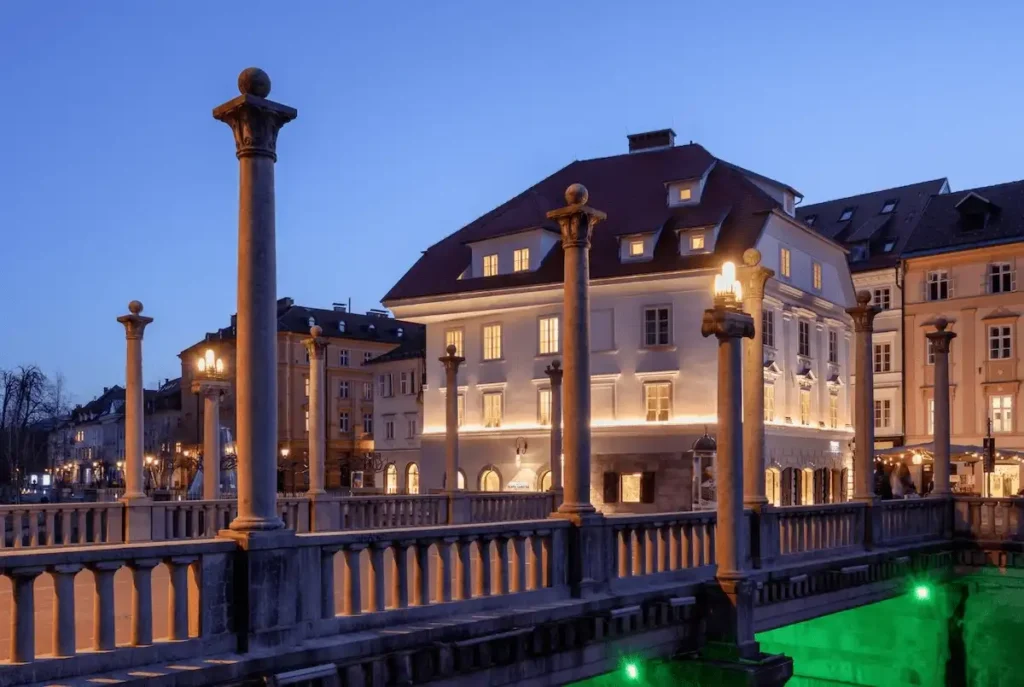
Exterior of Zlata Ladjica Boutique Hotel in Ljubljana, a meticulously restored 16th-century heritage building on the banks of the Ljubljanica river, featuring 15 uniquely themed rooms and a private wellness spa.

Zlata Ladjica Boutique Hotel: 16th-Century Riverside Authority in Ljubljana’s Trade Heart

Zlata Ladjica Boutique Hotel operates from a mid-1500s inn that anchored Ljubljana’s river commerce for nearly five centuries. The name references the legendary sunken treasure boat in the Ljubljanica River, and the building served as the primary social hub for dockworkers and merchants who controlled the city’s trade routes. A decade-long restoration by the Institute

Zlata Ladjica Boutique Hotel: 16th-Century Riverside Authority in Ljubljana’s Trade Heart Read More »

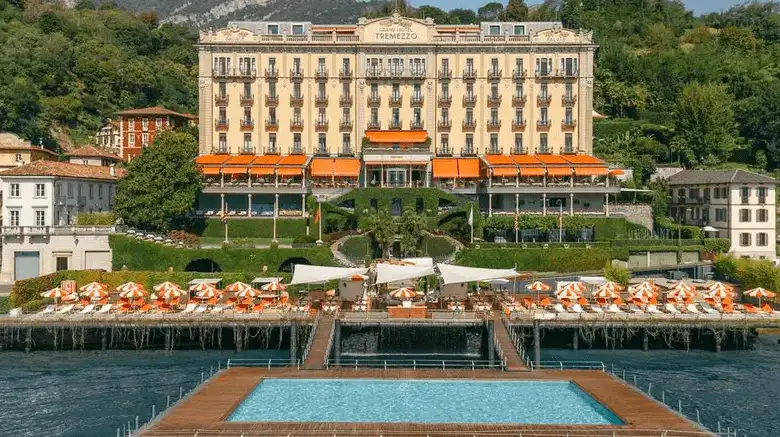
Exterior of the Grand Hotel Tremezzo on Lake Como, a 1910 Belle Époque palace featuring the 'Water-on-the-Water' floating pool and 20,000 square meters of botanical gardens.

Grand Hotel Tremezzo Lake Como: The 1910 Liberty Engineering Palace

Grand Hotel Tremezzo represents Lake Como’s first purpose-built luxury hotel, constructed in 1910 with reinforced concrete frame technology that allowed for unprecedented window scale and structural ambition. Unlike the region’s converted aristocratic villas, this property was engineered from foundation to roofline as a hospitality palace, its three distinct facades—Italian Liberty, Swiss-Chalet, and Neoclassical—designed to command

Grand Hotel Tremezzo Lake Como: The 1910 Liberty Engineering Palace Read More »

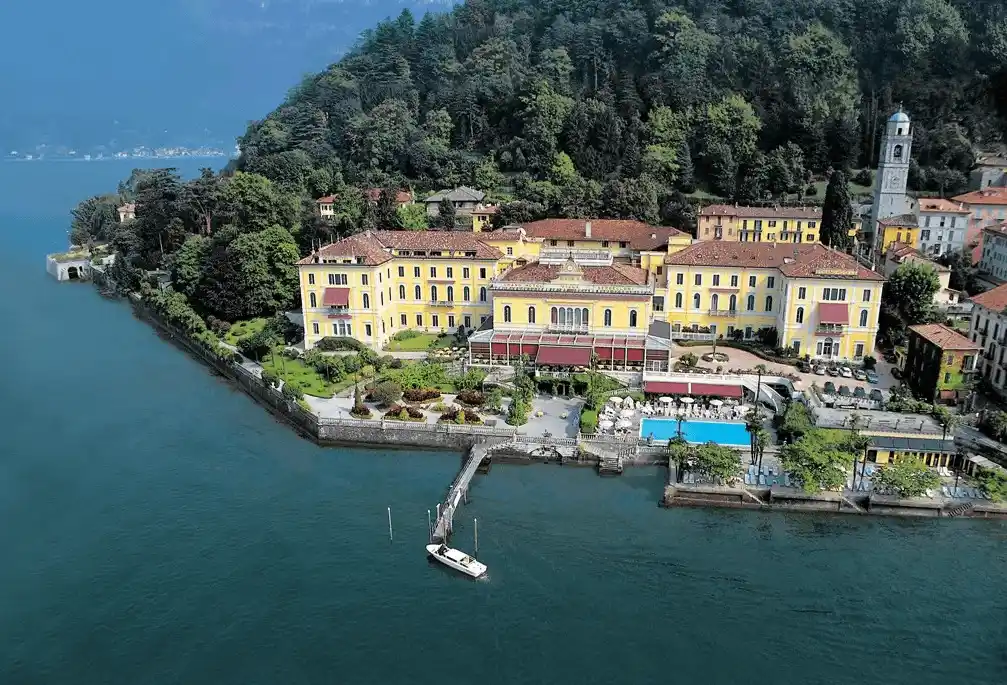
Exterior of the Grand Hotel Villa Serbelloni, the only Relais & Châteaux on Lake Como, an 1854 neoclassical palace and former wartime sanctuary featuring 24 acres of terraced gardens and the 16,000-square-foot Luce del Lago spa.

Grand Hotel Villa Serbelloni: Neoclassical Villa Estate on Lake Como

Originally commissioned in 1851 by Count Frizzoni of Bergamo as a private birthday gift for his wife, Grand Hotel Villa Serbelloni stands as one of Lake Como’s most intimate legacy properties. The neoclassical villa, inaugurated in 1854, has been owned and operated by the Bucher family for four generations since 1918—the family still lives on-site,

Grand Hotel Villa Serbelloni: Neoclassical Villa Estate on Lake Como Read More »

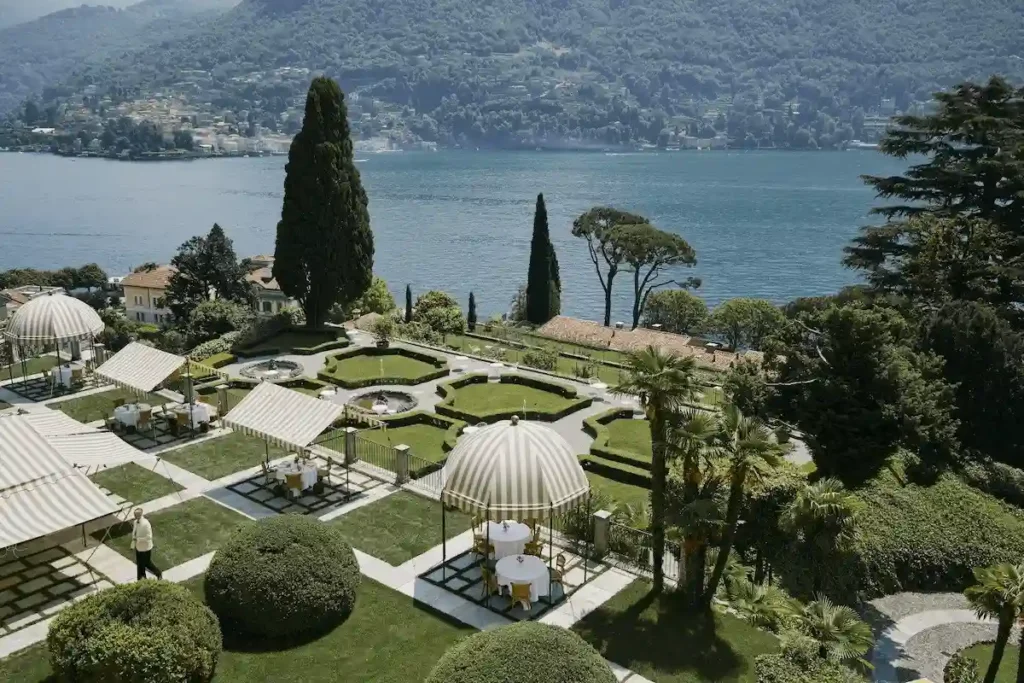
The historic facade and terraced gardens of Passalacqua on Lake Como, an 18th-century neoclassical villa built in 1787 where composer Vincenzo Bellini lived and wrote his most famous operas.

Passalacqua Lake Como: The 18th-Century Villa Where Napoleon Conducted Diplomacy and Bellini Composed Operas

Passalacqua occupies land that served as a papal retreat before its foundations were laid in 1787. Designed by Milanese architect Carlo Felice Soave for Count Andrea Lucini-Passalacqua, this estate became a seat of power where Napoleon Bonaparte chose to conduct high-level negotiations away from Milan. Composer Vincenzo Bellini lived here in 1829, writing Norma and

Passalacqua Lake Como: The 18th-Century Villa Where Napoleon Conducted Diplomacy and Bellini Composed Operas Read More »

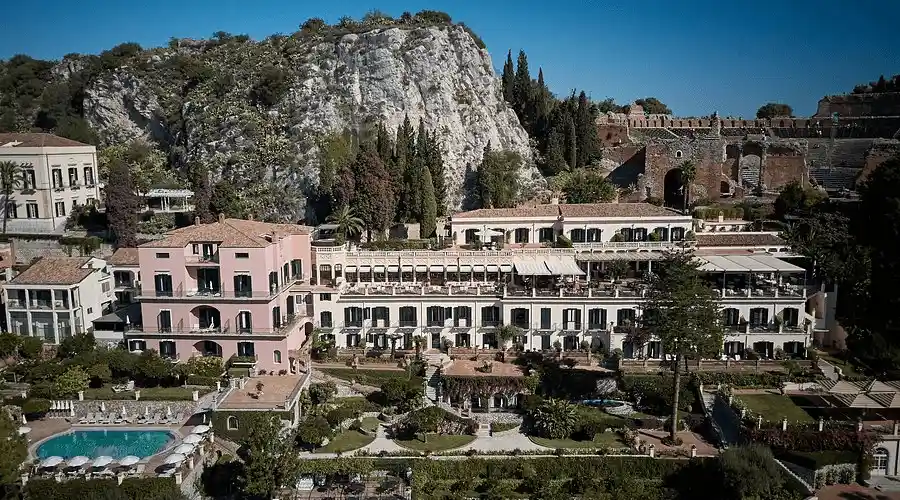
An aerial view of the Grand Hotel Timeo, A Belmond Hotel, Taormina, the city’s inaugural 1873 estate located directly adjacent to the Ancient Greek Theater with panoramic views of Mount Etna.

Grand Hotel Timeo, A Belmond Hotel, Taormina: Sicily’s 1873 Cliffside Pioneer Above Ancient Greek Ruins

Grand Hotel Timeo, A Belmond Hotel, Taormina opened in 1873 as the first purpose-built luxury hotel on Sicily’s east coast. Perched 200 meters above the Ionian Sea, the property was constructed directly adjacent to Taormina’s 3rd-century BC Greek theater, embedding the ruins into the hotel’s physical experience. Designed by Florentine architect Giovan Battista Filippo Basile,

Grand Hotel Timeo, A Belmond Hotel, Taormina: Sicily’s 1873 Cliffside Pioneer Above Ancient Greek Ruins Read More »

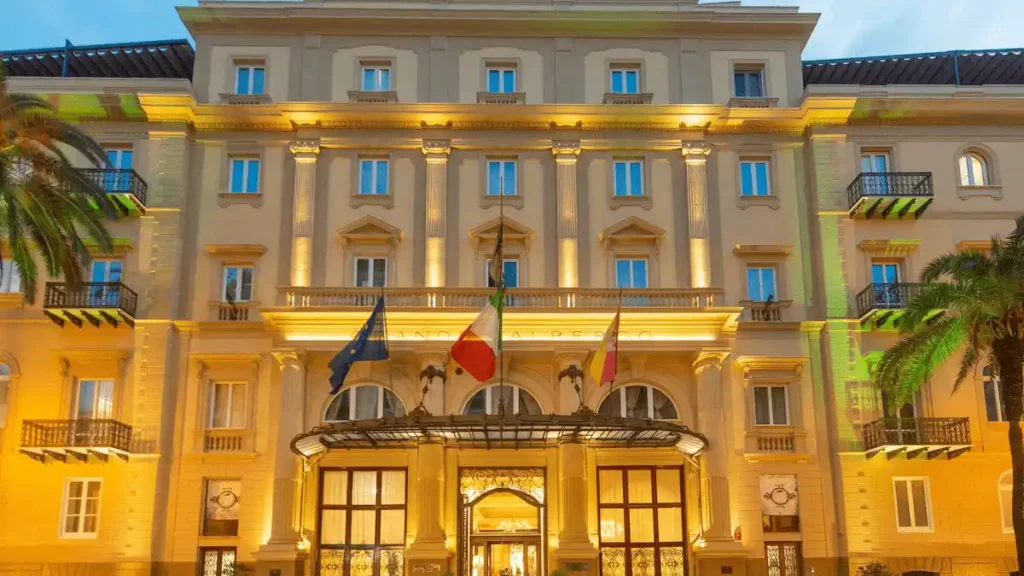
Exterior facade of the Grand Hotel et des Palmes in Palermo, a luxury landmark originally built in 1874 as the private residence of the Ingham-Whitaker banking dynasty and later transformed into a Belle Époque masterpiece.

Grand Hotel Et Des Palmes: Where Wagner Composed in Palermo’s 1874 Aristocratic Seat

Grand Hotel Et Des Palmes commands an 1874 palazzo built for the Ingham-Whitaker banking dynasty at the apex of Palermo’s Belle Époque prosperity. Wagner composed Parsifal’s final act within these walls in 1882. The palazzo’s monumental marble staircase and frescoed salons represent the architectural authority of Sicily’s most powerful 19th-century merchant families. Today’s guests inhabit

Grand Hotel Et Des Palmes: Where Wagner Composed in Palermo’s 1874 Aristocratic Seat Read More »

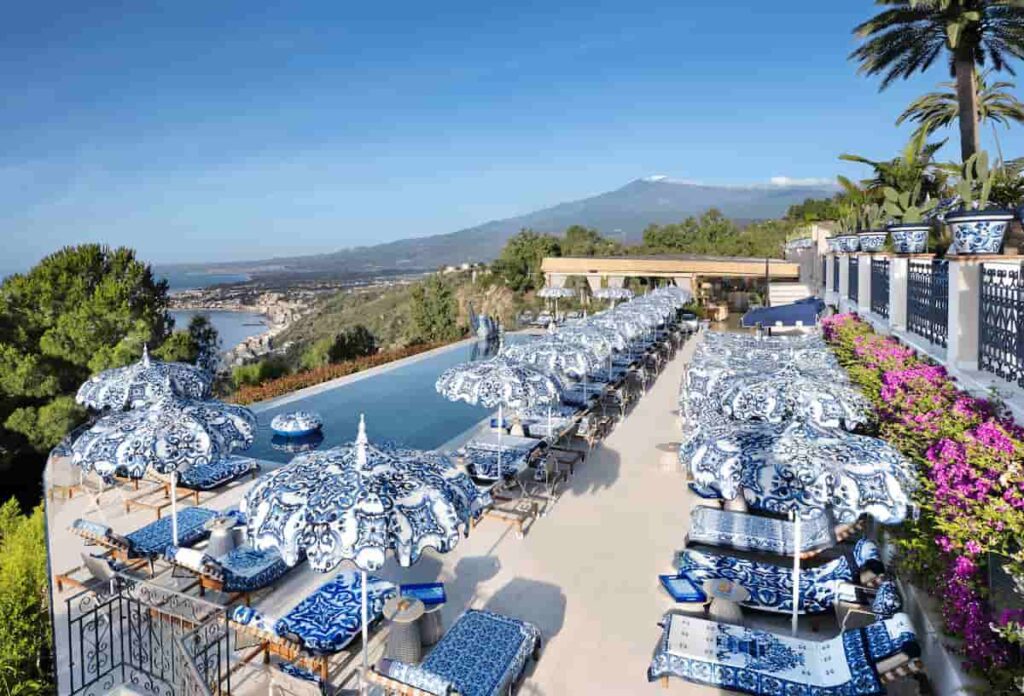
The infinity pool at San Domenico Palace Taormina, A Four Seasons Hotel, a luxury retreat housed in a restored 14th-century Dominican monastery with panoramic views of Mount Etna and the Ionian Sea.

San Domenico Palace Taormina: Sicily’s 14th-Century Monastery Overlooking Mount Etna

San Domenico Palace Taormina commands Sicily’s eastern coastline from a Dominican monastery established in 1374. This clifftop landmark—Sicily’s first grand hotel conversion in 1896—delivers volcanic panoramas, Renaissance-era cloisters, and oceanfront terraces where Europe’s aristocracy established Taormina as the Mediterranean’s elite retreat. Original vaulted chapels now frame spa suites, century-old gardens transition into infinity pools, and

San Domenico Palace Taormina: Sicily’s 14th-Century Monastery Overlooking Mount Etna Read More »

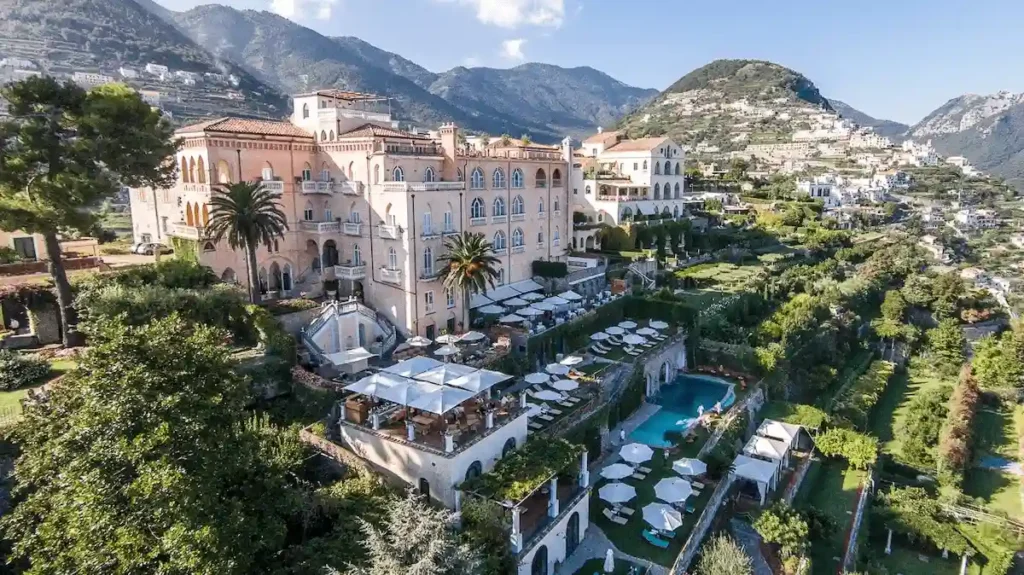
Aerial view of Palazzo Avino, a 5-star hotel in a restored 12th-century pink palace formerly known as Palazzo Sasso, perched 350 meters above the Amalfi Coast in Ravello with terraced gardens and pool.

Palazzo Avino: 12th-Century Noble Villa Commanding Ravello’s Cliffs

Palazzo Avino sits 350 meters above the Tyrrhenian Sea in a 12th-century villa where Ravello’s noble families built their administrative and social power. The palazzo’s original stone vaults and Renaissance frescoes frame a property where Wagner composed and the Sersale family established their seat. Today’s suites occupy chambers where trade agreements were signed and diplomatic

Palazzo Avino: 12th-Century Noble Villa Commanding Ravello’s Cliffs Read More »