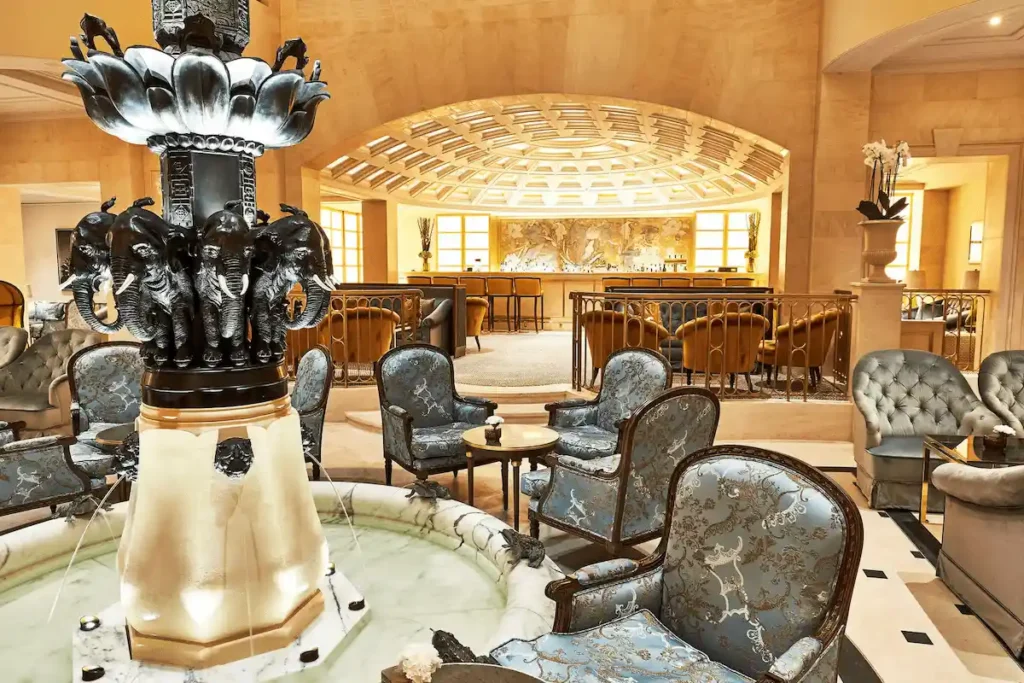
The historic Hindu-inspired bronze Elephant Fountain, a 1930s gift from a Maharaja, serves as the centerpiece of the lobby lounge at Hotel Adlon Kempinski Berlin, set against neoclassical arches and a coffered ceiling.

Hotel Adlon Kempinski Berlin: The Kaiser’s 20 Million Gold Mark Command Post

Hotel Adlon Kempinski Berlin stands on Pariser Platz as the physical monument to Lorenz Adlon’s 20 million gold mark investment—the most expensive hotel construction in European history when it opened in 1907. Kaiser Wilhelm II paid an annual retainer of 150,000 gold marks to guarantee rooms remained perpetually available for his state visitors, refusing entry […]

Hotel Adlon Kempinski Berlin: The Kaiser’s 20 Million Gold Mark Command Post Read More »
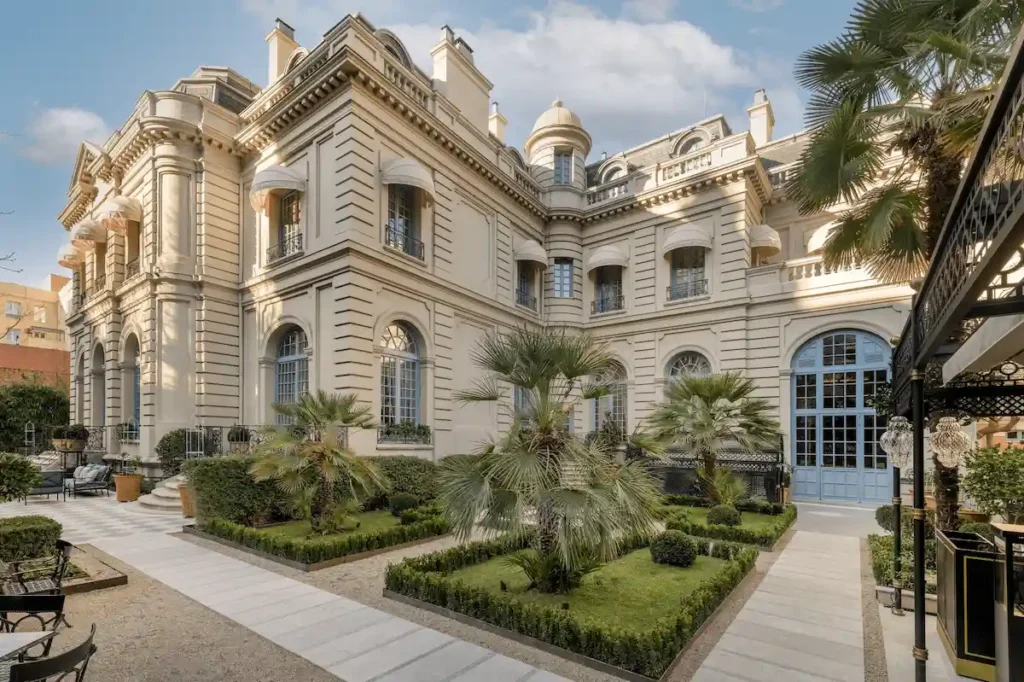
The elegant 19th-century French-style exterior of Santo Mauro Madrid, formerly the private residence of the Duke of Santo Mauro, featuring neoclassical stone architecture and a manicured garden with palm trees and boxwood hedges.

Santo Mauro Madrid: The Duke’s Secret Palace in Chamberí

Santo Mauro Madrid occupies the 1899 residence of Mariano Fernández de Henestrosa, 1st Duke of Santo Mauro—a courtier to King Alfonso XIII who commissioned architect Juan Bautista Lázaro de Diego to build not a Spanish palazzo but a Parisian petit hôtel in the heart of Madrid’s noble Chamberí quarter. This is the palace where the

Santo Mauro Madrid: The Duke’s Secret Palace in Chamberí Read More »

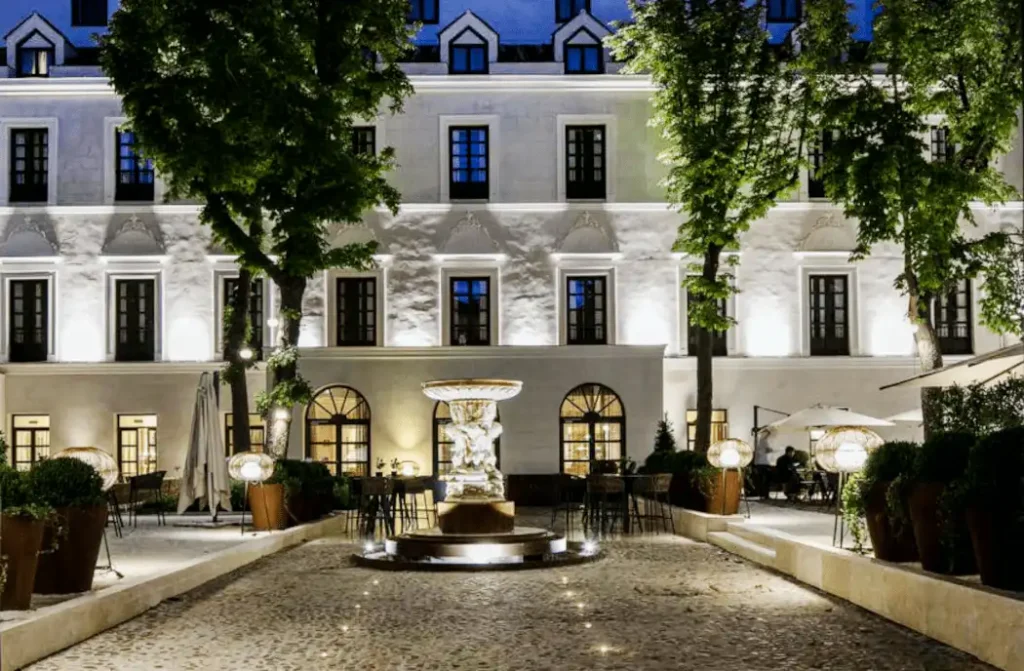
The illuminated 19th-century facade and historic "secret garden" of Palacio de los Duques Gran Meliá, featuring a central stone fountain and lush greenery on the site of a former 13th-century Dominican convent.

Palacio de los Duques Gran Meliá: Madrid’s Aristocratic Art Residence

For two centuries, this palace served as the private residence of the Dukes of Granada de Ega, one of Spain’s most influential noble families. Built in the 19th century atop the foundations of a 13th-century Dominican convent, the Palacio de los Duques Gran Meliá stands as Madrid’s most historically layered luxury address. Today, guests occupy

Palacio de los Duques Gran Meliá: Madrid’s Aristocratic Art Residence Read More »

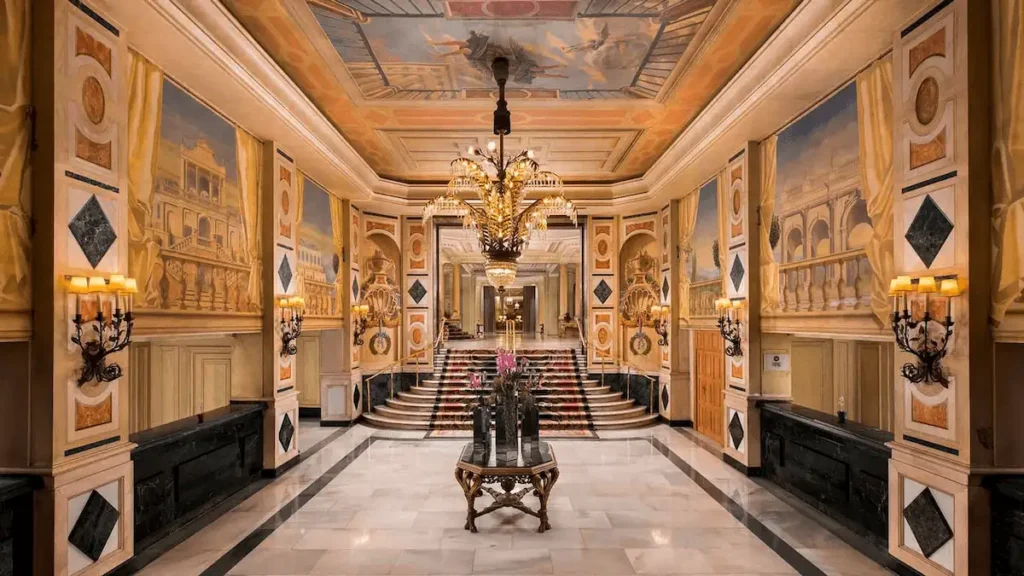
The grand neoclassical lobby of The Palace Madrid, featuring marble columns, ornate ceiling frescoes, and a restored 1912 glass palm-tree chandelier, reflecting the hotel’s €90 million restoration completed in March 2025.

The Palace Madrid: Spain’s First Royal Command Hotel

The Palace Madrid was commissioned by King Alfonso XIII in 1912 to establish Spain’s position among Europe’s capitals of luxury. Built on the grounds of the former Palace of the Dukes of Medinaceli, it introduced the nation’s first hotel rooms with private baths and telephones—a declaration of modernity that would host generations of monarchs, spies,

The Palace Madrid: Spain’s First Royal Command Hotel Read More »

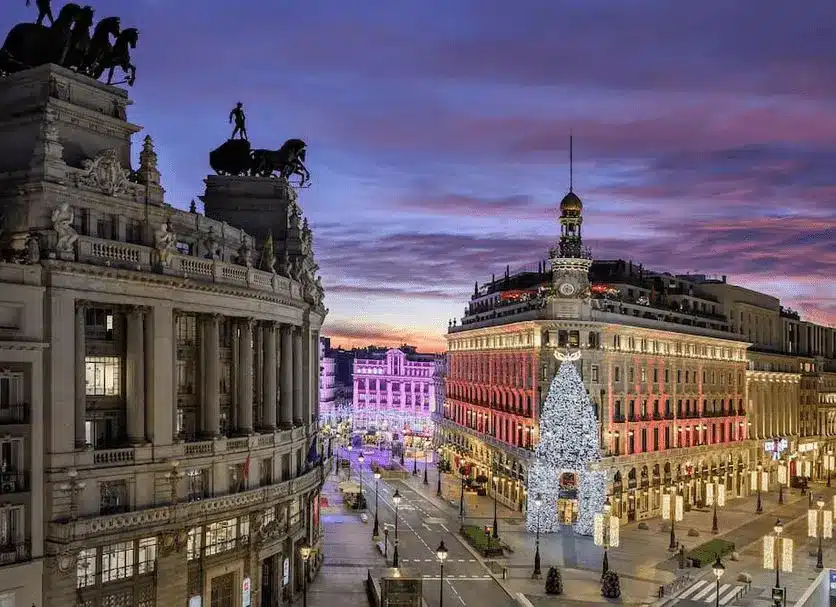
The grand, triangular exterior of Four Seasons Hotel Madrid, showcasing the historic clock tower and copper cupola of the former Palacio de la Equitativa, where the neoclassical architecture of seven heritage buildings meets the vibrant center of Spain's capital.

Four Seasons Hotel Madrid: The Seven-Building Empire

The Four Seasons Hotel Madrid commands a triangular city block where seven 19th-century banking headquarters converge into a single €530 million estate. At its center stands the Palacio de la Equitativa—an 1887 Neo-Baroque fortress built for an American insurance empire, later claimed by Spanish Credit Bank (Banesto) for 84 years of financial dominance. You occupy

Four Seasons Hotel Madrid: The Seven-Building Empire Read More »

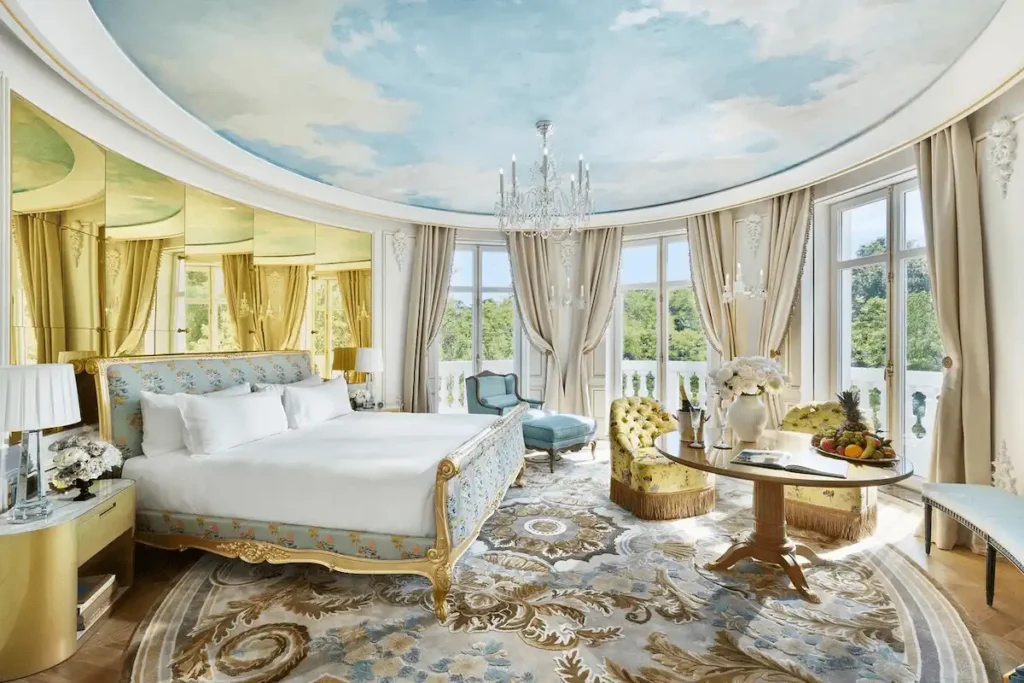
The luxurious Royal Suite at Mandarin Oriental Ritz Madrid, featuring a stunning circular sky-blue ceiling fresco, gilded neoclassical furniture, and floor-to-ceiling windows overlooking the Prado Museum district.

Mandarin Oriental Ritz Madrid: The Royal Decree Hotel Built for a King’s Wedding

Mandarin Oriental Ritz Madrid opened October 2, 1910, not as a commercial venture but as a royal mandate. King Alfonso XIII personally commissioned César Ritz to build Spain’s first palace hotel grand enough to house European royalty for his wedding—a building that would define Madrid’s social apex for the next century. Today, you inhabit the

Mandarin Oriental Ritz Madrid: The Royal Decree Hotel Built for a King’s Wedding Read More »

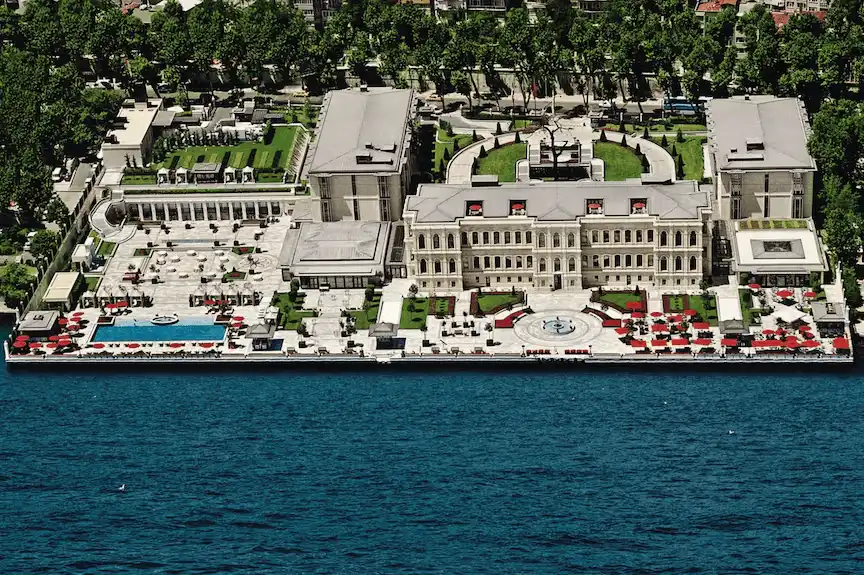
An aerial perspective of the Four Seasons Hotel Istanbul at the Bosphorus, highlighting the 19th-century Atik Pasha Palace wing and the expansive marble waterfront terrace with its heated outdoor pool overlooking the strait.

Four Seasons Hotel Istanbul at the Bosphorus: Ottoman Imperial Estate on the Water

The Four Seasons Hotel Istanbul at the Bosphorus occupies the 1873 Atik Pasha Palace, a verified member of the Fer’iye imperial estate—where Ottoman royalty and high-ranking dignitaries commanded 190 meters of waterfront dominance. This is not a hotel built near history; this is the architecture of imperial command, preserved as the only address where guests

Four Seasons Hotel Istanbul at the Bosphorus: Ottoman Imperial Estate on the Water Read More »

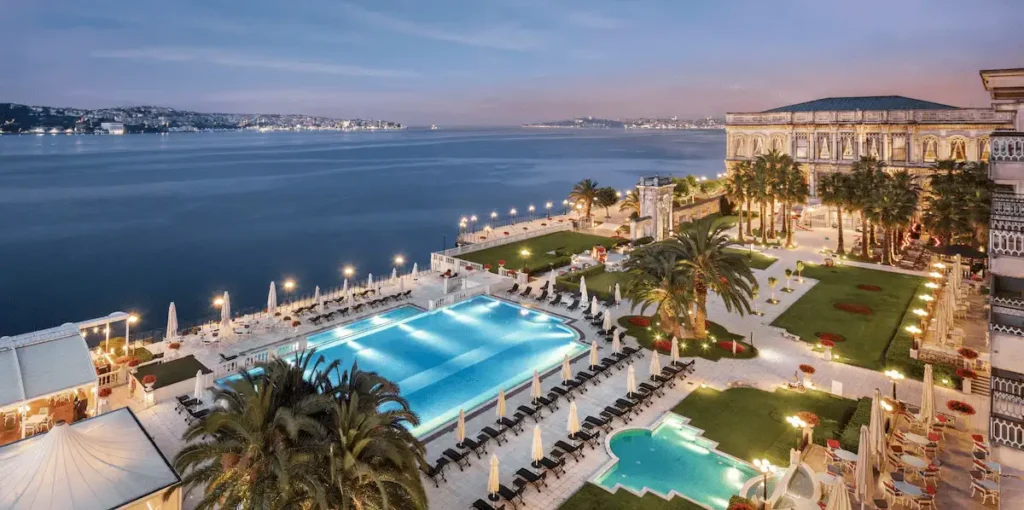
An evening view of the lighted infinity pool at Çırağan Palace Kempinski Istanbul, positioned directly along the Bosphorus shoreline with the historic 19th-century imperial palace illuminated in the background.

Çırağan Palace Kempinski Istanbul: Sleep in the Sultan’s Only Bosphorus Palace

Çırağan Palace Kempinski Istanbul stands as the only Ottoman imperial palace on the Bosphorus where modern guests occupy the same quarters once reserved for sultans. Commissioned by Sultan Abdülaziz and completed in 1871 by the Balyan family—the Ottoman Empire’s dynastic court architects—this Neo-Moorish masterpiece was constructed using 2.5 million Ottoman gold coins. Unlike Topkapı or

Çırağan Palace Kempinski Istanbul: Sleep in the Sultan’s Only Bosphorus Palace Read More »

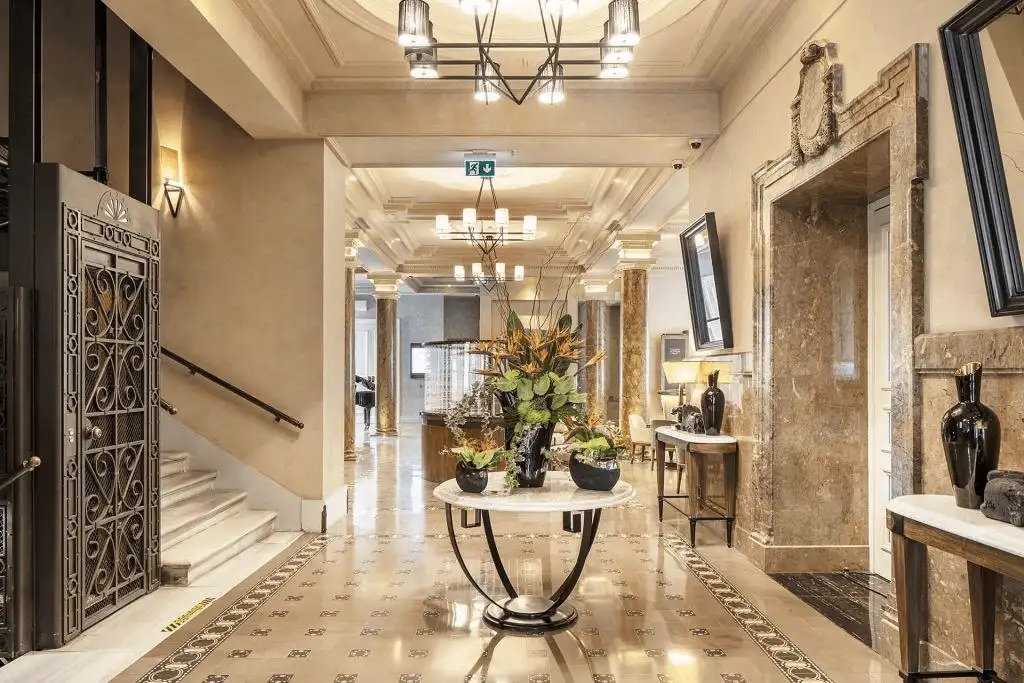
The elegant lobby of The Bank Hotel Istanbul, showcasing a beautifully restored vintage wrought-iron elevator, marble columns, and a sophisticated marble-floored hallway within the former 1867 Credit General Ottoman headquarters.

The Bank Hotel Istanbul: Where Ottoman Financial Authority Meets Design Hotels Excellence

The Bank Hotel Istanbul doesn’t offer a themed “banking experience”—it occupies the actual 1867 headquarters of Crédit Général Ottoman, the institution where European capital first penetrated the Ottoman Empire’s financial architecture. Located on Bankalar Caddesi (Banks Street), this is the address where empires negotiated debt, where Deutsche Bank later established its eastern command, and where

The Bank Hotel Istanbul: Where Ottoman Financial Authority Meets Design Hotels Excellence Read More »

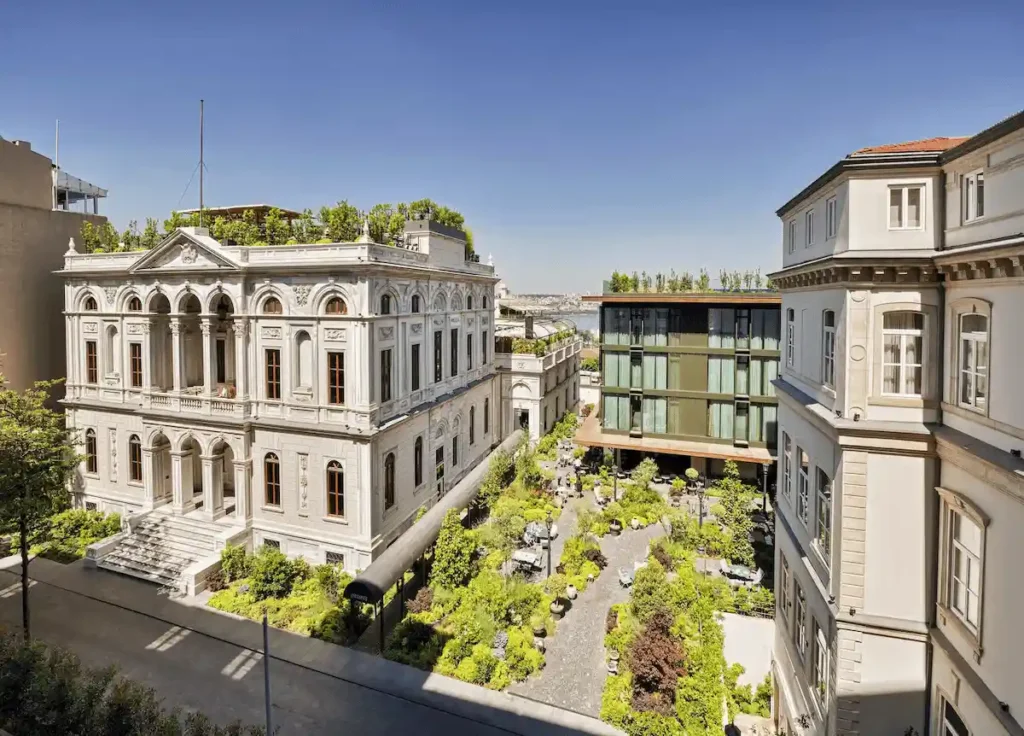
An exterior view of Soho House Istanbul, centered on the historic Palazzo Corpi, a 19th-century Genoese merchant’s mansion that served as the U.S. Embassy and Consulate before its conversion into a private members' club and luxury hotel in the Beyoğlu district.

Soho House Istanbul: Where Ottoman-Era Grandeur Meets Contemporary Power

Soho House Istanbul occupies Palazzo Corpi, an 1873 neoclassical landmark that once anchored Beyoğlu’s diplomatic quarter. Originally built as a residential palazzo for European nobility during the Ottoman Empire’s modernization era, the building commanded Istiklal Avenue when this district served as Constantinople’s western embassy row. The palazzo’s Italianate facade—commissioned during Sultan Abdülaziz’s reign—represented the architectural

Soho House Istanbul: Where Ottoman-Era Grandeur Meets Contemporary Power Read More »