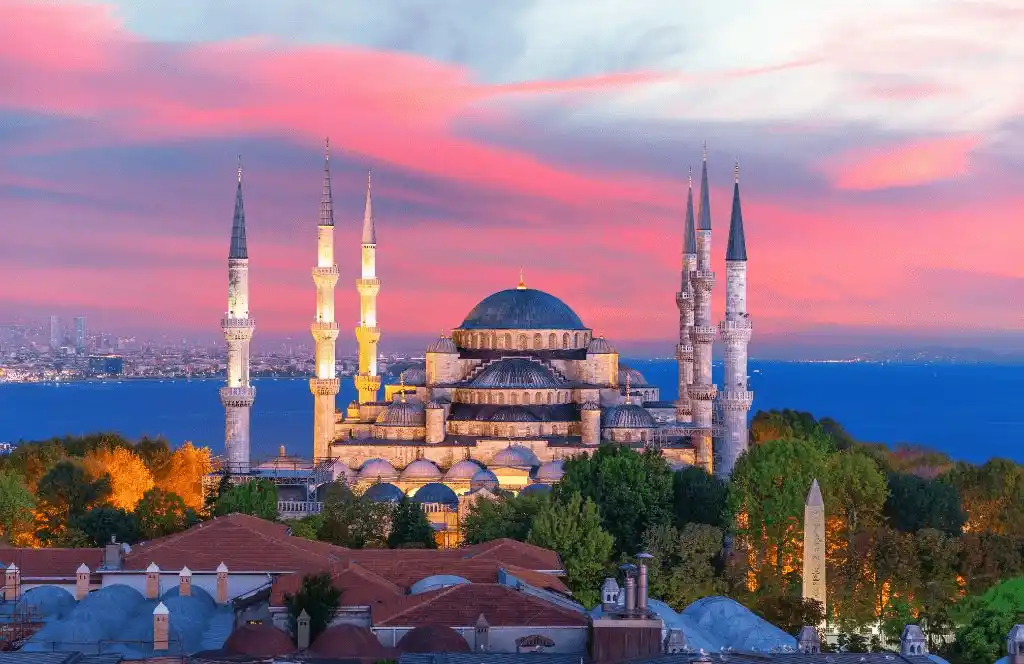
The best hotels in Istanbul are not just places to sleep—they are architectural witnesses to three empires. This city, where Byzantine mosaics meet Ottoman calligraphy and Belle Époque chandeliers hang in former embassy mansions, demands more than generic five-star rooms. Yet most travelers fall into the Luxury Paradox: high prices, marble lobbies, but zero connection to the city’s layered past.
We audited Istanbul’s entire inventory, rejecting soul-less international chains and weak renovations that erase historical identity. What remains are 20 verified landmarks—former imperial palaces, 19th-century grand hotels, and Bosphorus estates—each with a documented “Past-Life Identity.” This is not a list. It is a filtering system that guarantees your stay is inseparable from Istanbul’s architectural soul.
For a broader overview of Turkey’s heritage properties, explore our audit of the best historic hotels in Turkey.
What Qualifies as a Historic Hotel in Istanbul?
Istanbul’s hotel market is flooded with properties claiming “Ottoman elegance” or “historic charm”—most are surface-level theming over standard construction. Our audit applies strict filters:
- Verified Past-Life Identity. The building must have served a documented original function—imperial palace, diplomatic residence, trading hall, or grand hotel from the 19th-century European expansion.
- Architectural Integrity. We prioritize properties where original frescoes, hammams, or stone arcades remain visible and functional, not replicas or decorative add-ons.
- Location Authority. The property must sit within or directly adjacent to Istanbul’s most historically significant quarters: Sultanahmet’s imperial core, Beyoğlu’s cosmopolitan artery, or the Bosphorus waterfront where sultans built summer retreats. Generic luxury chains near airports or business districts were eliminated.
What survived this filter represents the city’s most compelling conversions—where sleeping inside history is the experience itself, not an amenity footnote.
Istanbul Historic Hotels by Area
🏛️ Sultanahmet: The Imperial Heart of Three Empires
Sultanahmet is where empires collided and left their signatures in stone. This peninsula, fortified by Byzantines, expanded by Ottomans, and preserved through Republican reforms, holds Istanbul’s densest concentration of UNESCO-listed monuments. The historic hotels here occupy former embassy buildings, Ottoman mansions, and Byzantine merchant houses—positioned within walking distance of Hagia Sophia, the Blue Mosque, and Topkapi Palace.
These are not tourist traps; they are residential-scale conversions where original hamam chambers become spa suites and Byzantine cistern arches frame breakfast rooms. The dominant architectural language is Ottoman neoclassicism blended with European diplomatic aesthetics—thick stone walls, interior courtyards, and hand-painted ceilings. Staying here places you inside the imperial quarter’s rhythm: morning calls to prayer echoing through your terrace, evening light casting shadows across ancient columns visible from your window.
Ottoman Mansions and Byzantine-Era Residential Conversions
- Four Seasons Hotel Istanbul at Sultanahmet – Former 1918 Ottoman prison transformed into refined neoclassical sanctuary
- Hagia Sofia Mansions Istanbul – Five historic mansions merged, overlooking Hagia Sophia and the Bosphorus
- Hotel Empress Zoe – 15th-century Byzantine residence with mosaic-adorned interiors and hammam suite
Spotlight: Four Seasons Sultanahmet occupies a former Ottoman prison built in 1918—not as punishment architecture, but as a late-imperial attempt at “reformed incarceration.” Today, original cell windows frame Hagia Sophia views, courtyard arcades host candlelit dinners, and the rooftop terrace overlooks the Blue Mosque. The conversion retains stone corridors and iron grilles as atmospheric elements, not museum pieces.
For a full audit of Sultanahmet’s imperial conversions, discover best hotels in Sultanahmet.
🎭 Beyoğlu: The Cosmopolitan Gateway of the 19th Century
Beyoğlu rose as Istanbul’s European quarter during the Ottoman Empire’s 19th-century modernization push. This is where foreign embassies, grand hotels, and trading offices clustered along the Grande Rue de Péra (now İstiklal Avenue)—creating a cultural and architectural fusion zone. The dominant building types are Belle Époque hotels, neoclassical bank headquarters, and Art Nouveau apartment blocks commissioned by European architects.
Unlike Sultanahmet’s monumental scale, Beyoğlu’s historic hotels operate at an intimate, residential density—narrow facades, high ceilings, wrought-iron balconies, and salons with original parquet floors. The neighborhood’s energy is nocturnal: galleries, rooftop bars, and live music venues activate after dark. Staying here means inhabiting the city’s cosmopolitan memory—where Agatha Christie wrote, diplomats negotiated, and Orient Express passengers transitioned between continents.
Belle Époque Grand Hotels and Neoclassical Bank Conversions
- Pera Palace Hotel – 1892 landmark built for Orient Express travelers, preserving Atatürk’s suite
- The Bank Hotel Istanbul – 1899 Ottoman Bank headquarters reimagined as opulent design hotel
- Grand Hotel de Londres – 1892 neoclassical boutique near Galata Tower with period furnishings
Spotlight: Pera Palace is not just a hotel—it’s a museum-grade artifact. Built in 1892 by architect Alexander Vallaury to host Orient Express passengers, the building retains its original Birdcage elevator (still operational), mirrored ballrooms, and Agatha Christie’s writing desk in Room 411. The lobby’s marble columns and stained-glass ceiling remain untouched, while suites blend Ottoman motifs with French Empire furniture.
Explore Beyoğlu’s full inventory of Belle Époque conversions at best hotels in Beyoğlu.
🌊 The Bosphorus: The Strategic Lifeline and Royal Summer Retreat
The Bosphorus Strait is not scenery—it’s the geographic fulcrum that made Istanbul a capital for three empires. Ottoman sultans built summer palaces (yalıs) along both shores, blending imperial grandeur with waterfront serenity. European powers established embassy compounds and residences to monitor this strategic waterway.
Today, the Bosphorus holds Istanbul’s most exclusive historic hotels—converted palaces, diplomatic mansions, and Art Deco villas positioned where Asia and Europe meet. These properties prioritize water access: private marinas, terrace dining over the strait, and hammams with floor-to-ceiling windows framing tanker traffic and historic silhouettes. The architectural language is eclectic—Ottoman baroque façades, French neoclassical interiors, and mid-century modern wings coexist. Staying here removes you from the city’s density while keeping the skyline’s domes and minarets in constant view.
Imperial Palaces and Diplomatic Waterfront Estates
- Çırağan Palace Kempinski Istanbul – 1863 Ottoman palace with marble hammam and Bosphorus infinity pool
- Four Seasons Hotel Istanbul at the Bosphorus – 19th-century Ottoman residence with terraced gardens descending to the water
- Bosphorus Palace Hotel – Late-Ottoman wooden mansion converted into intimate boutique with private dock
Spotlight: Çırağan Palace is the only Ottoman imperial palace operating as a hotel. Built in 1863 by Sultan Abdülaziz, it served as a royal residence until a 1910 fire. The 1991 restoration preserved original marble façades, Byzantine-inspired arches, and waterfront pavilions. Guests access a private marina, Ottoman-era hammam, and infinity pool cantilevered over the Bosphorus—where Asia is visible across the water during breakfast.
For a detailed breakdown of Bosphorus palace conversions, discover best hotels on Bosphorus.
📊 Comparison: City Areas—Best Hotels in Istanbul
| Area | Architectural Archetype | Period | Original Function | Signature Detail | Best For |
|---|---|---|---|---|---|
| 🏛️ Sultanahmet | Ottoman Mansions, Byzantine Residences |
15th–20th Century |
Imperial quarters, diplomatic residences |
Hammam suites, Byzantine mosaics |
First-time visitors, monument access |
| 🎭 Beyoğlu | Belle Époque Hotels, Bank Headquarters |
1890s–1920s | Grand hotels, financial institutions |
Birdcage elevators, ballrooms |
Nightlife, cosmopolitan energy |
| 🌊 Bosphorus | Imperial Palaces, Waterfront Mansions |
1860s–1910s | Royal summer retreats, embassy compounds |
Private marinas, strait-view terraces |
Serene luxury, waterfront exclusivity |
❓ FAQ: Best Hotels in Istanbul
What defines a historic hotel in Istanbul?
A historic hotel in Istanbul occupies a building with verified original use—imperial palace, Ottoman mansion, Belle Époque grand hotel, or 19th-century trading hall. The property must retain architectural integrity: original frescoes, hammams, stone arcades, or neoclassical façades integrated into the guest experience. Generic renovations that erase past-life identity are excluded from this audit.
Which area has the highest concentration of landmark hotels?
Sultanahmet holds the densest cluster of imperial-era conversions, with properties occupying former Ottoman mansions and Byzantine residences within walking distance of Hagia Sophia and Topkapi Palace. Beyoğlu offers the most Belle Époque options, concentrated along İstiklal Avenue. The Bosphorus waterfront contains fewer but more exclusive palace conversions with water access.
Are Sultanahmet hotels only for first-time visitors?
No. While Sultanahmet’s proximity to major monuments attracts newcomers, its historic hotels appeal to travelers prioritizing architectural immersion over neighborhood energy. The area quiets after sunset, making it ideal for those seeking residential-scale luxury within the imperial quarter, rather than Beyoğlu’s late-night vibrancy or the Bosphorus’s waterfront serenity.
Why is Pera Palace considered a landmark?
Pera Palace, built in 1892 by Alexander Vallaury, was designed exclusively to host Orient Express passengers transitioning between Europe and Asia. The building retains its original Birdcage elevator, mirrored ballrooms, and Agatha Christie’s preserved writing room (Room 411). It’s Istanbul’s only hotel with museum-grade artifact status, where the structure itself is the primary attraction.
What makes Bosphorus hotels more expensive?
Bosphorus properties occupy rare imperial palaces and waterfront estates with private marinas, terrace dining over the strait, and unobstructed views of both continents. These conversions involve more complex restorations due to heritage protection laws and waterfront engineering. The exclusivity premium reflects scarcity—only a handful of Ottoman palaces operate as hotels along the entire 30-kilometer strait.
Can you stay in an actual Ottoman palace?
Yes. Çırağan Palace Kempinski is the only functioning hotel inside a 19th-century Ottoman imperial palace. Built in 1863 by Sultan Abdülaziz, it operated as a royal residence until a 1910 fire. The 1991 conversion preserved marble façades, Byzantine-inspired arches, and waterfront pavilions. Guests access the original hammam, private marina, and Bosphorus-facing infinity pool.
Which hotels retain the most original architectural details?
Four Seasons Sultanahmet (former 1918 prison with original stone corridors and cell windows), Pera Palace (1892 grand hotel with intact elevator and ballrooms), and The Bank Hotel Istanbul (1899 Ottoman Bank headquarters with preserved vault and neoclassical façade) score highest for visible heritage integration. These properties use original elements as functional spaces, not decorative references.
Is it worth staying outside Sultanahmet and Beyoğlu?
For repeat visitors or those prioritizing serene waterfront luxury over monument density, the Bosphorus offers unmatched exclusivity. Properties like Four Seasons Bosphorus and Çırağan Palace provide private water access, terraced gardens, and panoramic strait views—removing you from the city’s crowds while keeping skyline silhouettes visible. It’s a different Istanbul experience: residential, contemplative, and architecturally distinct.
Istanbul’s Historic Hotels: Where Architecture Becomes the Itinerary
Choosing where to stay in Istanbul isn’t about balancing price and location—it’s about deciding which historical layer you want to inhabit. The 20 properties audited in Sultanahmet, Beyoğlu and Bosphorus linked posts represent the city’s most architecturally intact conversions, filtered to exclude generic luxury and surface-level theming.
Whether you’re drawn to Sultanahmet’s imperial proximity, Beyoğlu’s Belle Époque energy, or the Bosphorus’s waterfront serenity, each area offers verified landmarks where the building itself is the primary experience. Availability at palace-level properties shifts quickly during high season, and rooms with heritage features (hammam suites, terrace views, original frescoes) book months ahead.
For travelers expanding their Turkey itinerary beyond Istanbul, our audit continues with best hotels in Antalya. If imperial history and thermal culture appeal, see our analysis at best hotels in Bursa.
For more curated itineraries and luxury-focused travel insights, visit Your Luxury Guide. For official travel information and destination updates, visit Turkey tourism-info.
Booking your Istanbul hotel secures access to imperial palaces, grand hotels, and Bosphorus estates where three empires left permanent architectural signatures—spaces where history isn’t displayed, it’s inhabited.
Your Luxury Guide — Where Exceptional Travel Begins.