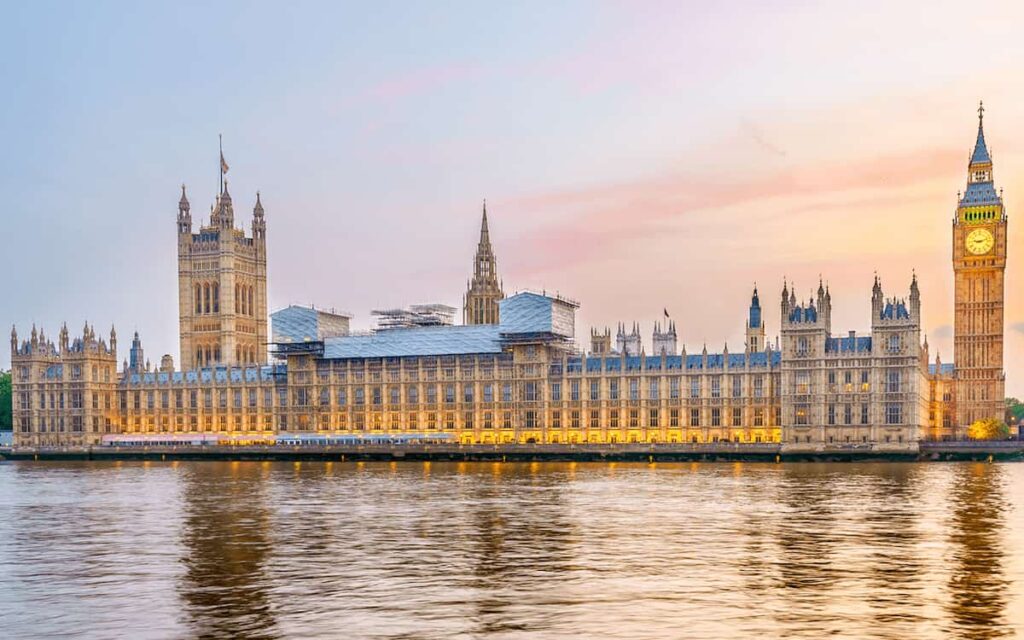
From the Neo-Gothic spires of London to the Georgian symmetry of Bath, the United Kingdom remains Europe’s unrivaled leader in historic luxury—where the building’s past life is as significant as the five-star service inside.
Choosing the best historic hotels in United Kingdom isn’t about chasing brand names; it’s about selecting properties where architecture, provenance, and location create experiences no modern build can replicate.
We filtered the United Kingdom’s most historically significant conversions—palaces that housed monarchs, banks that financed empires, and monasteries that defined centuries of culture.
Below are the stays that matter for travelers who understand that sleeping in a former War Office or a Georgian Crescent isn’t just accommodation—it’s access to the nation’s architectural soul.
Why the United Kingdom Defines Historic Luxury

The United Kingdom pioneered the concept of adaptive reuse long before it became a hospitality trend. Victorian railway stations transformed into grand hotels, Georgian townhouses reimagined as boutique sanctuaries, medieval castles converted into Relais & Châteaux properties—this is a nation that understands how to preserve architectural integrity while delivering contemporary luxury.
What separates British historic hotels from their European counterparts is the precision: every paneled library, every restored vault, every hand-carved staircase is documented, preserved, and integrated into the guest experience with obsessive attention to provenance.
The best properties aren’t simply old buildings with luxury amenities—they’re verified landmarks where the past remains visible in every architectural detail, from Portland stone facades to original stained glass windows that survived both World Wars.
How We Select United Kingdom’s Historic Hotels
Not every old building earns the “historic” designation.
Our curation process prioritizes three non-negotiable criteria: verified architectural significance (Grade I or Grade II* listed status), documented historical conversion (the building’s original purpose must add tangible luxury value), and seamless integration of past and present (heritage details must enhance, not compete with, modern comfort).
We rejected properties where “historic” meant generic Victorian styling or surface-level period decor.
The hotels below represent buildings where the structure’s former life—whether royal residence, financial headquarters, or monastic sanctuary—remains the primary reason to book, with service and amenities designed to support, not overshadow, the architecture.
Every selection underwent manual verification: we confirmed listing status, cross-referenced historical records, and evaluated how successfully each property balances preservation with luxury hospitality standards.
United Kingdom Historic Hotels by Region
🏛️ London: Imperial Heritage & Royal Grandeur
London’s historic hotels occupy a category entirely separate from standard luxury hospitality—these are buildings where British political power, financial empire, and royal authority were actually exercised, not merely symbolized.
The city’s top-tier heritage conversions concentrate in Mayfair, Westminster, and the City, where original architectural features (ministerial chambers, bank vaults, royal reception rooms) remain intact and accessible to guests.
What distinguishes London’s heritage scene from Edinburgh or Bath is scale and provenance: you’re not staying in a building that looks like a palace—you’re sleeping in the actual War Office where Churchill strategized, or the bank that financed colonial expansion, or the townhouse where aristocratic families hosted parliamentary negotiations.
Below are London’s three most significant historic conversions—properties where the building’s former life actively enhances the luxury experience rather than serving as decorative context.
Top London Historic Hotels:
- Raffles London at The OWO — The former War Office where British military command operated for over a century, now converted into Raffles’ first UK property with original ministerial suites, vaulted corridors, and Portland stone facades that define Westminster’s architectural identity.
- The Lanesborough, Oetker Collection — A Regency masterpiece originally built as St. George’s Hospital in 1719, overlooking Hyde Park Corner with interiors that reference both royal physician quarters and aristocratic Georgian townhouse design.
- The Ned — Sir Edwin Lutyens’ 1924 banking headquarters for Midland Bank, retaining the original banking hall (now a members’ club), vault dining rooms, and rooftop spaces that once housed clerical offices managing Empire finances.
For the complete London historical experience, including detailed property breakdowns, continue to our dedicated guide.
🏰 Edinburgh: Gothic Drama & Medieval Mystique
Edinburgh’s historic hotels lean heavily into Scotland’s medieval past and Romantic-era mystique—properties built directly into volcanic rock, castle conversions with battlements intact, and Jacobean mansions where Gothic Revival architecture meets Highland baronial style.
Unlike London’s imperial formality or Bath’s Georgian restraint, Edinburgh’s luxury heritage scene embraces atmospheric drama: you’re booking canopied beds in former castle chambers, dining in vaulted halls where clan gatherings occurred, and waking to views of Arthur’s Seat framed by leaded windows that predate the Act of Union.
The city’s Royal Mile and New Town offer the highest concentration of architecturally significant conversions, where historical provenance often matters more than Michelin stars or spa amenities.
Top Edinburgh Historic Hotels:
- The Balmoral Hotel — A Victorian railway hotel built in 1902 at the east end of Princes Street, crowned by the city’s most iconic clock tower (set three minutes fast to ensure train punctuality), with interiors that reference Edinburgh’s golden age of rail travel and North British Railway luxury.
- The Witchery by the Castle — A 16th-century merchant’s house positioned at the gates of Edinburgh Castle, featuring just nine theatrical suites with original stone walls, Gothic tapestries, and four-poster beds that evoke pre-Enlightenment Scotland without modern luxury compromise.
- Prestonfield House — A late-17th-century baroque mansion designed by architect Sir William Bruce, set in 20 acres of private parkland with peacocks, ornate plasterwork ceilings, and interiors that showcase Scotland’s brief flirtation with Continental opulence before Georgian austerity took hold.
Explore Edinburgh’s complete historic hotel collection, including Gothic Revival townhouses and New Town Georgian conversions.
♨️ Bath: Georgian Elegance & Regency Restraint
Bath represents British historic luxury at its most architecturally disciplined—a UNESCO World Heritage city where every significant hotel occupies a Georgian or Regency building designed according to strict Palladian principles and constructed from local honey-colored Bath stone.
Unlike London’s imperial grandeur or Edinburgh’s Gothic theatrics, Bath’s luxury historical scene prioritizes symmetry, proportion, and restraint: you’re staying in John Wood the Younger’s Royal Crescent (England’s most photographed architectural composition), or in converted Georgian townhouses where every window, every column, every facade detail adheres to 18th-century classical ideals.
What elevates Bath’s historic hotels beyond mere period architecture is the integration of the city’s original luxury asset—natural thermal springs that made Bath a Roman spa town and later a Georgian aristocratic resort.
Top Bath Historic Hotels:
- The Royal Crescent Hotel & Spa — Two Grade I listed townhouses within John Wood the Younger’s 1774 Royal Crescent, offering the only hotel accommodation inside Britain’s most iconic Georgian terrace, with period interiors, private walled gardens, and a contemporary spa fed by Bath’s thermal waters.
- The Gainsborough Bath Spa — Built around the city’s original hot springs, with three thermal pools fed by the same Roman-era aquifer that supplies the historic Baths, housed in a Georgian building complex where Victorian spa architecture meets modern wellness luxury.
- The Bath Priory — A Relais & Châteaux Hotel — A Gothic Revival mansion from 1835 set in four acres of award-winning gardens, originally built as a private residence for wealthy industrialists seeking proximity to Bath’s spa culture, now delivering Michelin-level dining and country house atmosphere within walking distance of the city center.
For detailed comparisons of Bath’s Palladian townhouses, thermal spa integrations, and Regency-era conversions.
Beyond the City: The Royal Estates & Castle Collection
📊 United Kingdom: Historic Hotels by City
| City & Top Hotel | Architectural Identity | Heritage Signature | Original Purpose | Landmark Status | Best For |
|---|---|---|---|---|---|
|
🏛️ London Raffles at The OWO ★★★★★ |
Edwardian baroque, Portland stone |
Original War Office ministerial suites |
British military headquarters (1906) |
Grade II* listed Westminster landmark |
Imperial history, political provenance |
|
🏰 Edinburgh The Balmoral ★★★★★ |
Victorian railway baronial style |
Iconic clock tower (3 min fast tradition) |
North British Railway Hotel (1902) |
Category A listed Princes Street anchor |
Gothic drama, railway nostalgia |
|
♨️ Bath Royal Crescent ★★★★★ |
Georgian Palladian, Bath stone |
Inside Royal Crescent terrace (1774) |
Aristocratic Georgian townhouses |
Grade I listed UNESCO heritage site |
Architectural purity, thermal wellness |
❓ FAQ: Best Historic Hotels in United Kingdom
Which United Kingdom’s historic hotel has the most significant historical provenance?
Raffles London at The OWO stands alone—originally constructed as the British War Office in 1906, it served as the nerve center for military operations through both World Wars, the Suez Crisis, and Cold War intelligence work until 2016. Churchill, Kitchener, and Lawrence of Arabia all worked within these walls. The conversion retained original ministerial offices, vaulted corridors where classified documents were transported, and architectural details that reference the building’s role in shaping 20th-century British history—making it the country’s most politically significant historic hotel.
What’s the difference between a true historic hotel and a luxury generic historic property?
True Historic hotels occupy buildings with verified architectural significance and documented historical function—they’re Grade I or Grade II* listed structures where the original purpose (palace, bank, monastery) remains visible and integral to the guest experience. Generic historic properties might occupy old buildings but lack formal listing status, architectural distinction, or meaningful integration of the structure’s past life. True historic hotels justify premium rates through provenance; generic historic hotels simply trade on age.
When should I book historic hotels in the United Kingdom?
Royal Crescent availability in Bath requires 6-8 months advance notice for summer stays; Edinburgh heritage properties fill completely during Festival season (August) by March; London landmark conversions like The OWO and The Ned see year-round demand from international travelers. Historic hotels operate with significantly fewer rooms than chain luxury properties—The Witchery by the Castle has just nine suites—meaning availability windows close faster than comparable five-star options. For specific seasonal events (coronations, state visits, royal weddings), historic hotels near Buckingham Palace or Westminster book 12+ months ahead.
Are United Kingdom historic hotels suitable for families?
Selectively. Properties like The Balmoral in Edinburgh and The Gainsborough Bath Spa accommodate families in larger suites and offer child-friendly amenities without compromising period atmosphere. Conversely, The Witchery by the Castle explicitly positions itself as adults-only (minimum age 5), and Raffles London at The OWO’s former ministerial suites favor couples and solo business travelers over family configurations. Heritage architecture—narrow Georgian staircases, absence of connecting rooms, no elevators in some Grade I buildings—inherently limits family practicality compared to purpose-built luxury properties.
Do historic hotels compromise on modern luxury amenities?
The best don’t—they integrate rather than retrofit. The Gainsborough Bath Spa built its thermal pool complex around the original Roman hot springs without altering the Georgian shell; Raffles London added climate control and technology infrastructure invisibly within Edwardian structural walls; The Royal Crescent installed contemporary spa facilities in underground vaults that don’t disrupt the 1774 facade. Poorly executed heritage conversions hide modern amenities in ways that compromise both historical integrity and guest comfort. Top-tier properties prove you can maintain Grade I listed status while delivering heated bathroom floors, fiber internet, and Michelin-level dining.
What makes Georgian Bath architecture unique for historic hotels?
Bath’s Georgian historic hotels represent the only complete 18th-century urban landscape surviving intact in Britain—entire terraces, crescents, and circuses built according to strict Palladian design principles using uniform Bath stone. Unlike piecemeal Georgian survivals in London or Edinburgh, Bath offers immersive architectural consistency: your hotel, the surrounding streets, and the urban planning all date to the same 50-year period (1720-1770). This unity creates heritage experiences where stepping outside your Royal Crescent suite means entering the exact streetscape Jane Austen described—an environmental authenticity impossible to replicate in cities where Georgian buildings sit isolated among Victorian and modern construction.
How do I verify a hotel’s heritage listing status?
Check the UK’s National Heritage List for England (NHLE), Historic Environment Scotland (HES), or Cadw (Wales) databases—all publicly searchable by property name or address. Grade I listings indicate buildings of “exceptional interest” (just 2.5% of listed structures qualify); Grade II* denotes “particularly important buildings of more than special interest.” Hotels claiming “heritage” status without formal listing often occupy old buildings lacking architectural or historical significance worth legal protection. Verified heritage hotels include their listing grade in property descriptions and marketing materials—if that detail is absent, the building likely doesn’t meet official heritage standards.
Choosing Your United Kingdom’s Historic Hotel
Booking the best historic hotels in the United Kingdom means understanding that architectural provenance and historical function matter more than star ratings or brand names. The properties above represent verified landmark buildings—former War Offices, Georgian crescents, Victorian railway palaces—where the structure’s documented past elevates the luxury experience beyond what any modern build can replicate.
Availability at this level changes rapidly once heritage suites are reserved, particularly for London properties near royal events and Bath accommodations during peak wellness season.
If you’re seeking historical experiences beyond England and Scotland, explore our curated guides for best historic hotels in Ireland and finest historic hotels in France, where châteaux conversions and monastery stays offer equally compelling architectural narratives.
For more curated itineraries and luxury-focused travel insights, visit Your Luxury Guide. For official travel information and destination updates, visit Britain tourism-info.
Choosing a historic hotel over standard luxury means prioritizing where history happened—not where it’s merely referenced in the decor.
Your Luxury Guide — Where Exceptional Travel Begins.