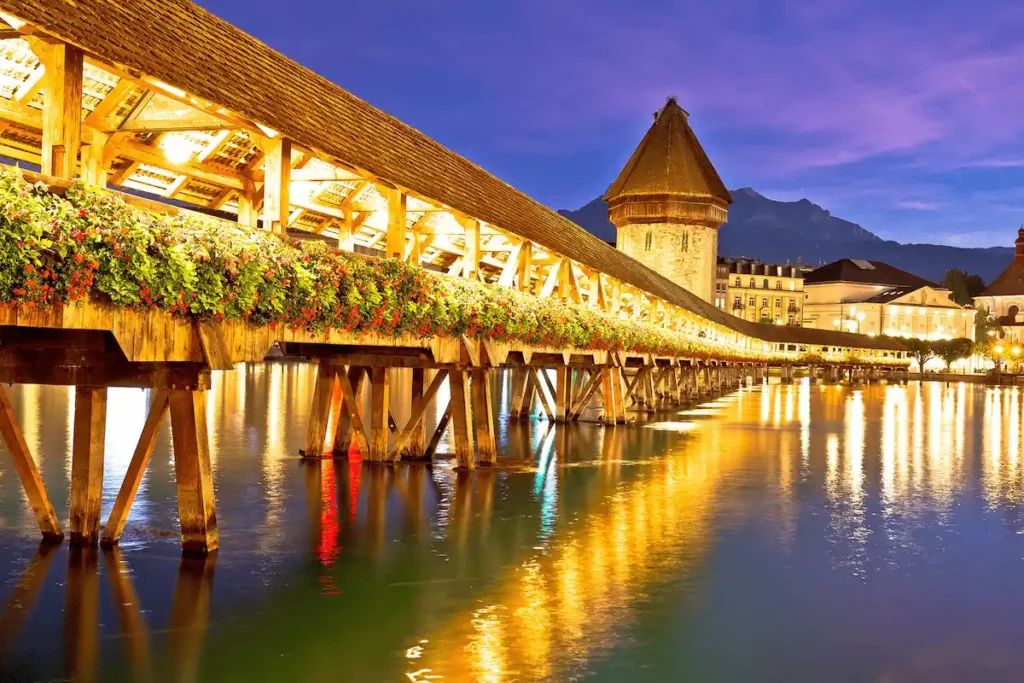
Choosing the best historic hotels in Switzerland means stepping into properties where the building itself defines the experience — former diplomatic headquarters, royal guesthouses, and 19th-century palace hotels that shaped the nation’s identity as a neutral power and birthplace of luxury tourism.
After reviewing the country’s most architecturally significant conversions, we’ve curated this guide around five cities where Switzerland’s past as a banking capital, federal seat, and Belle Époque resort destination still occupies original structures. These aren’t generic five-star properties with a historic facade — they’re verified landmark buildings where treaties were signed, banking dynasties entertained European aristocracy, and the concept of Swiss hospitality was invented.
Below are the historic hotels that deliver both architectural significance and contemporary luxury for travelers who value provenance as much as service.
What Qualifies as a Historic Hotel in Switzerland
A Swiss historic hotel must occupy a building with verified historical function — former royal palaces, state guesthouses, banking headquarters, medieval guildhalls, or Belle Époque resort landmarks constructed before 1920.
We exclude modern hotels in historic districts or properties with superficial period styling. Inclusion requires documented architectural pedigree: original structural elements (grand staircases, ballrooms, vaulted ceilings), protected landmark status, and a building narrative tied to Switzerland’s evolution as a diplomatic neutral power, financial center, or tourism pioneer.
The property must demonstrate continuous adaptive reuse rather than reconstruction, retaining spatial logic and materials from its original function. This curation filters out brand hotels occupying renovated shells and focuses exclusively on conversions where the past life of the building remains architecturally legible and central to the guest experience.
Switzerland’s Historic Hotels by Region
🕊️ Bern & Geneva: The Diplomatic & Federal Hubs
Bern and Geneva anchor Switzerland’s identity as a sovereign neutral power through buildings that served as royal guesthouses, federal government headquarters, League of Nations diplomatic residences, and aristocratic family estates where international treaties were negotiated.
These aren’t ceremonial conversions — they’re the actual structures where Swiss federalism was administered and 20th-century diplomacy conducted. The architectural language is Neo-Renaissance gravitas and Belle Époque refinement, projecting permanence and discretion rather than monarchy.
Staying here places you inside the rooms where European powers convened during both World Wars, where the Red Cross was founded, and where Switzerland’s banking secrecy culture took institutional form.
Bern’s Federal & Royal Guesthouses:
Hotel Schweizerhof Bern & Spa (1859 royal guesthouse for visiting European dignitaries), Hotel Bellevue Palace Bern (1913 federal government headquarters and diplomatic residence), and Kreuz Bern Modern City Hotel (1730 coaching inn serving Alpine trade routes).
Bern’s most significant historic property is Hotel Bellevue Palace — the only hotel built as Switzerland’s official state guesthouse, where federal councils convened and visiting heads of state negotiated during both World Wars.
- Discover Bern’s federal government seats and diplomatic headquarters.
Geneva’s Diplomatic & Aristocratic Lakefront Palaces:
Beau-Rivage Genève (1865 aristocratic residence where Empress Elisabeth of Austria was assassinated), Four Seasons Hotel des Bergues Geneva (1834 banking dynasty headquarters overlooking Lake Geneva), and The Ritz-Carlton Hotel de la Paix, Geneva (1865 League of Nations diplomatic headquarters).
Geneva’s most defining historic hotel is Beau-Rivage Genève — the lakefront palace where European aristocracy stayed during diplomatic summits, retaining original 19th-century salons where the Geneva Conventions were debated.
- Explore Geneva’s aristocratic lakefront palaces and League of Nations residences in the Best Hotels in Geneva.
🏦 Zurich & Basel: The Banking & Mercantile Capitals
Zurich and Basel represent Switzerland’s financial soul through converted banking headquarters, medieval trade guildhalls, and Rhine-side aristocratic mansions built during the height of Swiss mercantile dominance. These properties occupy the actual boardrooms and private residences where Zurich’s banking dynasties financed European industrialization and Basel’s pharmaceutical elite controlled transatlantic trade.
The distinction is institutional: these aren’t royal palaces — they’re private wealth structures designed for discretion, not display. The architecture is Neo-Renaissance permanence and medieval guild solidity, asserting banking secrecy and merchant power through limestone facades and vaulted banking halls.
Staying here places you inside the rooms where Swiss banking culture was codified and generational fortunes quietly managed.
Zurich’s Banking Dynasty Headquarters & Guildhall Conversions:
Baur au Lac (1844 private family estate serving Zurich’s banking elite), Widder Hotel – Zurich’s Luxury Hideaway (medieval guildhall complex with eight interconnected 14th-century townhouses), and Storchen Zürich – Lifestyle Boutique Hotel (1357 guildhall overlooking Limmat River where Zurich’s merchant elite convened).
Zurich’s most architecturally significant historic hotel is Widder Hotel — the only property occupying an entire medieval guildhall quarter, retaining original Gothic vaulted ceilings and stone staircases where trade agreements were signed.
- Explore Zurich’s banking dynasty headquarters and medieval guildhalls in the Best Hotels in Zurich.
Basel’s Rhine Merchant Palaces & Pharmaceutical Elite Estates:
Grand Hotel LES TROIS ROIS (1681 aristocratic residence where Napoleon and Voltaire stayed), Krafft Basel (1873 Rhine-side merchant villa), and Hotel Euler Basel (1865 banking headquarters near Basel SBB).
Basel’s most defining historic property is Grand Hotel LES TROIS ROIS — the Rhine palace where European royalty lodged during Basel Council negotiations, retaining original 17th-century ceremonial rooms.
- Discover Basel’s Rhine merchant palaces and pharmaceutical elite estates in the Best Hotels in Basel.
⛰️ Lucerne: The Belle Époque Resort Icon
Lucerne stands alone as the birthplace of Swiss tourism — the absolute concentration of 19th-century palace hotels that invented the concept of Alpine luxury hospitality. These properties aren’t conversions from other functions — they were purpose-built as grand hotels during the Belle Époque era when European aristocracy first traveled to Switzerland for leisure rather than diplomacy. The architectural language is palace-scale Neo-Renaissance grandeur and lakefront monumentality, designed to rival royal residences rather than function as them.
Staying here places you inside the rooms where Swiss tourism was codified as an industry, where Wagner composed operas, and where the world’s wealthiest families established the tradition of Alpine resort seasons.
Lucerne’s Original Palace Hotels & Tourism Pioneers:
Hotel Schweizerhof Luzern (1845 lakefront palace hotel serving Europe’s first luxury tourists), Mandarin Oriental Palace, Luzern (1906 Belle Époque palace with original Art Nouveau interiors), and Grand Hotel National Luzern (1870 lakefront monument defining Swiss resort architecture).
Lucerne’s most architecturally significant historic hotel is Grand Hotel National Luzern — the only property that functioned as Europe’s first purpose-built luxury resort, where the Belle Époque tourism model was established and Alpine hospitality standards codified.
- Discover Lucerne’s Belle Époque palace hotels and tourism pioneer landmarks in the Best Hotels in Lucerne.
Stay in Swiss Castle Icons
📊 Regional Comparison: Historic Cities in Switzerland
| Region | Architectural Archetype | Period | Original Function | Signature Detail | Best For |
|---|---|---|---|---|---|
|
Bern Geneva |
Federal government headquarters, diplomatic residences |
1834–1913 | Royal guesthouses, League of Nations HQ |
Neo-Renaissance state rooms, treaty negotiation salons |
Diplomatic heritage, neutral power history |
|
Zurich Basel |
Banking headquarters, medieval guildhalls |
1357–1873 | Merchant trade guilds, banking dynasty estates |
Gothic vaulted ceilings, banking hall conversions |
Financial history, mercantile architecture |
| Lucerne | Belle Époque palace hotels | 1845–1906 | Purpose-built luxury resorts, tourism pioneers |
Art Nouveau interiors, lakefront monumentality |
Alpine resort heritage, tourism birthplace |
❓ FAQ: Best Historic Hotels in Switzerland
What defines a historic hotel in Switzerland?
A Swiss historic hotel must occupy a verified landmark building with documented historical function — former royal palaces, federal government headquarters, banking dynasty estates, medieval guildhalls, or Belle Époque resort pioneers constructed before 1920. The structure must retain original architectural elements like grand staircases, ballrooms, vaulted ceilings, and spatial logic from its past life. Modern hotels in historic districts or properties with superficial period styling don’t qualify. Examples include Bellevue Palace Bern (federal state guesthouse) and Grand Hotel National Luzern (Belle Époque tourism birthplace).
Which Swiss city has the most significant historic hotel collection?
Lucerne holds the most concentrated collection of Belle Époque palace hotels — properties that weren’t converted from other functions but purpose-built as grand luxury resorts between 1845 and 1906. Geneva offers the strongest diplomatic heritage through former League of Nations headquarters and aristocratic lakefront palaces like Beau-Rivage Genève. Zurich dominates banking heritage with converted guildhalls and financial dynasty estates. Each city represents a different chapter of Swiss architectural history rather than competing for “most important.”
Are Swiss historic hotels more expensive than standard luxury properties?
Rates at landmark historic hotels like Baur au Lac Zurich or Beau-Rivage Genève typically exceed comparable five-star properties due to architectural significance, protected landmark status, and limited room inventory in verified historic structures. The premium reflects exclusive access to buildings where Swiss banking dynasties entertained or European diplomacy was conducted. Travelers prioritizing provenance over amenities will find the architectural narrative justifies higher rates — those seeking modern luxury without historical context will find better value elsewhere.
Can you stay in the same room where historical events occurred?
Many Swiss historic hotels retain original salons, state rooms, and suites where documented events took place. Beau-Rivage Genève preserves the suite where Empress Elisabeth of Austria stayed before her assassination. Bellevue Palace Bern maintains federal council chambers where Swiss neutrality was administered during both World Wars. Hotel des Bergues Geneva retains banking halls where Geneva’s financial elite managed 19th-century fortunes. Room assignments vary, but properties with landmark status typically highlight which spaces held historical significance.
What’s the difference between Alpine resort heritage and diplomatic heritage?
Alpine resort heritage centers on Lucerne’s Belle Époque palace hotels — purpose-built luxury properties that invented Swiss tourism as an industry and codified Alpine hospitality standards. Diplomatic heritage, concentrated in Bern and Geneva, occupies former government headquarters, royal guesthouses, and League of Nations residences where Swiss neutrality was institutionalized. Resort properties emphasize lakefront grandeur and Art Nouveau design; diplomatic conversions prioritize Neo-Renaissance state rooms and treaty negotiation salons. Both represent Swiss architectural history through different lenses.
Are Swiss historic hotels suitable for business travelers?
Properties like Bellevue Palace Bern and Hotel des Bergues Geneva function as both historic landmarks and modern business hotels, offering full meeting facilities, high-speed connectivity, and proximity to financial districts. Medieval guildhall conversions like Widder Hotel Zurich retain atmospheric dining spaces popular for corporate entertainment. Belle Époque resort palaces in Lucerne cater more to leisure tourism and may lack dedicated business centers. Travelers requiring conference infrastructure should prioritize Zurich and Geneva banking conversions over Alpine resort properties.
How do Swiss heritage hotels preserve historical integrity while meeting modern standards?
Swiss landmark regulations require historic hotels to maintain original architectural elements — grand staircases, ballrooms, vaulted ceilings — while integrating contemporary amenities through reversible interventions. Properties like Grand Hotel National Luzern retained Belle Époque facades and public salons but reconfigured back-of-house systems for modern HVAC and plumbing. Widder Hotel Zurich preserved eight interconnected medieval townhouses’ Gothic structure while inserting contemporary guestrooms within original stone walls. This approach maintains spatial authenticity without sacrificing comfort, though room layouts may feel irregular compared to purpose-built modern hotels.
Choosing the Right Swiss Historic Stay
Booking a historic hotel in Switzerland secures access to properties where the building’s past life remains architecturally legible — former diplomatic headquarters, banking dynasty estates, and Belle Époque tourism pioneers that shaped the nation’s identity as a neutral power and luxury hospitality birthplace. The properties grouped above represent the most consistently refined conversions for travelers who prioritize provenance and architectural significance over generic five-star amenities.
Discover historic properties across neighboring countries in our guide to authentic historic hotels in France. Continue exploring banking and aristocratic conversions in the best historic hotels in Germany.
For more curated itineraries and luxury-focused travel insights, visit Your Luxury Guide. For official travel information and destination updates, visit Switzerland tourism-info.
Booking your Swiss historic hotel places you inside the rooms where European diplomacy, banking dynasties, and Alpine tourism were institutionalized — access to landmark buildings that defined Switzerland’s evolution as a sovereign power and luxury hospitality pioneer.
Your Luxury Guide — Where Exceptional Travel Begins.