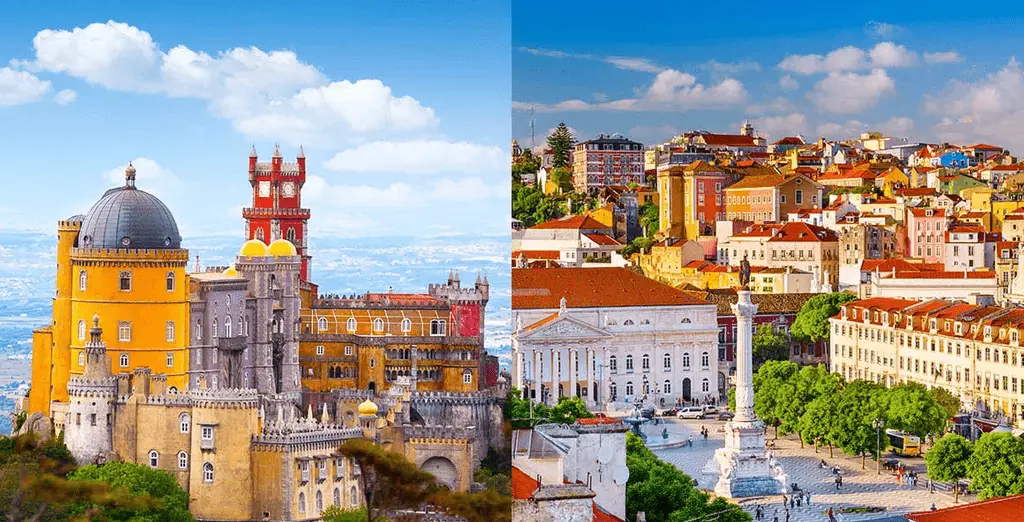
Best historic hotels in Portugal collection represents one of Europe’s most architecturally intact networks of converted royal estates, convents, and Pombaline palaces—properties where azulejo tilework, Manueline vaulting, and neoclassical symmetry reflect centuries of maritime wealth and ecclesiastical power. Unlike Spain’s paradores or Italy’s palazzo conversions, Portuguese historic hotels retain a distinctly Atlantic identity: salt-weathered stone, gilded chapels, and gardens designed for contemplation rather than spectacle.
After evaluating the country’s most significant conversions—from Lisbon’s imperial townhouses to Évora’s cloistered monasteries—we’ve identified the properties that justify premium rates through verified architectural pedigree, not brand repositioning.
Below are the historic stays that deliver access to Portugal’s aristocratic and monastic past without sacrificing modern luxury standards.
What Qualifies as a Historic Hotel in Portugal
Portugal’s heritage hotel classification centers on three architectural hierarchies: Pousadas (state-owned conversions of castles, convents, and palaces), Private Palace Conversions (aristocratic estates transformed into boutique properties), and Verified National Monuments (protected buildings with legal landmark status).
A legitimate historic hotel in Portugal must demonstrate documented pre-20th-century construction, retain original architectural elements (azulejo panels, stone vaulting, cloisters), and occupy a building with verified historical function—royal residence, monastic order, or noble estate.
Unlike generic “historic” hotels, these properties integrate modern luxury within structures protected by IGESPAR (Institute for Architectural Heritage Management), ensuring renovations preserve original character. This isn’t about age alone—it’s about verified architectural soul that makes the building itself the primary reason for booking.
Portugal’s Historic Hotels by Region
🌊 Lisbon – The Imperial Gateway
Lisbon’s historic hotels occupy former royal estates, Pombaline reconstruction palaces, and Manueline-era noble residences—properties where the city’s identity as the Age of Discovery capital shaped both architectural ambition and spatial hierarchy.
These conversions retain the grandeur of imperial Portugal: limestone colonnades that reference earthquake-resistant Pombaline design, Manueline twisted columns that echo maritime rope, and azulejo-paneled salons where 18th-century aristocrats hosted foreign diplomats.
Staying in a Lisbon historic hotel means occupying the architectural tension between old-world maritime ambition and Enlightenment-era urban planning—spaces that feel both monumental and orderly, excessive and rational.
The standout detail across Lisbon’s conversions is the use of Portuguese limestone and azulejo tiles, materials that survived the earthquake and became symbols of the city’s architectural resilience.
Lisbon’s Palace & Townhouse Conversions:
Solar do Castelo (18th-century noble residence within castle walls), Pousada de Lisboa (former Ministry of Interior with neoclassical facade), and Pestana Palace (19th-century aristocratic estate designated National Monument).
Solar do Castelo is the standout—occupying Alfama’s medieval fabric with original Pombaline detailing intact, offering spatial intimacy rare in Lisbon’s grander conversions.
- Explore Lisbon’s Pombaline palaces and Manueline merchant estates in our Lisbon Historic Guide.
🍷 Porto – The Granite Merchant Palaces
Porto’s historic hotels occupy former merchant palaces, banking headquarters, and wine trade estates—properties where 19th-century azulejo-clad facades, granite colonnades, and wrought-iron balconies defined the city’s architectural identity as the commercial engine of northern Portugal.
These conversions were built for wealth, and that mercantile confidence still defines the interiors: vaulted cellars that once stored Port casks, trading halls now serving as chandelier-lit dining rooms, and marble staircases designed to impress business partners, not kings.
The signature detail across Porto’s heritage properties is the use of blue-and-white azulejo panels, which weren’t decorative—they were status markers, proof that the building’s original owner had trade connections to import tile-making expertise from Seville and Delft.
Porto’s Baroque & Neoclassical Conversions:
Pestana Palácio do Freixo (18th-century Baroque palace with original chapel), InterContinental Porto (former Cardosas Palace in financial district), and NEYA Porto Hotel (converted textile factory with industrial heritage).
Palácio do Freixo is the architectural standout—occupying a riverfront estate designed by Nicolau Nasoni, Porto’s most significant Baroque architect, with unobstructed Douro views and original sacristy intact.
- Discover Porto’s granite merchant palaces and Belle Époque banking conversions in our Porto Historic Collection.
🌙 Sintra – Romanticist Palaces & Royal Estates
Sintra’s historic hotels occupy 18th-century neoclassical palaces, 14th-century royal monasteries, and 19th-century Romantic estates—properties where UNESCO-protected architecture, misty hillside settings, and Portugal’s aristocratic retreat culture shaped building design and spatial orientation.
These conversions retain the otherworldly atmosphere that made Sintra a favored escape for royalty and Romantic poets: walled gardens with hidden grottos, Gothic Revival towers visible from kilometers away, and neoclassical salons designed to frame mountain views through floor-to-ceiling windows.
The signature detail across Sintra’s conversions is the use of Gothic Revival and neoclassical facades side by side, reflecting the 19th-century Romantic movement’s obsession with layering architectural styles to create emotional complexity.
Sintra’s Palace & Monastery Conversions:
Valverde Sintra Palácio de Seteais (1787 neoclassical palace with royal banquet hall), Penha Longa Resort (14th-century monastery estate), and Lawrence’s Hotel (Lord Byron’s documented residence).
Palácio de Seteais is the definitive choice—occupying the only palace in Sintra with a triumphal arch connecting two symmetrical wings, positioned to frame Moorish Castle views through formal Italian gardens.
- Uncover Sintra’s Romantic palaces and royal monastery conversions in our Sintra Historic Escape.
⛪ Évora – The Monastic Heartland
Évora’s historic hotels occupy former convents, monastery cloisters, and noble agricultural estates—properties where Roman ruins, Gothic vaulted corridors, and white-washed Alentejo simplicity define the city’s architectural identity as Portugal’s monastic, intellectual center and UNESCO World Heritage site.
These conversions retain the spatial austerity that defined religious life: cloister courtyards designed for contemplation, refectory halls now serving as vaulted dining rooms, and Gothic chapels preserved as event spaces or spa sanctuaries.
The signature detail across Évora’s conversions is the use of whitewashed walls and exposed stonework, materials that reference both Roman heritage and Cistercian monastic minimalism.
Évora’s Convent & Monastery Conversions:
Pousada Convento de Évora (15th-century Lóios Convent within Roman Temple walls), Convento do Espinheiro (15th-century Gothic monastery with original cloister), and Pousada Convento de Vila Viçosa (16th-century convent in marble town).
Convento de Évora is the most architecturally significant—occupying the only convent in Portugal built directly adjacent to a Roman temple, with cloistered courtyard and azulejo-lined chapel intact.
- Experience Évora’s monastic cloisters and noble estate conversions in our Évora Monastic Collection.
Stay in Portugal’s Castle Hotels
📊 Regional Comparison: Historic Cities in Portugal
| Region | Architectural Archetype | Period | Original Function | Signature Detail | Best For |
|---|---|---|---|---|---|
| 🌊 Lisbon | Pombaline Palace & Aristocratic Estate |
18th–19th Century | Noble Residence & Ministry HQ |
Neoclassical symmetry, azulejo salons |
Imperial grandeur, urban sophistication |
| 🍷 Porto | Baroque Merchant Palace |
18th Century | Wine Trade Aristocracy Estate |
Granite facades, Douro terraces |
Riverside elegance, wine culture immersion |
| 🌙 Sintra | Neoclassical Royal Palace |
18th Century | Royal Summer Residence |
Romantic gardens, mountain vistas |
Romantic escapes, UNESCO landscapes |
| ⛪ Évora | Gothic Convent & Monastery |
15th–16th Century | Monastic Order Headquarters |
Cloistered courtyards, original chapels |
Monastic tranquility, Alentejo isolation |
❓ FAQ: Best Historic Hotels in Portugal
What defines a historic hotel in Portugal versus a standard luxury hotel?
A historic hotel in Portugal is a verified architectural conversion where the building’s original function (monastery, palace, convent, banking headquarters) shaped its layout, ornamentation, and spatial identity in ways that remain intact today. These aren’t hotels styled like historic—they are history, retaining Gothic cloisters, Pombaline colonnades, or Manueline vaulted ceilings as functional guest spaces. Pousada Convento de Évora, for example, preserves 15th-century convent corridors and chapels as suites and event spaces, offering architectural legibility standard luxury hotels cannot replicate.
Which Portuguese city offers the best historic hotel experience?
Lisbon offers the most architecturally diverse historic hotels, balancing Pombaline reconstruction grandeur with Manueline Age of Discovery details. Solar do Castelo and Pestana Palace Lisboa represent two distinct heritage archetypes—medieval intimacy versus 19th-century Romantic excess—within the same city. For monastic minimalism, Évora’s converted convents deliver spatial austerity that defines Portugal’s religious architectural tradition.
Are pousadas the only historic hotel option in Portugal?
No—while Portugal’s state-run pousadas (Pousada Convento de Évora, Pousada de Lisboa) represent many of the country’s most significant conversions, private heritage hotels like Pestana Palácio do Freixo (Porto) and Valverde Sintra Palácio de Seteais offer equally verified architectural provenance with independent management. Both pousadas and private conversions must meet heritage preservation standards, but pousadas prioritize accessibility while private properties often offer higher service-to-guest ratios.
What’s the difference between a Portuguese palace hotel and a monastery conversion?
Palace hotels (Pestana Palace Lisboa, Valverde Sintra Palácio de Seteais) were built for aristocratic display—expect grand staircases, formal gardens, and ornamental excess designed to impress. Monastery conversions (Pousada Convento de Évora, Convento do Espinheiro) were built for spiritual contemplation—expect vaulted cloisters, whitewashed simplicity, and spatial restraint. Both are heritage, but palaces prioritize visual drama while monasteries prioritize architectural calm.
Which heritage hotel in Portugal offers the most intact original architecture?
Pousada Convento de Évora retains the most complete 15th-century Gothic cloister, refectory, and chapel, with minimal modern intervention beyond guest room installations. Valverde Sintra Palácio de Seteais preserves the most theatrical 18th-century neoclassical facade and symmetrical garden design, offering architectural legibility rare in heavily renovated conversions.
How do Portuguese historic hotels compare to Spanish paradores?
Both systems convert monasteries, castles, and palaces into state-managed hotels, but Portuguese pousadas prioritize neoclassical and Manueline architecture (reflecting Age of Discovery identity), while Spanish paradores emphasize Moorish and Reconquista fortress conversions. Portuguese historic hotels tend toward azulejo-tiled interiors and limestone facades; Spanish paradores lean toward Mudéjar tilework and stone fortifications.
When is the best time to book a historic hotel in Portugal?
Historic hotels in Lisbon, Porto, and Sintra see highest demand during spring (April–May) and early autumn (September–October) when weather favors architectural exploration. Évora’s heritage properties remain accessible year-round but peak during Alentejo harvest season (September). Booking 60–90 days ahead secures preferred suites in high-demand conversions like Pestana Palácio do Freixo and Valverde Sintra Palácio de Seteais, especially for properties with limited room counts.
Portugal’s Most Architecturally Distinguished Historic Hotels
Booking the best historic hotels in Portugal isn’t about staying somewhere old—it’s about securing access to properties where the building’s aristocratic or monastic past defines the luxury experience more than brand positioning or modern amenities.
The conversions above represent Portugal’s most architecturally intact landmark hotels, properties where verified National Monument status, original structural elements, and documented historical function justify premium rates through architectural substance rather than marketing narrative.
For travelers comparing heritage options across Southern Europe, explore the best heritage hotels in Spain and landmark hotels in France.
For more curated itineraries and luxury-focused travel insights, visit Your Luxury Guide. For official travel information and destination updates, visit Portugal tourism-info.
Booking your heritage hotel in Portugal secures access to properties where centuries of maritime empire wealth and ecclesiastical architecture remain functionally preserved—conversions that position the building itself as the destination, not merely the accommodation.
Your Luxury Guide — Where Exceptional Travel Begins.