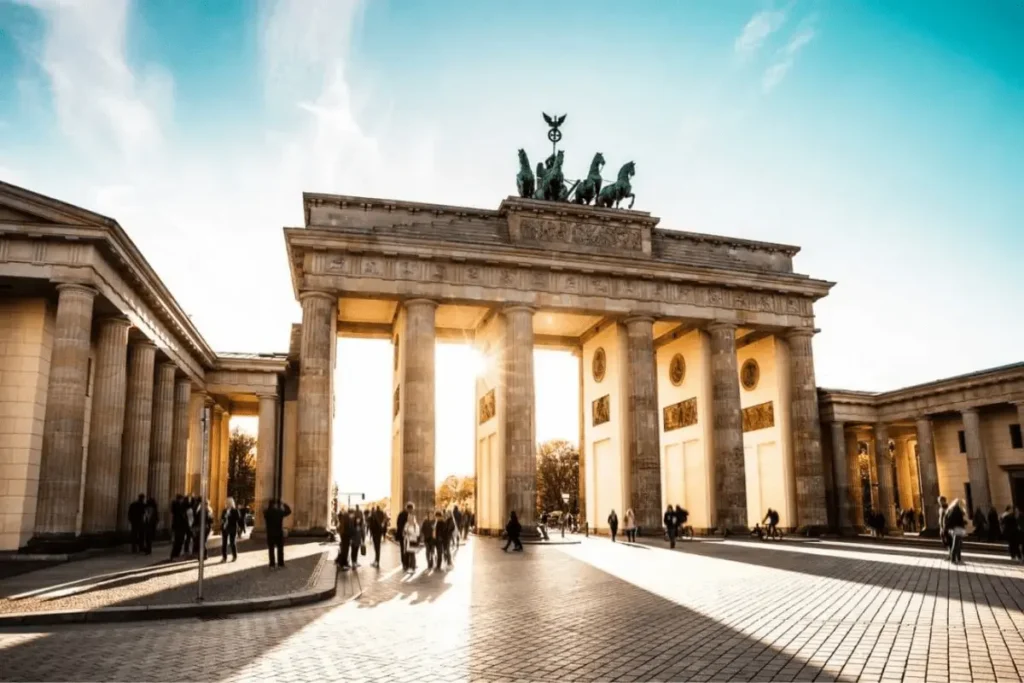
Best Historic Hotels in Germany occupy the most powerful institutional buildings in European history—Prussian royal palaces, Hanseatic banking headquarters, and Weimar-era government ministries that shaped continental diplomacy for three centuries. These aren’t boutique conversions of minor manor houses; they’re the actual seats of imperial authority, maritime commerce, and academic prestige where Europe’s political and financial architecture was written.
After reviewing Germany’s entire heritage landscape, we’ve identified the country’s most architecturally significant conversions—properties where the building’s institutional past justifies the premium over standard luxury chains. Below are the stays that position you inside Germany’s defining monuments, not merely near them.
What Qualifies as a Historic Hotel in Germany
Germany’s historic hotels don’t rely on “historic ambiance”—they’re verified institutional conversions where the building’s original function shaped European governance, finance, or diplomacy.
Our selection criteria demand architectural documentation proving the property served as a royal residence, national government building, banking headquarters, or ecclesiastical seat of power.
Every hotel must retain its original façade, monumental public spaces (grand staircases, ballrooms, or banking halls), and protected architectural elements recognized by German heritage authorities. Surface-level restorations of generic 19th-century buildings don’t qualify—the structure must have commanded institutional authority in its era.
What separates Germany’s heritage portfolio from the rest of Europe is Prussian precision: these buildings weren’t just symbols of power; they were the operational headquarters where that power was administered.
Germany’s Historic Hotels by Region
🏛️ Berlin: The National Heart
Berlin’s historic hotels occupy the institutional core of Prussian statecraft — former banking headquarters, telegraph offices, and diplomatic residences where the German Empire was administered. These aren’t nostalgic conversions; they’re the nerve centers of 19th-century European power, positioned along Unter den Linden and Pariser Platz.
The distinction is governmental: these properties housed the financial and diplomatic mechanisms that unified Germany and projected imperial authority across Europe.
Staying here places you inside buildings that shaped modern German identity.
Berlin’s Prussian & Weimar Government Conversions:
Hotel Adlon Kempinski Berlin (1907) sits on Unter den Linden, the ceremonial axis of Prussian Berlin, where Kaiser Wilhelm II hosted European royalty before the empire collapsed. Hotel De Rome (1889) converted the Dresdner Bank headquarters—the financial nerve center that funded German industrialization and colonial expansion. Telegraphenamt (1916) preserved the Reich’s central telegraph headquarters, where government communications were routed during the Weimar Republic and Nazi regime.
Berlin’s most significant heritage asset is Hotel Adlon Kempinski—the only property that functioned as the social headquarters of the German Empire, rebuilt with original plans after near-total destruction in 1945.
- Discover Berlin’s Prussian government conversions and imperial banking palaces.
👑 Munich & Dresden: The Royal & Imperial Residences
Munich and Dresden anchor Germany’s royal heritage through Bavarian Wittelsbach and Saxon Wettin dynasty properties—aristocratic hunting lodges, royal stables, and summer palaces designed to project monarchical permanence.
Unlike Berlin‘s institutional conversions, these are residential power structures: estates where kings hosted European nobility, military campaigns were planned, and dynastic marriages cemented alliances. The architectural language is Baroque permanence, not Gothic romanticism—asserting divine-right sovereignty through column density and gilded ceiling programs.
Munich’s Bavarian Royal & Aristocratic Seats:
Hotel Bayerischer Hof (1841 royal guesthouse serving visiting dignitaries), Vier Jahreszeiten Kempinski München (1858 aristocratic salon), and Rocco Forte The Charles Hotel (former Wittelsbach royal stables complex transformed into medical academy).
Munich’s most significant historic hotel is Hotel Bayerischer Hof—the aristocratic residence where Bavarian high society convened during the kingdom’s final decades, later hosting Allied command after WWII. The property retains original 19th-century ballrooms where royal decrees were announced and Wittelsbach dynasty marriages celebrated.
- Explore Munich’s Bavarian royal residences and aristocratic palaces in the Best Historic Hotels Munich.
Dresden’s Saxon Royal & Reconstructed Palaces:
Hotel Taschenbergpalais Kempinski (1708 Augustus the Strong’s palace for Countess Cosel), Schloss Hotel Dresden Pillnitz (Saxon summer residence on the Elbe with chinoiserie pavilions), and Hotel Schloss Eckberg (1861 neo-Gothic manor built for English merchant John Daniel Souchay).
Dresden’s most significant historic hotel is Hotel Taschenbergpalais Kempinski—the only property built as a royal palace for Augustus the Strong’s mistress, later serving as Saxon court headquarters until 1945 firebombing. Its 2000 reconstruction used original Baroque plans, retaining ceremonial staircases and throne room foundations.
- Discover Dresden’s Saxon royal seats and Baroque palace conversions in the Best Historic Hotels Dresden.
⚓ Hamburg: The Hanseatic & Maritime Grandeur
Hamburg’s historic hotels are anchored in the city’s 800-year identity as a Hanseatic free city and Europe’s wealthiest port. These properties occupy former merchant banking headquarters, maritime trading houses, and aristocratic villas built during the height of global shipping dominance.
The distinction is mercantile: Hamburg’s elite didn’t rule through monarchy — they controlled through commerce, and these buildings are where transatlantic trade routes were financed and executed.
Staying here places you inside the boardrooms where Hamburg’s merchant princes built fortunes rivaling royal courts.
Hamburg’s Atlantic Trade Headquarters & Merchant Guild Palaces:
Hotel Atlantic Hamburg (1909) opened as the city’s grand hotel for transatlantic shipping magnates, its Edwardian ballrooms hosting the elite who controlled North Sea trade. Fairmont Hotel Vier Jahreszeiten (1897) originally served as the aristocratic residence where Hanseatic banking families negotiated with European royalty. Fraser Suites Hamburg (1910) converted the former Oberpostdirektion—Hamburg’s central postal and telegraph headquarters that coordinated the city’s global communications network.
Hamburg’s most significant heritage hotel is Fairmont Hotel Vier Jahreszeiten—the only property that functioned simultaneously as a private palace and the social headquarters of Hanseatic maritime power, where shipping fortunes were built over Alster-view dinners.
- Explore Hamburg’s Hanseatic trading headquarters and maritime banking palaces in the Best Historic Hotels Hamburg.
🏦 Frankfurt & Cologne: The Institutional & Financial Titans
Frankfurt and Cologne represent Germany’s financial and ecclesiastical power axes—one built on Rothschild banking dynasties and Holy Roman imperial elections, the other on 2,000 years of Catholic authority and Rhineland trade routes.
Heritage hotels here aren’t residences; they’re institutional headquarters: banking villas where European finance was orchestrated, Gothic cathedrals’ shadow properties, and Schloss estates serving imperial electors. The distinction is systemic influence—these buildings didn’t house royalty; they housed the financiers and bishops who controlled royal purse strings.
Frankfurt’s Banking Dynasties & Rothschild Estates:
Steigenberger Icon Frankfurter Hof (1876 grand hotel for European bankers), Schlosshotel Kronberg (1894 royal palace built for Empress Victoria), and Villa Rothschild (1894 Rothschild family estate).
Frankfurt’s most significant heritage hotel is Villa Rothschild—the actual family residence of the Rothschild banking dynasty, where European financial strategy was coordinated before serving as Allied headquarters post-1945. The property retains original salons where gold standard policies and state loans were negotiated.
- Access Frankfurt’s financial titan conversions and Rothschild banking estates in the Best Historic Hotels Frankfurt.
Cologne’s Ecclesiastical & Old-World Mercantile Seats:
Althoff Grandhotel Schloss Bensberg (1711 baroque pleasure palace), Excelsior Hotel Ernst am Dom (1863 cathedral-adjacent grand hotel), and THE QVEST hideaway (1900 city archive building).
Cologne’s most significant historic hotel is Althoff Grandhotel Schloss Bensberg—the only property commissioned by a prince-elector (Johann Wilhelm II) as a hunting palace, later functioning as a military academy before its luxury conversion.
- Explore Cologne’s ecclesiastical palaces and aristocratic baroque conversions in the Best Historic Hotels Cologne.
📚 Heidelberg: The Academic & Old-World Soul
Heidelberg preserves Germany’s oldest intact Renaissance townscape—university colleges, stone merchant guilds, and the Holy Roman Empire’s Palatinate electoral seat.
Heritage hotels here occupy intellectual and civic power structures: professors’ residences, 16th-century merchants’ houses, and noble academies serving Europe’s oldest university. The architectural identity is Old-World permanence—timber-frame construction and Gothic stone that survived both the Thirty Years’ War and WWII.
Staying here isn’t royal fantasy; it’s accessing Germany’s pre-modern civic soul, where academic prestige outranked aristocratic titles.
Heidelberg’s Academic & Renaissance Merchant Conversions:
Hotel Europäischer Hof Heidelberg (1865) opened as the city’s premier address for visiting academics and nobility attending university ceremonies. Schlosshotel Molkenkur (1880s hilltop sanatorium) served as a health retreat for European aristocracy seeking Black Forest cures. Hotel zum Ritter St. Georg (1592) is the oldest continuously operating residential building in Heidelberg, surviving the Thirty Years’ War and French Palatinate destruction.
Heidelberg’s most significant historic hotel is Hotel zum Ritter St. Georg—the only Renaissance merchant house in Germany that remained structurally intact through four centuries of conflict, its original façade still displaying 1592 carved stonework.
- Discover Heidelberg’s academic castles and Renaissance merchant houses in the Best Historic Hotels Heidelberg.
Best Castle Stays in Germany
📊 Regional Comparison: Historic Hotels Germany
| Region | Architectural Archetype | Period | Original Function | Signature Detail | Best For |
|---|---|---|---|---|---|
| Berlin | Prussian Imperial Palace, Banking Headquarters |
1889–1916 | Reich government ministries, imperial bank HQ |
Unter den Linden ceremonial axis, original telegraph routing rooms |
Institutional power, Cold War history |
| Munich | Bavarian Royal Residence, Aristocratic Palace |
1841–1858 | Wittelsbach dynasty court buildings, royal stables |
Original ballrooms with royal decree plaques, Bavarian baroque ceilings |
Catholic monarchy grandeur, dynasty heritage |
| Dresden | Saxon Royal Palace, Reconstructed Baroque |
1708–1861 | Royal mistress palace, Saxon summer residence |
Augustus the Strong throne room foundations, firebombing reconstruction |
Saxon Protestant refinement, WWII narrative |
| Hamburg | Hanseatic Banking Palace, Maritime Trading HQ |
1897–1910 | Merchant republic headquarters, central postal ministry |
Alster-view banking salons, original telegraph infrastructure |
Maritime commerce history, merchant republic power |
| Frankfurt | Rothschild Estate, Imperial Banking Palace |
1876–1894 | Rothschild family residence, royal empress palace |
Salons where gold standard policies negotiated, Allied HQ rooms |
Financial dynasty heritage, European banking power |
| Cologne | Ecclesiastical Palace, City Archive Building |
1711–1900 | Prince-elector hunting palace, municipal archive headquarters |
Baroque pleasure palace hunting grounds, original archive vaults |
Ecclesiastical authority, civic institution history |
| Heidelberg | Renaissance Merchant House, University Grand Hotel |
1592–1880s | Merchant residence, hilltop aristocratic sanatorium |
Oldest intact Renaissance façade, 1592 carved stonework |
Academic heritage, Renaissance survival narrative |
- For similar institutional conversions across the border, explore legendary historic hotels in Austria.
❓ FAQ: Best Historic Hotels in Germany
What makes a hotel qualify as “heritage” in Germany?
A heritage hotel in Germany must occupy a verified institutional building—royal palace, government ministry, banking headquarters, or ecclesiastical seat—where the original function shaped European governance, finance, or diplomacy. Surface restorations of generic 19th-century structures don’t qualify; the property must retain protected architectural elements (grand staircases, ballrooms, banking halls) and original façades recognized by German heritage authorities as historically significant.
Which German city has the most significant historic hotel conversions?
Berlin commands Germany’s most powerful heritage portfolio—Prussian royal palaces, Weimar-era government ministries, and imperial banking headquarters that survived WWII and Cold War division. Hotel De Rome (1889 Dresdner Bank headquarters) and Hotel Adlon Kempinski (1907 imperial grand hotel) occupy the ceremonial Unter den Linden axis where German political power was administered for a century.
Are Germany’s historic hotels more expensive than standard luxury properties?
Germany’s top-tier heritage conversions (Hotel Taschenbergpalais Kempinski Dresden, Fairmont Hotel Vier Jahreszeiten Hamburg) command 20-35% premiums over standard luxury chains due to protected architectural elements, central landmark locations, and institutional narratives that justify higher rates. The building’s verified past life—not just “historic character”—drives pricing power in Germany’s heritage market.
Which German historic hotel offers the best royal palace experience?
Hotel Taschenbergpalais Kempinski Dresden delivers Germany’s most authentic royal palace conversion—the only property built as Augustus the Strong’s mistress palace (1708), later serving as Saxon court headquarters until 1945 firebombing. Its 2000 reconstruction used original Baroque plans, retaining throne room foundations and ceremonial Saxon state apartments beneath the modern hotel.
Do Germany’s historic hotels require advance booking?
Berlin’s Hotel Adlon Kempinski and Munich’s Hotel Bayerischer Hof see highest occupancy May-October during conference season and Christmas markets, often requiring 2-3 month advance reservations for imperial suites. Frankfurt’s Villa Rothschild and Cologne’s Althoff Grandhotel Schloss Bensberg maintain better last-minute availability outside peak business travel periods (March-June, September-November).
Which historic hotel best represents Germany’s banking and financial history?
Villa Rothschild Frankfurt occupies the actual family residence where Rothschild banking dynasty coordinated European financial strategy in the 1890s—original salons retain the spaces where gold standard policies and state loans were negotiated before serving as Allied headquarters post-1945. It’s the only German historic hotel offering direct access to continental banking power’s institutional nerve center.
Are heritage hotels in smaller German cities worth considering over Berlin or Munich?
Heidelberg’s Hotel zum Ritter St. Georg (1592) offers Germany’s oldest continuously operating Renaissance merchant house—the only structure in the city surviving the Thirty Years’ War and French Palatinate destruction with original façade intact. For travelers prioritizing architectural rarity over capital city prestige, Heidelberg’s academic heritage conversions provide deeper historical continuity than Berlin’s post-war reconstructions.
Final Verdict: Germany’s Commanding Historical Portfolio
Booking best historic hotels in Germany isn’t about finding Baroque charm—it’s about positioning yourself inside the institutional buildings that administered European power for three centuries. The properties above represent the most architecturally significant conversions where verified royal, financial, or governmental functions justify premiums over standard luxury brands. Availability at this level shifts quickly once conference season and Christmas market periods begin.
Compare Germany’s imperial conversions with neighboring institutional portfolios in premier historic hotels in Belgium and explore Northern Europe’s merchant republic transformations in the best historic stays in Netherlands.
For more curated itineraries and luxury-focused travel insights, visit Your Luxury Guide. For official travel information and destination updates, visit Germany tourism-info.
Booking your historic hotel in Germany secures access to properties where Prussian monarchy, Hanseatic commerce, and Rothschild banking power shaped continental history—conversions that deliver institutional authority no standard luxury chain can replicate.
Your Luxury Guide — Where Exceptional Travel Begins.