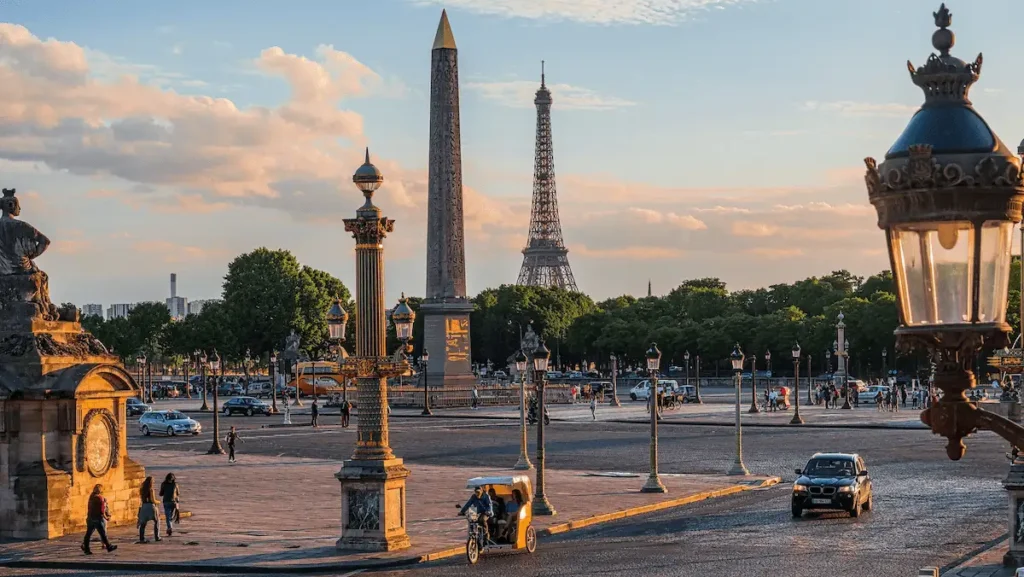
Best historic hotels in France aren’t about finding the newest build—they’re about identifying the rare conversions where the building’s past life elevates your stay beyond standard five-star service.
After filtering France’s most architecturally significant properties across eleven cities, we isolated thirty hotels where the structure itself—whether Haussmann palace, Belle Époque landmark, or medieval monastery—justifies the premium rate through verified historic pedigree. These aren’t properties that added “vintage” touches during renovations; they’re former banks, royal annexes, and religious sanctuaries that retain original vaults, frescoed ceilings, and marble staircases that telegraph centuries of power and taste.
Below are the French historic stays that make sense if you value architectural soul over brand recognition, cultural immersion over generic luxury, and accommodations where the building’s biography becomes part of your experience—not just a marketing footnote.
France’s Historic Hotel Hierarchy: What Defines a Landmark Stay
France’s luxury hotel landscape operates on architectural lineage—not just star ratings. The country’s “Palace” distinction, awarded by Atout France to only 31 properties nationwide, signals more than exceptional service; it denotes buildings with verified historical significance and original architectural elements that remain intact.
From Haussmann-era conversions in Paris to Belle Époque masterpieces along the Côte d’Azur, these properties share three non-negotiables: original facades protected by heritage laws, interiors that retain period detailing (vaulted ceilings, marble staircases, frescoed salons), and a documented past life that predates their current hotel function—whether as aristocratic residences, religious institutions, or administrative headquarters.
This curation prioritizes buildings where the structure’s biography enhances your stay, not just the thread count.
France’s Historic Hotels by Region
🗼 The Royal Guard: Paris & Versailles
Paris and Versailles anchor France’s palace hotel identity—properties where Haussmann facades, royal commissions, and Belle Époque craftsmanship remain protected under strict heritage codes. These aren’t hotels with “classic” decor; they’re former aristocratic residences and royal annexes where original moldings, marble fireplaces, and Louis XVI furniture establish a baseline of authenticity that newer builds can’t replicate. The distinction here isn’t luxury—it’s provenance.
Top Paris Historic Hotels:
Hôtel de Crillon (former 18th-century mansion commissioned by Louis XV), Hôtel Le Meurice (1835 Belle Époque landmark), and Hôtel Plaza Athénée (1913 Montaigne Avenue palace).
Each property retains period salons, original facades, and interiors protected by French heritage law—ensuring your stay inhabits verified historical architecture, not themed reproductions.
- For full positioning and booking intel, see the complete Paris Historic Hotels breakdown.
Top Versailles Historic Hotels:
Waldorf Astoria Versailles – Trianon Palace (1910 royal pavilion conversion), Hôtel Les Lumières (Relais & Châteaux estate), and Le Louis Hotel Versailles Château (MGallery restoration).
These aren’t suburban accommodations—they’re period structures built to serve Versailles’ aristocratic ecosystem, where gardens, original facades, and proximity to palace grounds remain intact.
- The Versailles collection is detailed in the City Historic Hotels Audit.
⚜️ The Ecclesiastical Conversions: Lyon, Avignon, Nice
France’s monastery and convent transformations represent the country’s most atmospheric heritage category—properties where vaulted chapels, cloistered courtyards, and Renaissance frescoes survived conversion into luxury accommodations. These buildings weren’t repurposed for hotels until the late 20th century, meaning their religious architecture remains largely untouched—offering travelers access to ecclesiastical spaces that would otherwise be closed to the public.
Top Lyon Historic Hotels:
InterContinental Lyon – Hôtel-Dieu (17th-century hospital with original chapel), Cour des Loges (four Renaissance buildings around a traboule courtyard), and Villa Florentine (former Florentine convent with terraced gardens).
The Hôtel-Dieu conversion is particularly significant—retaining Soufflot’s 1761 design with vaulted patient wards now serving as salons.
- Full property breakdowns are in the Lyon Historic Guide.
Top Avignon Historic Hotels:
La Mirande (14th-century cardinal’s palace), Hôtel d’Europe (1580 aristocratic mansion), and Hôtel Cloître Saint-Louis (Jesuit seminary with original cloister).
These aren’t boutique hotels with “monastic vibes”—they’re verified religious structures where stone corridors, vaulted refectories, and chapel spaces remain operational. The Avignon collection is explored in depth.
- The Avignon collection is explored in Historic Hotels Guide.
Top Nice Historic Hotels:
Hôtel du Couvent (Franciscan monastery conversion), Hôtel Le Negresco (1913 Belle Époque palace), and Anantara Plaza Nice (19th-century Riviera landmark).
The Couvent retains original chapel frescoes and cloistered gardens—rare on the Côte d’Azur where most “historic” hotels are early 20th-century builds, not medieval conversions.
- For Nice’s heritage positioning, see the full City Breakdown.
🏦 The Financial District Conversions: Bordeaux, Marseille, Strasbourg
France’s former bank and administrative headquarters represent the country’s most dramatic structural transformations—where vaulted cash rooms, marble banking halls, and neoclassical facades now serve as hotel lobbies, spas, and dining salons. These conversions retain the gravitas of their original function, offering interiors that signal institutional power rather than residential elegance.
Top Bordeaux Historic Hotels:
InterContinental Bordeaux – Le Grand Hôtel (1776 palace commissioned by Louis XVI, later serving as city hall), Hôtel La Zoologie & Spa (former zoological society headquarters), and Le Palais Gallien Hôtel & Spa (19th-century townhouse near Roman ruins).
The Grand Hôtel’s original function as both royal palace and administrative center gives it a dual heritage identity—rare among French properties.
- Full details in the Bordeaux Historic Collection.
Top Marseille Historic Hotels:
InterContinental Marseille – Hôtel-Dieu (18th-century hospital overlooking the Vieux-Port), Hôtel C2 (former mansion with preserved art collection), and Grand Hôtel Beauvau (1816 neoclassical landmark).
The Hôtel-Dieu shares Lyon’s pedigree—both designed by Soufflot—with domed ceilings and portico facades that remain protected landmarks.
- Discover the complete Marseille Hotels Guide.
Top Strasbourg Historic Hotels:
Cour du Corbeau (14th-century timber-frame inn), and Hôtel Les Haras (former royal stud farm).
The Cour du Corbeau is among France’s oldest continuously operating inns, retaining exposed beams and half-timber facades under UNESCO protection.
- The Strasbourg collection is detailed in Historic Guide.
🌊 The Riviera Palaces: Cannes
Cannes’ Belle Époque palace hotels represent the Côte d’Azur’s architectural golden age—properties commissioned between 1860 and 1930 as aristocratic winter residences before transitioning into grand hotels. These aren’t beach resorts; they’re period structures with protected facades, original ballrooms, and Croisette positioning that’s remained unchanged for over a century.
Top Cannes Historic Hotels:
Carlton Cannes (1911 palace with twin cupolas), Hôtel Martinez (1929 Art Deco landmark), and Hôtel Barrière Le Majestic (1926 white palace).
Each property retains its original exterior architecture under heritage protection, ensuring your stay inhabits the same silhouette that defined early 20th-century French Riviera luxury. The Carlton’s twin domes—supposedly modeled after a courtesan’s breasts—remain Cannes’ most recognizable architectural feature.
- For full Belle Époque context, see the Cannes Heritage Guide.
🍾 The Champagne Conversions: Reims
Reims’ heritage hotels occupy former military barracks, aristocratic estates, and Champagne House headquarters—properties where the city’s dual identity as coronation site and sparkling wine capital shaped building function and architectural style. These conversions retain vaulted cellars, parade grounds, and neoclassical facades that reference both royal and viticultural heritage.
Top Reims Historic Hotels:
La Caserne Chanzy (19th-century military barracks with original parade courtyard), Château de Sacy (aristocratic estate surrounded by vineyards), and Grand Hôtel Des Templiers (former Templar commandery).
La Caserne Chanzy is the standout—retaining military architecture rarely converted into luxury accommodations, with barracks wings now serving as guest suites around a central courtyard.
- The Reims collection is explored fully in our Landmark Hotels Guide.
🏘️ The Alsatian Guild Houses: Colmar
Colmar’s heritage hotels occupy former guild headquarters, merchant residences, and timber-frame structures dating to the medieval period—buildings protected under UNESCO guidelines that prevent facade alterations. These properties represent France’s most intact medieval townscape, where architectural details (carved lintels, half-timber construction, Gothic windows) remain visible and operational.
Top Colmar Historic Hotels:
Relais & Châteaux La Maison Des Têtes (1609 Renaissance mansion covered in carved heads), Hôtel Restaurant Le Maréchal (canal-side merchant house), and Hôtel Saint-Martin (15th-century guild headquarters). La Maison Des Têtes is the architectural standout—its facade sculpture and wine cellar vaults representing Alsatian Renaissance craftsmanship at its peak.
- The Colmar historic breakdown is available in the Hotels Guide.
The French Château Collection: Living the Royal Legacy
📊 Regional Comparison: Historic Hotels in France
| Region | Architectural Archetype | Period | Original Function | Signature Detail | Best For |
|---|---|---|---|---|---|
| Paris & Versailles | Haussmann Palace, Royal Commission |
18th–19th Century |
Aristocratic Residences |
Louis XVI furniture, protected facades |
Palace hotel authenticity |
|
Lyon,
Avignon, Nice |
Monastery, Convent, Hospital |
14th–17th Century |
Religious Institutions |
Cloistered courtyards, vaulted chapels |
Ecclesiastical atmosphere |
|
Bordeaux, Marseille, Strasbourg |
Bank HQ, Administrative Palace |
18th–19th Century |
Financial, Civic Centers |
Marble banking halls, neoclassical facades |
Institutional gravitas |
| Cannes | Belle Époque Palace |
1860–1930 | Aristocratic Winter Residence |
Original ballrooms, Croisette frontage |
Riviera golden age |
| Reims | Military Barracks, Château |
19th Century | Army HQ, Viticultural Estate |
Parade courtyards, vaulted cellars |
Champagne region heritage |
| Colmar | Guild House, Merchant Residence |
15th–17th Century |
Trade Headquarters |
Half-timber facades, carved lintels |
Medieval townscape |
❓ FAQ: Best Historic Hotels in France
Which French heritage hotel has the most historic significance?
InterContinental Lyon – Hôtel-Dieu stands out, originally serving as a working hospital from 1184 until 2010—one of Europe’s longest-operating medical institutions. The current structure, designed by Soufflot in 1761, retains the original domed chapel and vaulted patient wards, now converted into public salons. For travelers prioritizing verified architectural lineage over Belle Époque glamour, this property offers the deepest historical continuity.
Do French historic hotels charge more than standard five-star properties?
Rates at verified historic conversions—particularly those with “Palace” distinction—typically run 20–40% above comparable luxury properties without landmark status. The premium reflects protected architecture, prime positioning in historic quarters, and operational costs tied to maintaining period facades and interiors under French heritage law. Properties like Hôtel de Crillon and La Mirande command these rates because the building itself is the differentiator, not just the service level.
What’s the difference between a “Palace” hotel and a five-star property in France?
The “Palace” distinction, awarded by Atout France, goes beyond five-star service—it requires verified historical architecture, original period elements (facades, staircases, salons), and cultural significance that predates the building’s hotel function. Only 31 French properties hold this designation, ensuring guests inhabit structures with documented heritage value, not just luxury branding.
Which French city offers the best monastery hotel conversions?
Lyon and Avignon dominate ecclesiastical conversions. Lyon’s Hôtel-Dieu and Cour des Loges retain hospital and Renaissance traboule architecture, while Avignon’s Hôtel Cloître Saint-Louis preserves a complete Jesuit seminary cloister within papal city walls. Both cities offer functional religious architecture that remains operational as hotels—unlike coastal properties where “monastery” often means thematic decor rather than structural conversion.
Are Cannes’ Belle Époque palaces protected landmarks?
Yes—Carlton Cannes, Hôtel Martinez, and Hôtel Barrière Le Majestic all hold protected facade status under French heritage codes, preventing exterior alterations to their original 1911–1929 designs. This means their Croisette silhouettes and architectural details remain as they were during the Riviera’s golden age, unlike newer builds that mimic the style without structural authenticity.
Which French historic hotel is best for wine country access?
Château de Sacy in Reims offers direct vineyard positioning within Champagne country—a working estate surrounded by Pinot Noir vines with on-site cellars that predate its hotel conversion. Unlike urban properties in Bordeaux or Lyon, this château provides both historic architecture and immediate viticultural immersion without transfers.
Do historic hotels in France require advance booking?
Properties with fewer than 50 rooms—particularly monastery conversions like La Mirande (26 rooms) and guild houses like La Maison Des Têtes (21 rooms)—book out 3–6 months ahead for peak season (May–September). Larger palace hotels in Paris and Cannes offer more availability but still warrant early reservations for specific room categories, especially those retaining original period detailing.
Final Verdict: Historic Hotel Landscape in France
Selecting a historic hotel in France isn’t about finding a property with “character”—it’s about choosing a building whose documented past life adds architectural substance to your stay.
The thirty properties above represent the country’s most refined conversions, where original functions (palace, monastery, bank headquarters) remain legible through protected facades, vaulted interiors, and period detailing that survived transformation into luxury accommodations. Availability at properties with fewer than 40 rooms shifts quickly once spring bookings open.
For broader European context, compare French palace-focused identity against ecclesiastical conversions in Italian historic collection or royal annexes across the United Kingdom’s landmark hotels. Each country’s historic hotel landscape reflects distinct architectural priorities—France’s emphasis on Haussmann grandeur and Belle Époque craftsmanship positions it as the continent’s palace hotel archetype, while neighboring markets lead in monastic and industrial conversions that offer different atmospheric payoffs.
For more curated itineraries and luxury-focused travel insights, visit Your Luxury Guide. For official travel information and destination updates, visit France tourism-info.
Book your French historic stay early to secure properties where sleeping in history means inhabiting verified landmark architecture—not just themed luxury wrapped in generic five-star service.
Your Luxury Guide — Where Exceptional Travel Begins.