Your Luxury Guide

"Founder of ExploreSlovenija — sharing budget stays, hidden gems, hikes, and authentic experiences for backpackers, digital nomads, and travelers. Passionate about nature and community travel in Slovenia."

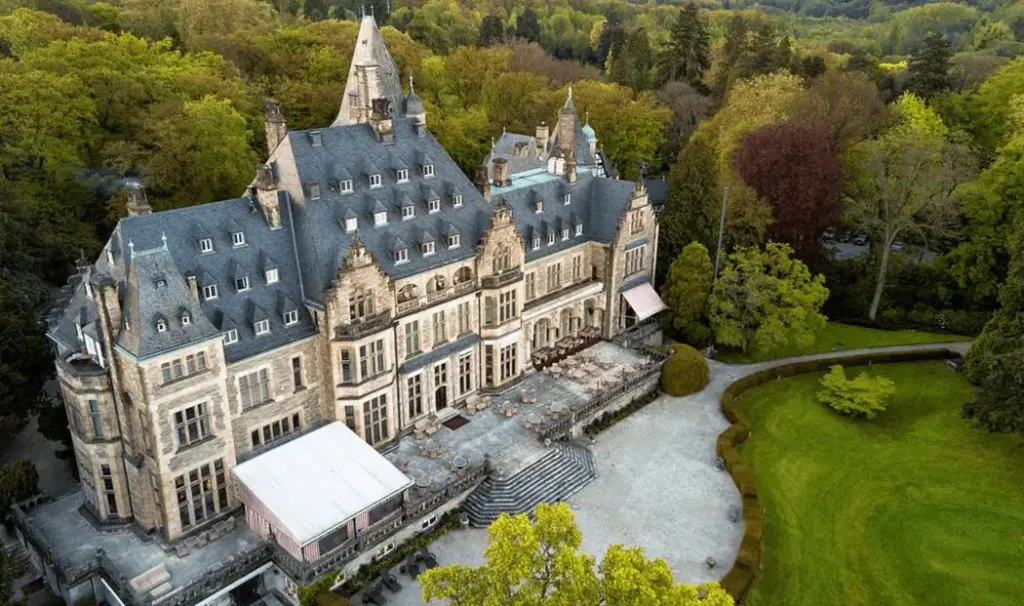
The grand Tudor-style facade of Schlosshotel Kronberg, showcasing intricate half-timbering, ornate gables, and red-tiled roofing, originally built as a royal residence for Empress Victoria.

Schlosshotel Kronberg: The Empress’s Command Post in the Taunus Hills

Schlosshotel Kronberg operates within the documented 1889 fortress commissioned by Empress Victoria of Germany. The property functions as a preserved seat of imperial authority where British-German dynastic power was administered for three generations. Original Gobelin tapestries, hand-carved mahogany stairwells, and the Empress’s private chapel remain operational. This is the actual residence where Europe’s ruling elite […]

Schlosshotel Kronberg: The Empress’s Command Post in the Taunus Hills Read More »
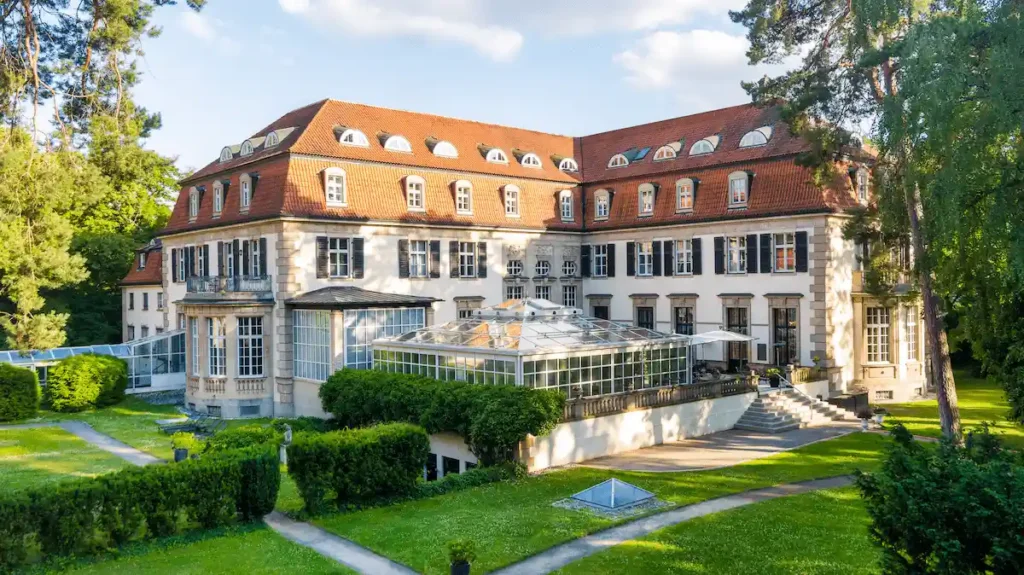
The garden-side view of Schlosshotel Berlin, showcasing the Neo-Renaissance architecture, a large glass-enclosed conservatory, and manicured lawns surrounded by the private greenery of the Grunewald forest.

Schlosshotel Berlin: The Kaiser’s Private Residence in Grunewald

Schlosshotel Berlin occupies the 1914 palace built for Kaiser Wilhelm II’s attorney general, preserving the imperial-era power architecture that defined Germany’s final monarchy. Beyond its limestone facade, the estate’s original Jugendstil interiors and private woodland park function as a high-density archive of Prussian social hierarchy. By integrating Michelin-starred gastronomy into these preserved state rooms, the

Schlosshotel Berlin: The Kaiser’s Private Residence in Grunewald Read More »

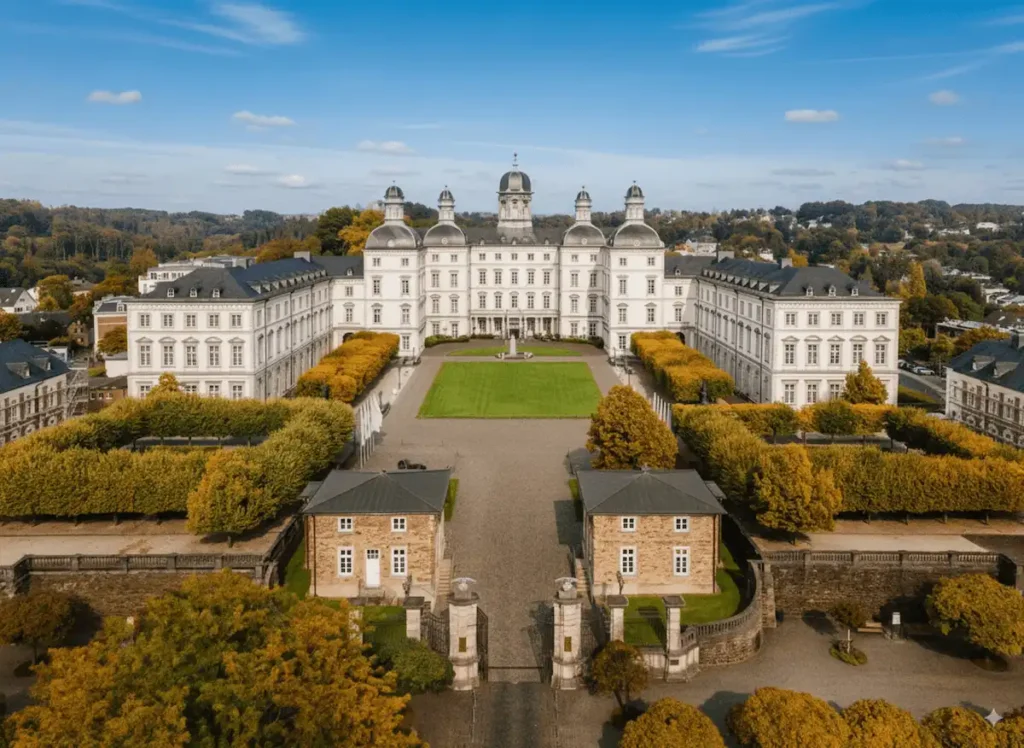
An expansive aerial view of the Baroque Althoff Grandhotel Schloss Bensberg, showcasing its symmetrical three-wing layout, grand courtyard, and formal landscaping overlooking the Bergisches Land.

Schloss Bensberg: The Elector’s Baroque Command Post Above the Rhineland

Grandhotel Schloss Bensberg rises from the Bergisch Gladbach highlands as the 1711 hunting command of Johann Wilhelm II, Elector Palatine—a territorial sovereign whose 120-room baroque fortress surveyed the Rhine’s commercial arteries from its hilltop throne. The palace’s symmetrical wings, hewn from regional sandstone, enforced architectural dominance across a landscape where competing powers monitored river trade

Schloss Bensberg: The Elector’s Baroque Command Post Above the Rhineland Read More »

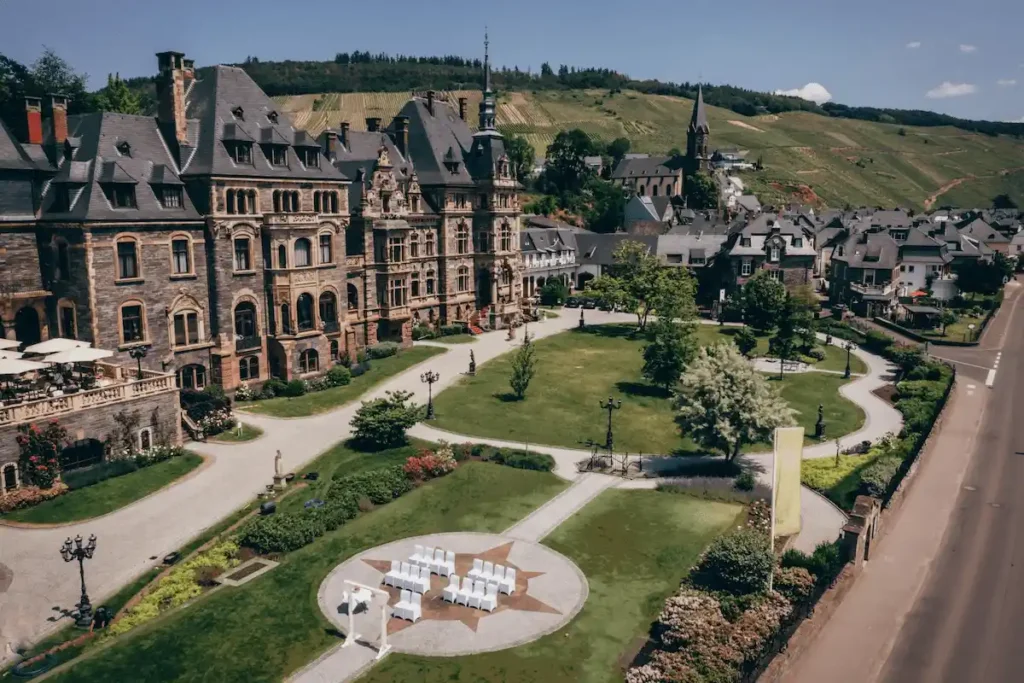
An elevated view of the grand Neo-Renaissance facade of Schloss Lieser along the Mosel River, featuring ornate stone carvings, slate-roofed spires, and a circular courtyard set against terraced vineyards.

Schloss Lieser: The Mosel Valley’s Fortified Renaissance Command Post

Schloss Lieser stands as a verified Renaissance fortress on the Mosel River, documented since 1560 as the territorial seat of the von Schorlemer family—a lineage that controlled regional viticulture and river commerce for four centuries. The castle’s strategic elevation commanded both trade routes and vineyard estates, enforcing territorial authority through physical dominance and economic control.

Schloss Lieser: The Mosel Valley’s Fortified Renaissance Command Post Read More »

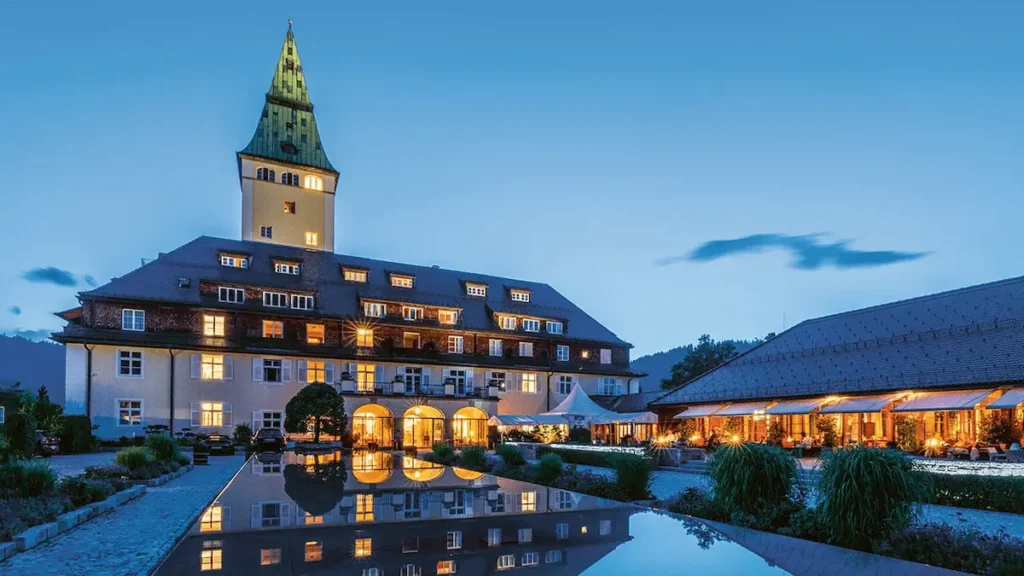
The illuminated facade of Schloss Elmau at dusk, featuring its iconic green-roofed clock tower and modern reflective pool set against the silhouette of the Bavarian Alps.

Schloss Elmau: Where Philosophy Meets Power in Bavaria’s Summit Castle

Schloss Elmau stands alone among Bavaria’s alpine estates—not merely as a luxury retreat, but as the verified seat of global authority. Twice selected to host G7 Summits (2015, 2022), this 1916 philosophy castle in the Wetterstein Mountains operates as the only European mountain resort trusted with summit-grade security and discretion. Built as Johannes Müller’s sanctuary

Schloss Elmau: Where Philosophy Meets Power in Bavaria’s Summit Castle Read More »

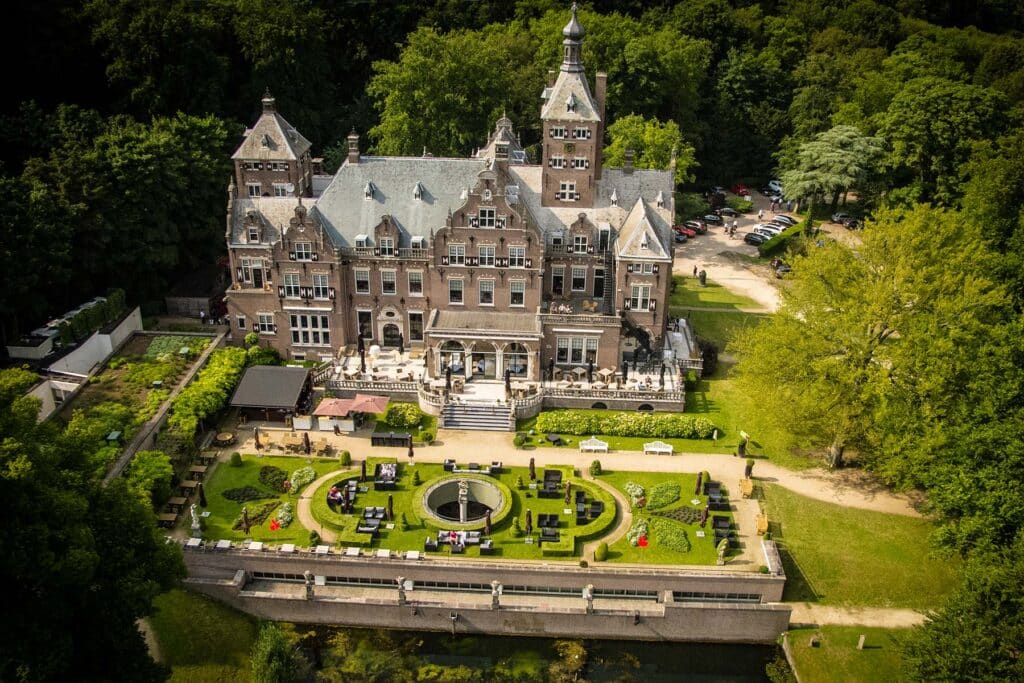
The symmetrical red-brick and stone Classical Revival facade of Landgoed Duin & Kruidberg, featuring grand arched windows and a central portico set within the Dutch National Park dunes.

Landgoed Duin & Kruidberg: Aristocratic Estate Authority in Santpoort

Landgoed Duin & Kruidberg stands as a documented seat of Dutch territorial command, built in 1813 as a private hunting estate where Amsterdam’s banking elite withdrew from urban commerce into absolute natural sovereignty. The original manor house functioned as the administrative center of a 52-hectare private reserve, where thick dune forests and landscaped gardens enforced

Landgoed Duin & Kruidberg: Aristocratic Estate Authority in Santpoort Read More »

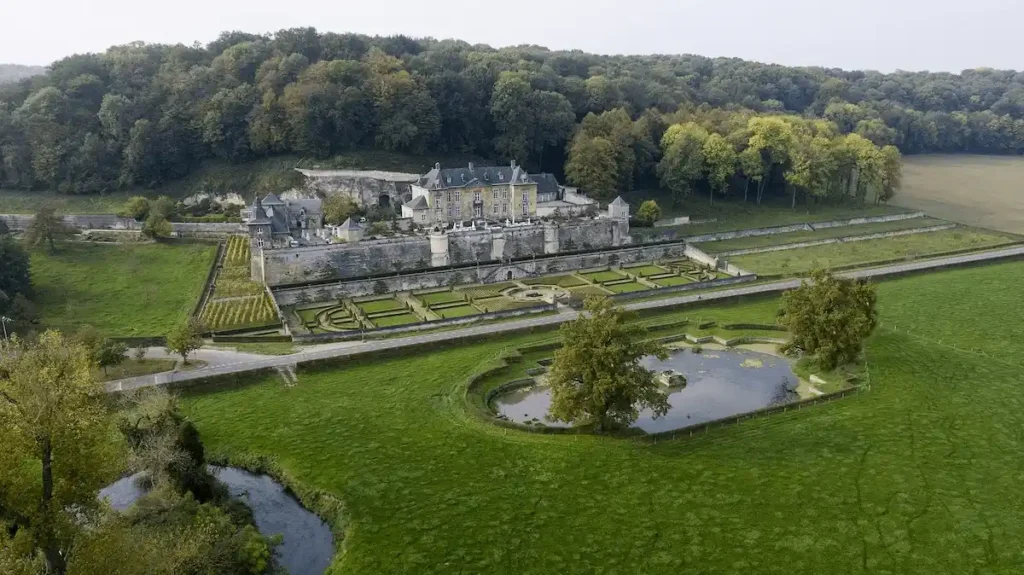
An elevated aerial view of Château Neercanne in Maastricht, showcasing its tiered yellow marlstone architecture, symmetrical Baroque gardens, and territorial position overlooking the Jeker Valley.

Château Neercanne: Where 17th-Century Military Command Meets Michelin Prestige

This is not a country manor adapted for tourism. Château Neercanne is the Netherlands’ only true castle hotel—a 1698 fortress built on the strategic high ground of Mount Saint Peter, where Maastricht Stone vaults stored the spoils of territorial dominance and baroque halls enforced social hierarchy. Today’s guest inherits that command: the same defensive position

Château Neercanne: Where 17th-Century Military Command Meets Michelin Prestige Read More »

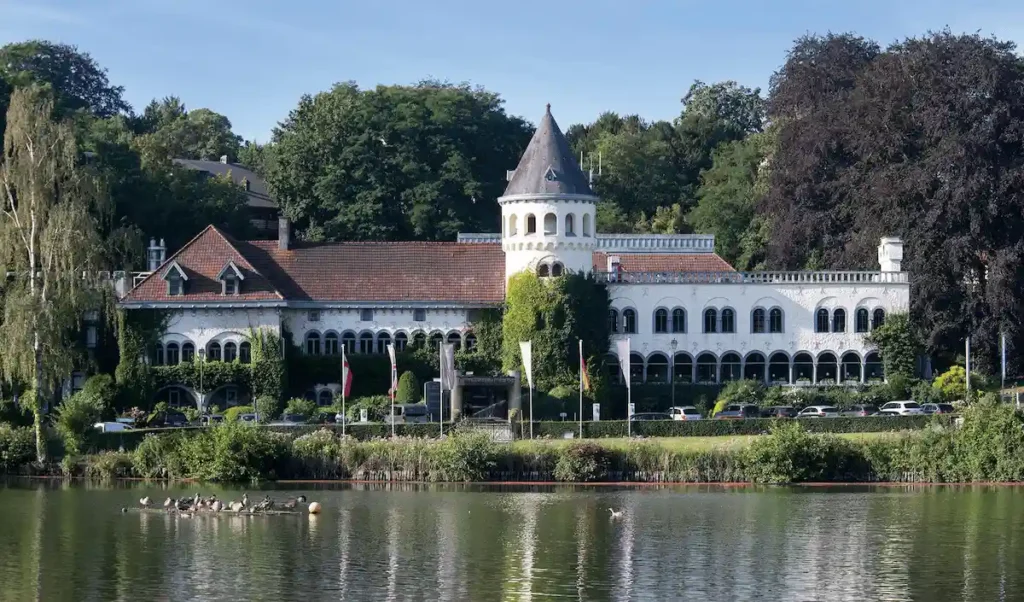
The white-walled facade of Martin's Château du Lac in Genval, featuring a central ivy-clad turret, red-tiled roofing, and arched windows overlooking the tranquil lake and surrounding greenery.

Martin’s Château Du Lac – Where Belgian Royalty Commanded the Lake

Martin’s Château Du Lac occupies the 1905 estate of Count Charles-Alexis de Hemricourt de Grunne, First Equerry to King Leopold II. This wasn’t a ceremonial appointment—it positioned the Count as the sovereign’s personal military commander and trusted confidant. The property was engineered as a lakeside seat of command, where the Count conducted royal business away

Martin’s Château Du Lac – Where Belgian Royalty Commanded the Lake Read More »

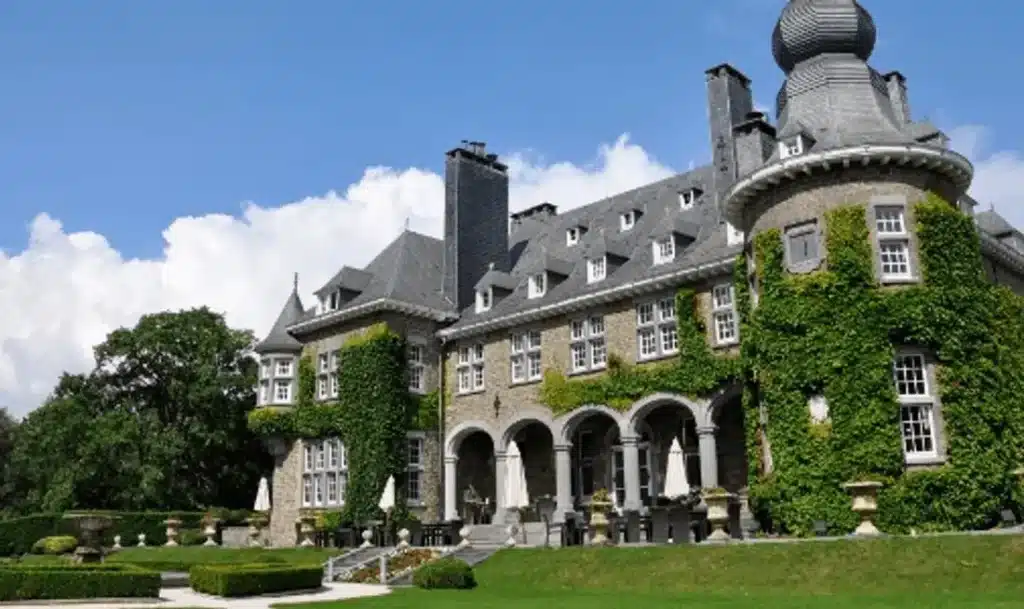
The stone facade of Manoir de Lébioles in the Belgian Ardennes, featuring ivy-covered turrets, a slate roof with dormer windows, and a formal stone terrace overlooking manicured gardens.

Manoir de Lébioles: Belgian Royal Hunting Estate Hotel in the Ardennes

Manoir de Lébioles commands 1904 royal hunting grounds where Belgium’s King Leopold II exercised territorial sovereignty. This estate transformed sovereign wilderness into a luxury manor, where guests now inhabit the private domain that once served absolute monarchy. The property translates 25 hectares of enclosed forest into a contemporary seat of territorial exclusivity, where best castle

Manoir de Lébioles: Belgian Royal Hunting Estate Hotel in the Ardennes Read More »

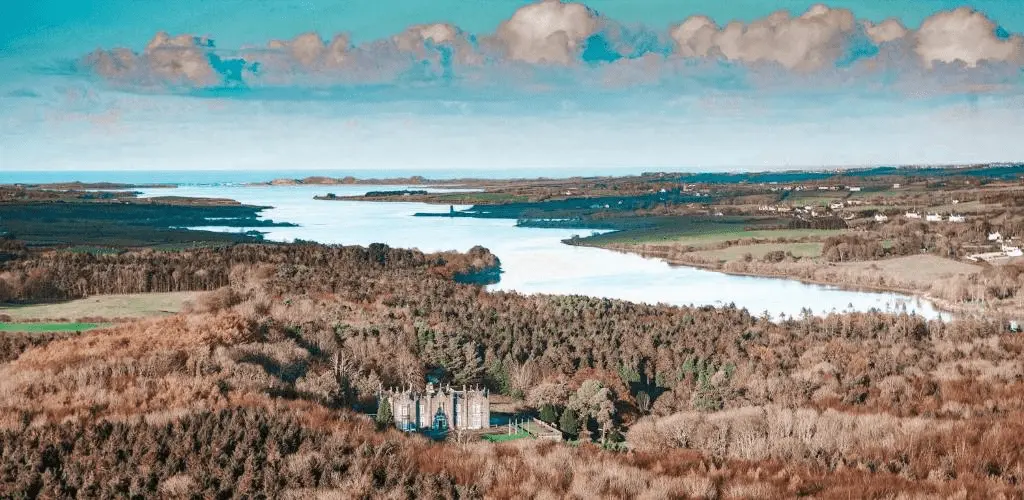
An expansive aerial view of Belleek Castle nestled within dense forestry along the banks of the River Moy estuary, illustrating the property's isolated territorial command in County Mayo.

Belleek Castle County Mayo: Where Victorian Baronial Authority Commands the Moy

Built in 1831 as the private seat of Sir Arthur Edward Knox, Belleek Castle represents the territorial command of Victorian Ireland’s landed gentry. The Gothic Revival fortress, positioned on the River Moy’s strategic banks, functioned as the administrative center for one of County Mayo’s most influential estates. Today, the four-star property preserves the baronial architecture

Belleek Castle County Mayo: Where Victorian Baronial Authority Commands the Moy Read More »